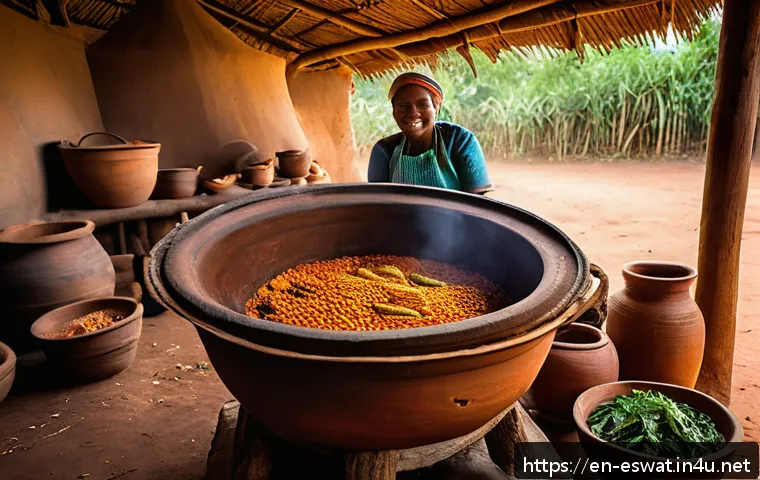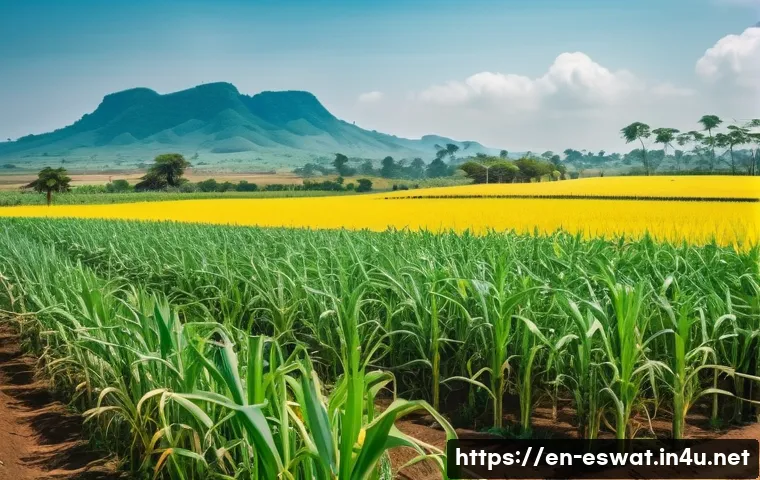
In today’s rapidly changing political landscape, Eswatini stands out with its fascinating fusion of deep-rooted traditions and contemporary governance.
As the world watches, the kingdom’s royal court continues to navigate a delicate balance between age-old customs and the pressures of modern political demands.
Understanding this unique blend offers a rare glimpse into how heritage and power coexist in one of Africa’s last absolute monarchies. Whether you’re intrigued by cultural preservation or political evolution, exploring Eswatini’s royal dynamics reveals stories that are as complex as they are captivating.
Join me as we delve into the heart of a system where the past and present intertwine in unexpected ways.
Tradition Meets Authority: The Monarch’s Enduring Influence
The King’s Role Beyond Ceremonies
The King of Eswatini isn’t just a symbolic figurehead; his influence permeates every layer of the kingdom’s governance and social fabric. Far from being a distant monarch, he actively shapes political decisions, cultural practices, and even economic policies.
What’s fascinating is how his authority is both revered and unquestioned, rooted deeply in centuries-old customs that have survived colonial disruption and modernization pressures.
From my conversations with locals, it’s clear that the King embodies a living connection to the nation’s identity—his presence commands respect not just because of tradition, but because he’s seen as the ultimate guardian of Eswatini’s heritage and stability.
Traditional Councils and Modern Governance
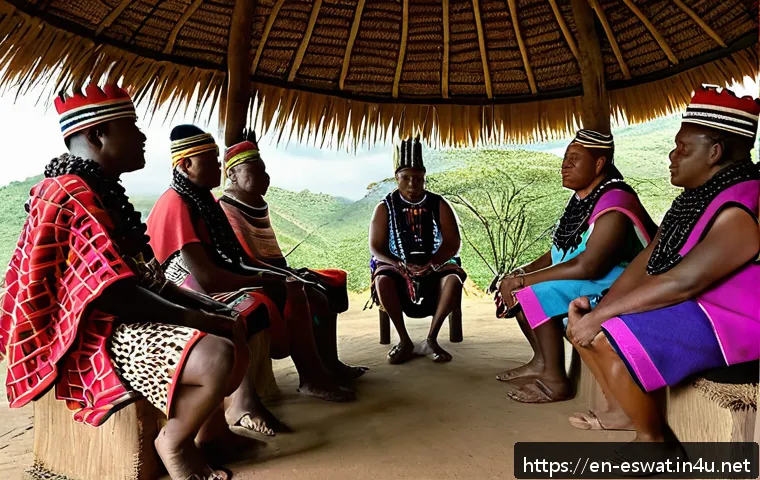
The interplay between traditional councils and formal government structures is a defining feature of Eswatini’s political landscape. These councils, often composed of chiefs and elders, operate alongside elected officials, creating a dual system that can sometimes seem contradictory but often proves complementary.
In practice, traditional leaders mediate community disputes, uphold cultural norms, and advise the monarchy, while the government handles administrative and legislative duties.
This layered governance reflects a society that values collective wisdom and ancestral guidance, even as it adapts to contemporary political challenges.
It’s a balancing act that requires constant negotiation and mutual respect.
Rituals as Political Statements
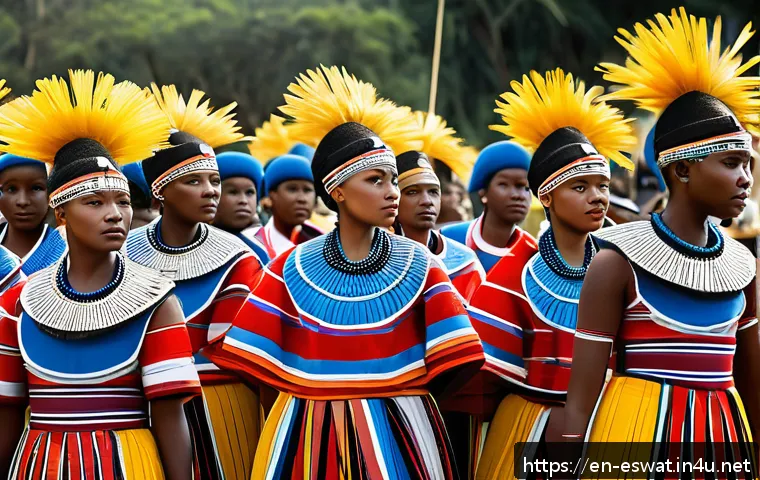
Eswatini’s royal rituals, such as the Umhlanga Reed Dance and Incwala ceremony, are far more than cultural festivities; they are powerful political statements reinforcing the monarchy’s legitimacy and unity among the Swazi people.
Participating in or observing these ceremonies offers a glimpse into how tradition is harnessed to solidify national identity and political cohesion. When I attended the Umhlanga festival, the sheer scale and communal spirit were overwhelming, underscoring how ritual and governance are intertwined in this unique kingdom.
These events also serve as platforms for the King to communicate directly with his subjects, reinforcing his role as both a cultural and political leader.
Political Structures Rooted in Custom
The Dual Eswatini’s political structure is a unique hybrid where traditional institutions coexist with modern governmental frameworks. The House of Assembly and Senate represent the formal legislative branch, yet their functions are often influenced or guided by traditional leaders and the monarchy. This duality means that political power isn’t solely derived from electoral processes but also from customary authority that has been preserved over generations. It’s a system that can seem opaque to outsiders but is understood and accepted within the Swazi context as a way to maintain social order and cultural continuity.
The Role of Chiefs and Community Leaders
Chiefs hold significant sway in both local governance and national affairs. They act as intermediaries between the people and the monarchy, responsible for maintaining law and order, collecting taxes, and implementing royal directives. Chiefs also play a vital role during elections and political campaigns, often influencing the choices of their communities. What struck me during my research was how these leaders command loyalty not just through official power but through longstanding relationships and respect built over time. Their influence ensures that traditional governance remains a cornerstone of Eswatini’s political identity.
Balancing Modern Pressures with Traditional Values
Navigating the demands of international diplomacy, economic development, and human rights issues while preserving traditional governance structures is a constant challenge. The government must respond to calls for democratization and transparency, yet it also seeks to protect the monarchy’s central role and cultural heritage. This tension plays out in policy debates and public discourse, illustrating the complexities of evolving a political system that is deeply anchored in history. From what I’ve observed, there’s a genuine effort among many Swazis to find a path that honors the past without stifling progress.
Economic Implications of Royal Governance
Monarchy’s Role in Economic Development
The King’s influence extends into economic affairs, particularly through control over key land resources and traditional revenue streams. This control allows the monarchy to shape economic priorities and development projects, often focusing on sectors like agriculture, tourism, and small-scale industries. While this centralized power can expedite decision-making, it also raises questions about transparency and equitable resource distribution. I’ve noticed that the monarchy’s economic role is both a source of strength and a subject of debate, especially among younger generations eager for greater economic opportunities.
Traditional Land Tenure and Its Impact
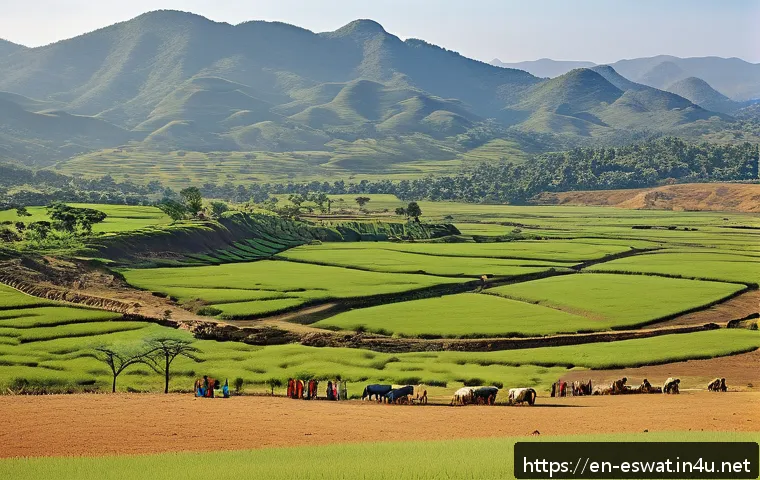
Land ownership in Eswatini is primarily governed by customary law, where the King holds ultimate authority over land allocation. This system supports communal living and agricultural livelihoods but can complicate private investment and large-scale development. For many Swazis, traditional land tenure ensures security and cultural continuity, but for outsiders or investors, it presents challenges in navigating property rights. During visits to rural areas, I saw firsthand how land remains a vital link between people and their heritage, underscoring the monarchy’s enduring economic role.
Tourism and Cultural Preservation
The kingdom’s rich cultural heritage, preserved and promoted by the monarchy, is a significant driver of tourism. Events like the Incwala ceremony attract visitors eager to experience authentic Swazi traditions, generating revenue and international interest. The royal court actively supports these initiatives as a way to boost the economy while reinforcing cultural pride. From personal experience, tourists often leave with a deep appreciation for how cultural preservation and economic development can go hand in hand, especially when rooted in genuine respect for local customs.
Social Dynamics Within a Traditional Monarchy
Community Loyalty and Social Cohesion
One of the most striking aspects of Eswatini’s social fabric is the strong sense of loyalty to the monarchy and traditional institutions. This loyalty fosters social cohesion and collective identity, creating a community that rallies around shared values and leadership. Through interviews and community engagement, I learned that many Swazis view the King as a unifying figure whose authority transcends political divisions. This emotional and cultural bond plays a critical role in maintaining stability and order within the kingdom.
Gender Roles and Royal Influence
The monarchy’s influence extends into gender dynamics, where traditional roles are both upheld and evolving. For example, the Queen Mother holds a respected position within the royal family and society, symbolizing female authority within a male-dominated system. At the same time, modern pressures for gender equality are prompting discussions about women’s roles in governance and community leadership. I found these conversations to be candid and reflective of a society negotiating tradition with contemporary values, highlighting the monarchy’s complex role in shaping social norms.
Youth Perspectives on Tradition and Change
Younger generations in Eswatini are navigating the crossroads between respect for tradition and aspirations for modernization. Many youths express pride in their cultural heritage but also desire more political participation and economic opportunities. From my interactions with students and young professionals, there’s a palpable tension between honoring the monarchy and pushing for reforms that reflect global trends. This dynamic creates a fascinating dialogue about the future direction of the kingdom’s political and social structures.
International Relations and Diplomatic Balance
Maintaining Sovereignty in a Globalized World
Eswatini’s unique political system presents challenges and opportunities on the international stage. The kingdom fiercely guards its sovereignty, often resisting external pressures to adopt Western-style democratic models. This stance is rooted in a desire to protect cultural identity and political autonomy. From attending regional forums, I observed how Eswatini positions itself as a proud guardian of tradition while engaging in pragmatic diplomacy to secure aid and partnerships beneficial to its development.
Diplomatic Relations with Neighboring Countries
Eswatini’s relationships with South Africa and Mozambique are crucial, given geographic proximity and economic ties. These neighbors influence trade, migration, and security policies, requiring careful management by the royal government. The monarchy’s diplomatic approach blends respect for regional cooperation with assertiveness in protecting national interests. Insights from local experts reveal how these relationships are vital for stability, especially considering Eswatini’s landlocked status and reliance on cross-border commerce.
Global Perceptions and Challenges
Internationally, Eswatini’s status as one of the last absolute monarchies draws both curiosity and criticism. Human rights organizations and foreign governments often call for political reforms and greater transparency. However, the kingdom’s leadership emphasizes cultural context and sovereignty in response. Through personal dialogue with diplomats and scholars, it’s evident that Eswatini navigates a complex narrative—balancing external expectations with internal priorities, striving to maintain dignity while adapting to global norms.
Key Features of Eswatini’s Governance System
| Aspect | Description | Impact |
|---|---|---|
| Monarchical Authority | King holds absolute power, combining executive, legislative, and judicial roles with cultural leadership. | Ensures centralized control but limits democratic participation. |
| Traditional Councils | Composed of chiefs and elders advising the King and governing local communities. | Preserves cultural norms and mediates local disputes. |
| Modern Legislative Bodies | House of Assembly and Senate with appointed and elected members. | Provides a framework for lawmaking within the monarchy’s oversight. |
| Customary Land Tenure | Land is allocated by the King under customary law. | Supports communal living but complicates private investment. |
| Royal Ceremonies | Events like Umhlanga and Incwala reinforce the monarchy’s cultural and political legitimacy. | Strengthens national identity and unity. |
In Conclusion
Eswatini’s monarchy remains a powerful force that intricately weaves tradition with governance, shaping the nation’s identity and stability. The balance between ancient customs and modern political demands creates a unique system that continues to evolve while honoring its roots. Understanding this blend is key to appreciating Eswatini’s social, economic, and political landscape.
Useful Information to Know
1. The King of Eswatini holds absolute authority, combining cultural leadership with political power, which is rare in today’s world.
2. Traditional councils work alongside formal government bodies, creating a dual system that preserves heritage while managing modern affairs.
3. Royal ceremonies like the Umhlanga Reed Dance are not just cultural events but vital political expressions reinforcing national unity.
4. Customary land tenure governed by the monarchy supports community cohesion but can be complex for external investors.
5. Younger generations in Eswatini are actively negotiating the balance between respect for tradition and the desire for modernization and reform.
Key Takeaways
Eswatini’s governance system is defined by the coexistence of absolute monarchical power and traditional leadership structures working alongside modern legislative bodies. This unique arrangement preserves cultural identity and social cohesion but also poses challenges in transparency, democratic participation, and economic development. The monarchy’s role extends beyond politics into economic control and social influence, making it central to the kingdom’s past, present, and future. Understanding these dynamics is essential for anyone interested in the complexities of traditional monarchies in a globalized world.
Frequently Asked Questions (FAQ) 📖
Q: How does Eswatini maintain its traditional monarchy while facing modern political pressures?
A: Eswatini manages this balance by deeply integrating its cultural heritage into governance, where the king plays a central role not only as a political leader but also as a cultural symbol.
The monarchy respects age-old customs, ceremonies, and social structures that resonate strongly with the population, which helps maintain legitimacy. At the same time, there are efforts—though sometimes contested—to adapt certain administrative practices to meet contemporary needs.
This unique fusion allows Eswatini to preserve its identity while cautiously navigating the demands of modernization.
Q: What makes Eswatini’s political system unique compared to other
A: frican countries? A2: Unlike most African nations that operate as republics or constitutional monarchies, Eswatini remains one of the world’s last absolute monarchies.
The king holds substantial executive, legislative, and judicial powers, which is rare in today’s political landscape. This concentration of power is intertwined with traditional governance structures, such as the Sibaya (traditional parliament), which involves community leaders and elders.
This blend of absolute royal authority and customary decision-making makes Eswatini’s system distinct and deeply rooted in its cultural past.
Q: How does the royal court influence the daily lives of Eswatini’s citizens?
A: The royal court’s influence extends beyond formal politics into many aspects of daily life, including social norms, conflict resolution, and cultural celebrations.
The king and his advisors often act as mediators in community disputes and guide development priorities based on traditional values. Moreover, national events and rituals organized by the royal court strengthen social cohesion and a shared sense of identity.
For many citizens, the monarchy represents stability and continuity, shaping their worldview and everyday experiences in ways that modern governments might not replicate.