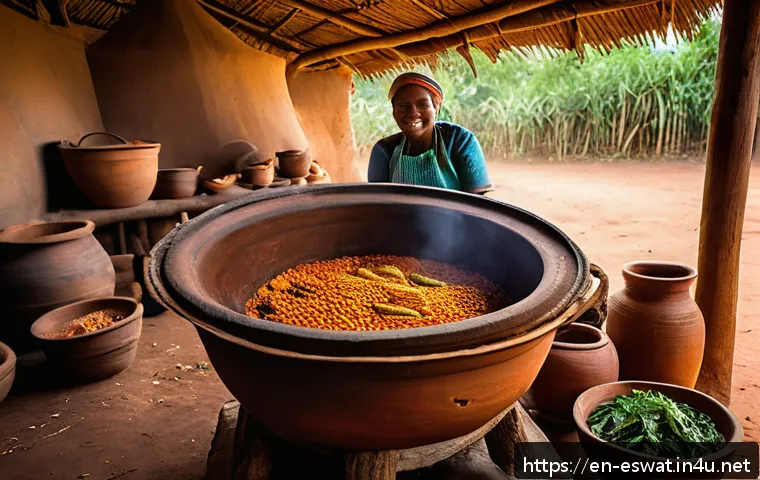
As global travelers seek authentic culinary adventures, Eswatini’s traditional cuisine is capturing attention like never before. This small but vibrant kingdom offers a unique blend of flavors rooted in centuries-old customs, perfect for food lovers eager to explore beyond the usual fare.
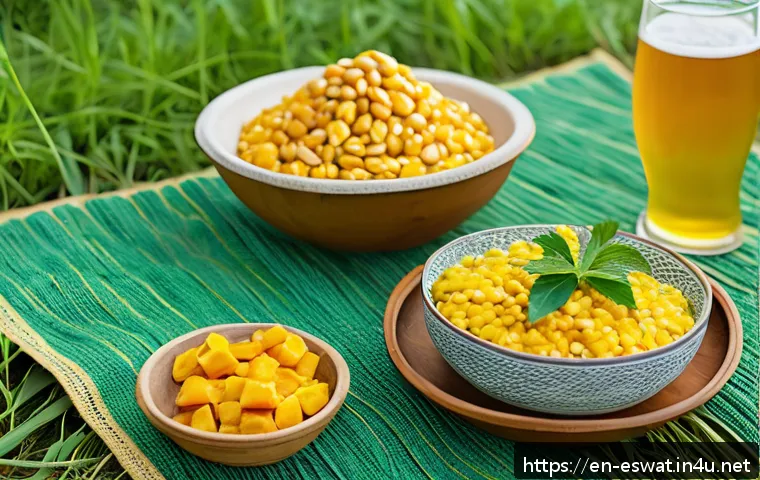
Recently, local chefs have been revitalizing age-old recipes, making Eswatini’s dishes a must-try experience that tells a story with every bite. Whether you’re curious about hearty stews or sweet maize-based treats, the rich tastes of Eswatini invite you to dive deep into its culture.
Join me as we uncover the must-try local dishes that showcase the heart and soul of this fascinating African nation.
Exploring Eswatini’s Signature Flavors
Hearty Stews That Warm the Soul
One of the most comforting aspects of Eswatini’s culinary scene is its rich, slow-cooked stews. These dishes often feature locally sourced meats like beef or goat, simmered with a blend of indigenous spices and fresh vegetables.
What I find fascinating is how these stews are not only a meal but a gathering point for families and friends, cooked over open flames or traditional clay pots.
The depth of flavor comes from hours of patient cooking, allowing the spices to fully infuse the meat and vegetables. If you ever get the chance to try “Sishwala,” a maize porridge served alongside these stews, you’ll understand why it’s a staple that balances the hearty, savory taste with a mild, creamy texture.
Sweet Treats Rooted in Tradition
Eswatini offers more than just savory delights; its desserts tell a story of resourcefulness and celebration. Sweet maize-based treats, like “Umbidvo” (a type of sweet porridge), are often flavored with sugarcane or local honey, creating a natural sweetness that’s both satisfying and nourishing.
These desserts are typically served during festive occasions or communal gatherings, symbolizing abundance and gratitude. When I first tasted these treats, the natural ingredients reminded me of the importance of simplicity and tradition in food, something often lost in modern cuisine.
The Role of Maize in Daily Meals
Maize is undeniably the cornerstone of Eswatini’s diet, appearing in various forms throughout the day. From stiff porridge to soft porridge, its versatility is impressive.
What’s interesting is how this grain connects the past and present, sustaining generations through its adaptability. I’ve noticed that locals often pair maize dishes with leafy greens or beans, creating a balanced and nutritious plate.
This tradition not only reflects the agricultural lifestyle but also the communal spirit, as sharing maize-based meals is an everyday cultural expression.
Traditional Cooking Methods That Preserve Authenticity
Clay Pots and Open Flames
The use of clay pots and open-fire cooking in Eswatini isn’t just about flavor—it’s about preserving a cultural heritage. Cooking in these pots allows for slow, even heat distribution, enhancing the natural taste of ingredients.
I’ve had the opportunity to witness a traditional cooking session where the aroma of simmering stew filled the air for hours, creating anticipation for the meal.
This method also connects cooks to their ancestors, as the technique has been passed down through generations, maintaining authenticity in every dish.
Communal Preparation and Sharing
Food preparation in Eswatini often happens in a communal setting, where multiple family members or neighbors come together. This tradition fosters a strong sense of community and belonging, turning cooking into a social event rather than a chore.
I remember joining a local family during a harvest festival, where everyone had a role—from grinding maize to stirring pots. This experience highlighted how food is intertwined with social bonds, making every meal a celebration of togetherness.
Seasonal Ingredients and Sustainability
Local chefs and home cooks alike rely heavily on seasonal produce, which ensures freshness and sustainability. This seasonal approach means that menus naturally change throughout the year, reflecting what’s available from the land.
From fresh greens in the rainy season to dried meats and preserved fruits during drier months, Eswatini’s cuisine adapts fluidly. I’ve found that this connection to nature not only enhances the flavor but also promotes a mindful way of eating that honors the environment.
Must-Try Dishes and Their Cultural Significance
Umncweba – A Taste of History
Umncweba is a traditional dish made from dried meat, often smoked or sun-dried, then cooked slowly to tender perfection. This dish has deep roots in Eswatini’s past, originally created to preserve meat for long periods.
Tasting Umncweba offers a direct link to the resourceful practices of ancestors who relied on preservation techniques to survive harsh seasons. When I tried it, the smoky richness combined with the chewy texture gave me a vivid sense of Eswatini’s resilience and culinary ingenuity.
Sidvudvu – The Sweet Spinach Delight
Sidvudvu is a unique dish made from pumpkin leaves cooked with groundnuts, creating a creamy, flavorful side that’s both nutritious and comforting. What stands out is how this dish balances sweetness and earthiness, making it a favorite accompaniment to maize porridge.
Eating Sidvudvu felt like discovering a hidden gem; it’s simple but packed with layers of flavor that celebrate local agriculture and traditional cooking.
Tinkhobe – The Corn on the Cob Experience
Tinkhobe, or boiled corn on the cob, is more than just a snack in Eswatini; it’s a nostalgic food that brings back memories of childhood and family gatherings.
Served fresh or roasted, this humble dish connects people to the land and the harvest. I often see locals enjoying tinkhobe during market days or festivals, sharing laughter and stories.
Its straightforward preparation highlights the beauty of uncomplicated food done right.
Pairing Eswatini Dishes with Local Drinks
Traditional Beers and Their Unique Flavors
Eswatini’s traditional beers, often brewed from sorghum or maize, complement the country’s hearty dishes perfectly. These beers carry a slightly sour, earthy taste that balances the richness of stews and the sweetness of desserts.
Drinking a locally brewed beer alongside a meal feels like stepping into the heart of Eswatini’s social rituals. I recall sharing a cold mug with locals after a long day of exploring, which was as refreshing as it was culturally enriching.
Herbal Infusions and Non-Alcoholic Options
For those who prefer non-alcoholic beverages, herbal infusions made from indigenous plants offer a soothing alternative. These drinks are often consumed for their medicinal properties as well as their taste, reflecting the deep knowledge of nature embedded in Eswatini culture.
Personally, sipping on a warm cup of herbal tea after a heavy meal felt cleansing and grounding, a perfect way to end a culinary journey.
Modern Twists on Classic Beverages
You’ll also find creative takes on traditional drinks in urban areas, where young chefs experiment by blending old recipes with contemporary flavors. For instance, infusing sorghum beer with tropical fruits or serving herbal teas chilled with a touch of mint adds a fresh dimension to familiar tastes.
Sampling these modern variations gave me a glimpse into how Eswatini’s food scene is evolving while staying true to its roots.
Essential Ingredients That Define Eswatini’s Culinary Palette
Maize and Its Many Forms
Maize is undeniably the backbone of Eswatini’s kitchen, showing up in everything from porridge to snacks. Its versatility means it can be ground, boiled, or roasted, adapting to various recipes.
I noticed that the quality of maize is often a point of pride, with locally grown grains prized for their flavor and texture. This staple ingredient carries not just nutritional value but also cultural weight, symbolizing sustenance and community.
Groundnuts and Their Nutty Richness
Groundnuts, or peanuts, play a crucial role in adding richness and protein to many dishes. Whether used as a paste in sauces or cooked whole, they bring a creamy, slightly sweet element that enhances even the simplest meals.
I’ve found that dishes with groundnuts tend to feel more satisfying and balanced, making them a favorite in both everyday and celebratory cooking.
Leafy Greens and Wild Herbs
Eswatini’s cuisine heavily incorporates leafy greens like pumpkin leaves, spinach, and wild herbs, which add freshness and nutritional depth. These greens are often sautéed or stewed, creating vibrant sides that complement starchier staples.
When I sampled dishes loaded with these greens, the contrast in textures and flavors made the meal feel wholesome and thoughtfully prepared.
How Eswatini’s Food Culture Connects People
Meals as Moments of Togetherness
In Eswatini, sharing food goes far beyond nourishment; it’s a vital social practice that strengthens relationships. I’ve observed that meals are rarely eaten alone but rather enjoyed in groups, whether family, friends, or neighbors.
This communal aspect makes dining a lively, interactive experience filled with stories, laughter, and shared history, turning every bite into a memory.
Food Festivals Celebrating Heritage
Annual food festivals in Eswatini highlight the country’s rich culinary heritage, bringing together chefs, farmers, and food lovers. These events showcase traditional dishes alongside modern interpretations, offering a platform for cultural exchange and innovation.
Attending one of these festivals gave me a vivid insight into how food serves as a bridge between past and present, tradition and creativity.
Passing Down Recipes Through Generations
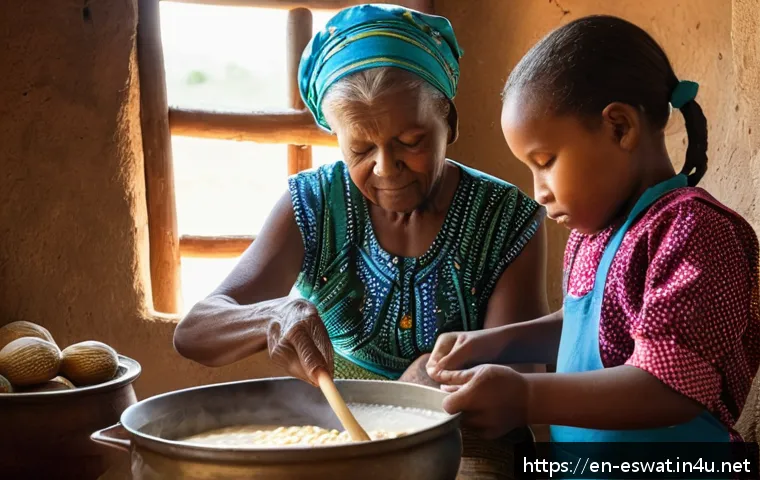
The transmission of recipes from elders to younger family members is a cherished tradition in Eswatini. I was lucky to witness a grandmother teaching her grandchildren how to prepare a classic stew, emphasizing the importance of technique and respect for ingredients.
This passing down of knowledge not only preserves culinary heritage but also reinforces family bonds and cultural identity.
| Dish | Main Ingredients | Typical Occasion | Flavor Profile |
|---|---|---|---|
| Sishwala | Maize flour, water | Everyday staple | Mild, creamy, neutral |
| Umncweba | Dried meat, spices | Special occasions | Smoky, savory, rich |
| Sidvudvu | Pumpkin leaves, groundnuts | Side dish for meals | Earthy, nutty, slightly sweet |
| Tinkhobe | Fresh corn on the cob | Festivals, markets | Sweet, fresh, slightly chewy |
| Umbidvo | Maize, sugarcane or honey | Festive dessert | Sweet, smooth, comforting |
Conclusion
Eswatini’s culinary landscape is a vibrant tapestry woven from tradition, community, and nature’s bounty. Each dish tells a story of heritage and resilience, inviting you to experience flavors that are deeply rooted in culture. Whether through hearty stews or sweet treats, the food here creates connections that go beyond the plate. Exploring Eswatini’s cuisine is truly a journey into the heart of its people and their way of life.
Useful Information to Know
1. Eswatini’s staple ingredient is maize, which appears in many dishes and forms the foundation of daily meals.
2. Traditional cooking methods, like using clay pots and open flames, enhance flavors and preserve cultural authenticity.
3. Meals in Eswatini are often communal events that strengthen social bonds and celebrate togetherness.
4. Seasonal and locally sourced ingredients ensure freshness and sustainability in Eswatini’s cuisine.
5. Traditional drinks, including sorghum beer and herbal infusions, perfectly complement the diverse flavors of the food.
Key Takeaways
Eswatini’s food culture thrives on simplicity, community, and respect for natural ingredients. The emphasis on slow cooking and sharing meals highlights a lifestyle centered around connection and tradition. Understanding these core values offers insight into not just the dishes themselves, but the spirit behind them—making every bite a meaningful experience.
Frequently Asked Questions (FAQ) 📖
Q: What are some traditional dishes in Eswatini that I should try?
A: When visiting Eswatini, you definitely shouldn’t miss dishes like Sishwala, a thick maize porridge that forms the staple of many meals. It’s often paired with hearty stews such as Umncweba, which is made from dried beef or game meat simmered with spices.
For something sweet, try Incwancwa, a delicious maize-based treat that locals enjoy during festivals. These dishes not only offer rich flavors but also give you a taste of Eswatini’s cultural heritage.
Q: Are Eswatini’s traditional dishes suitable for vegetarians or those with dietary restrictions?
A: While many traditional Eswatini dishes feature meat, there are vegetarian-friendly options available. Sishwala itself is naturally vegetarian and can be enjoyed with vegetable-based relishes made from spinach, pumpkin leaves, or beans.
However, it’s a good idea to communicate your dietary needs clearly when dining locally, as some stews may contain animal products or broth. The local chefs are increasingly open to adapting recipes, so you can often find or request dishes that suit your preferences.
Q: Where can travelers experience authentic Eswatini cuisine?
A: To truly immerse yourself in Eswatini’s culinary scene, seek out local markets and traditional restaurants outside of the major hotels. Places like the Mantenga Cultural Village offer not only authentic meals but also cultural performances that deepen the experience.
Additionally, many guesthouses and homestays pride themselves on serving home-cooked Eswatini dishes, which is a fantastic way to connect with locals and enjoy fresh, traditional flavors firsthand.
I found that venturing beyond tourist hotspots gave me the most genuine and memorable food experiences.