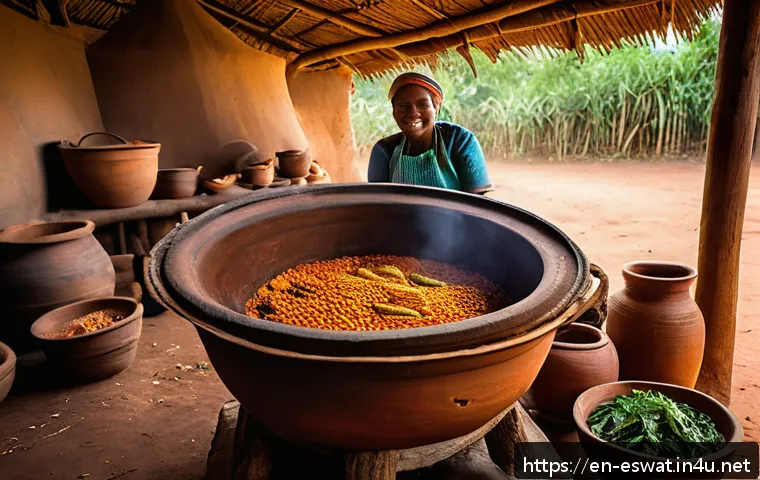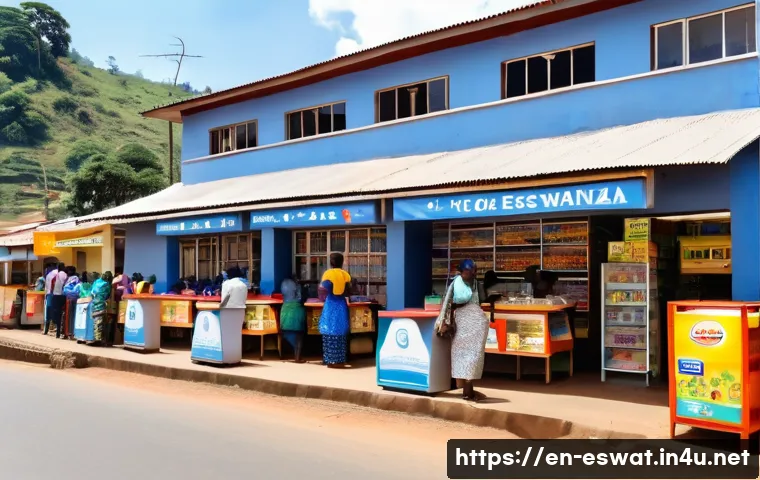
Exploring business opportunities in Eswatini opens doors to a vibrant and growing market in Southern Africa. With its strategic location, supportive government policies, and emerging sectors like agriculture, manufacturing, and tourism, Eswatini is becoming an attractive destination for entrepreneurs and investors alike.
The country’s commitment to economic diversification and regional trade agreements further enhances its appeal. For those willing to navigate its unique business environment, Eswatini offers promising potential for growth and innovation.
Let’s dive deeper and uncover exactly what makes this market worth your attention!
Unlocking the Potential of Eswatini’s Agricultural Sector
Fertile Grounds for Agribusiness Growth
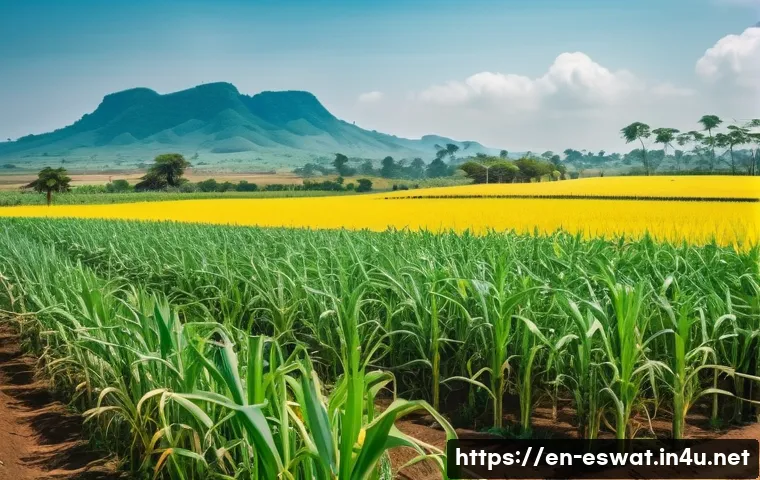
Eswatini’s agriculture sector is a cornerstone of its economy, providing a wealth of opportunities for both local and foreign investors. The country boasts fertile soil and a favorable climate, making it ideal for cultivating a variety of crops such as sugarcane, maize, citrus fruits, and vegetables.
What’s exciting is that the government actively supports agricultural development through subsidies and training programs, which significantly lowers entry barriers for newcomers.
From my conversations with local farmers, I’ve learned that adopting modern farming techniques is rapidly increasing yields, presenting a ripe moment to invest in agritech solutions or value-added processing facilities.
Livestock and Dairy Farming Expansion
Beyond crops, livestock farming in Eswatini is gaining momentum, especially in beef and dairy production. The domestic demand for quality meat and dairy products is rising, fueled by a growing middle class and urbanization trends.
I had the chance to visit a dairy cooperative recently, and it was clear that there’s a strong push toward improving animal health and productivity. Entrepreneurs can tap into this by offering veterinary services, feed production, or cold chain logistics, all of which are still developing sectors with immense growth potential.
Export Opportunities and Challenges
While Eswatini’s agricultural products have promising export potential, navigating the logistics and regulatory landscape can be tricky. The country’s participation in regional trade agreements like SACU and SADC helps ease tariff barriers, yet exporters must comply with stringent quality standards, especially for European and South African markets.
I noticed that businesses that invest time in understanding these compliance requirements and build solid relationships with export agencies tend to outperform competitors.
This sector’s future shines brightest for those ready to combine local knowledge with international market demands.
Manufacturing Industry: A Gateway to Regional Markets
Emerging Manufacturing Hubs
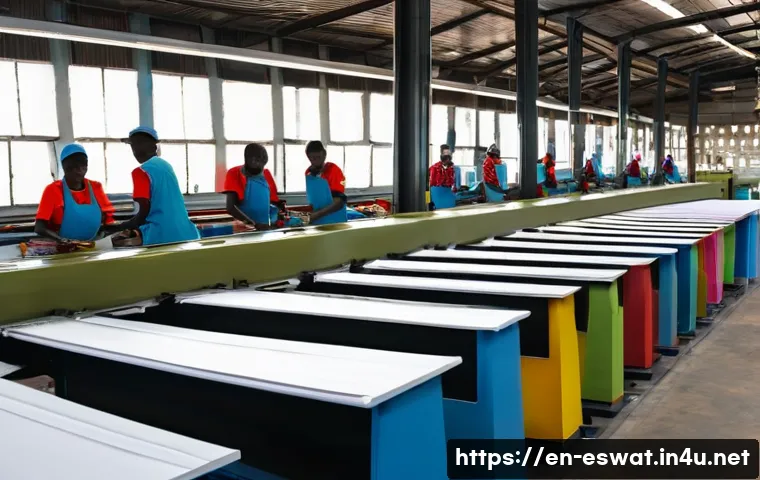
Eswatini’s manufacturing sector is steadily evolving, with textile and apparel factories leading the way. The country benefits from duty-free access to key markets like the US under AGOA (African Growth and Opportunity Act), which has attracted several international brands.
When I toured a textile plant, I was impressed by the integration of sustainable practices and skilled labor, which enhances product quality and global competitiveness.
For investors, the government’s incentives, including tax breaks and simplified licensing, create an encouraging environment to establish or expand manufacturing operations.
Opportunities in Agro-Processing
Linking agriculture with manufacturing, agro-processing is a promising niche that adds value to raw agricultural products. Eswatini has many untapped opportunities in processing sugar, fruit juices, and even essential oils.
I’ve seen small enterprises successfully scale by focusing on organic or specialty products, carving out unique market positions. For startups, investing in agro-processing can generate higher profit margins and reduce reliance on raw exports, which are vulnerable to price fluctuations.
Infrastructure and Workforce Considerations
Despite these opportunities, manufacturing growth faces challenges in infrastructure and skilled labor availability. Power supply interruptions and transportation bottlenecks occasionally hamper production timelines.
However, the government is actively investing in infrastructure upgrades, including roads and energy projects, aiming to alleviate these issues. On the workforce side, vocational training programs are expanding to equip young people with necessary technical skills, which is a positive sign for long-term sector sustainability.
Tourism and Hospitality: Untapped Gems Awaiting Exploration
Natural Attractions and Cultural Heritage
Eswatini’s tourism sector is rich with potential, thanks to its stunning landscapes, wildlife reserves, and vibrant cultural festivals. From the lush Mlilwane Wildlife Sanctuary to the colorful Umhlanga Reed Dance, there’s a unique blend of nature and tradition that appeals to travelers seeking authentic African experiences.
On my last trip there, I noticed increasing interest from eco-tourists and adventure seekers, which signals an opportunity to develop niche tourism products like guided safaris, cultural tours, and eco-lodges.
Investment in Hospitality Infrastructure
While the demand for tourism is growing, the hospitality industry is still catching up in terms of quality accommodation and services. Investors can find openings in building boutique hotels, lodges, and resorts that cater to mid- and high-end tourists.
I’ve spoken to local entrepreneurs who stress the importance of combining modern comforts with local design aesthetics to create memorable stays. Additionally, training programs focused on hospitality skills are gradually improving service standards, making this sector more attractive for foreign investment.
Marketing and Regional Tourism Integration
One key to boosting Eswatini’s tourism lies in better marketing and integration with regional tourism circuits. Many travelers visiting South Africa or Mozambique overlook Eswatini due to limited awareness.
Collaborative efforts with neighboring countries to create multi-destination packages could significantly increase visitor numbers. From my experience, partnerships between tour operators and local communities can also enhance authentic experiences while distributing tourism benefits more equitably.
Financial Services and Entrepreneurial Ecosystem Development
Expanding Banking and Microfinance Options
Eswatini’s financial sector is gradually expanding beyond traditional banking to include microfinance and mobile money services, which are crucial for small and medium enterprises (SMEs).
During discussions with local business owners, it became evident that access to affordable credit remains a challenge but is improving with new fintech entrants.

Entrepreneurs looking to launch startups will find opportunities in developing tailored financial products that cater to underserved markets or specific sectors like agriculture and manufacturing.
Government Support for SMEs
The government has introduced several programs aimed at fostering entrepreneurship, such as business incubation centers, grants, and training workshops.
These initiatives help bridge the gap between informal and formal business sectors. I’ve witnessed firsthand how these support systems empower young entrepreneurs to scale their ideas, especially in tech and creative industries.
For investors, partnering with such programs can be a strategic way to tap into emerging talent and innovative ventures.
Challenges in Regulatory Framework and Compliance
However, navigating the regulatory environment can be complex due to bureaucratic procedures and sometimes unclear policies. Entrepreneurs must be prepared for thorough due diligence and compliance with local laws, which can vary depending on the business type.
From my experience advising startups, hiring local legal expertise early on can save time and prevent costly mistakes, ultimately smoothing the path to successful market entry.
Energy and Infrastructure: Building Foundations for Growth
Renewable Energy Initiatives
Eswatini is increasingly focusing on renewable energy projects, including solar and hydropower, to address energy shortages and promote sustainability.
I’ve observed that this shift not only supports environmental goals but also opens up investment opportunities in energy generation, distribution, and related technologies.
Entrepreneurs involved in clean tech can explore partnerships with the government or international donors to pilot innovative energy solutions that benefit both urban and rural communities.
Transport and Connectivity Improvements
Improving transportation infrastructure is vital for business efficiency. The country is working on upgrading roads, rail links, and digital connectivity to enhance trade and communication.
When visiting industrial parks, I noticed ongoing construction projects aimed at streamlining logistics. Reliable transport networks reduce operational costs and improve supply chain reliability, which is a significant factor for manufacturing and export-oriented companies.
Potential for Public-Private Partnerships
Given the scale of infrastructure needs, public-private partnerships (PPPs) are becoming a popular model for project financing and implementation. Investors willing to engage in PPPs can contribute expertise and capital while benefiting from government support and risk-sharing mechanisms.
I have seen several successful PPP models in neighboring countries that could be adapted to Eswatini’s context, particularly in energy and transport sectors.
Summary of Key Business Sectors and Opportunities in Eswatini
| Sector | Key Opportunities | Challenges | Government Support |
|---|---|---|---|
| Agriculture | Crop cultivation, livestock farming, agritech, export of raw and processed goods | Compliance with export standards, infrastructure limitations | Subsidies, training programs, export facilitation |
| Manufacturing | Textiles, agro-processing, sustainable production, export under AGOA | Power supply, skilled labor shortage | Tax incentives, vocational training, infrastructure investments |
| Tourism | Eco-tourism, cultural tours, hospitality development | Limited accommodation quality, low regional awareness | Tourism promotion, skills training |
| Financial Services | Microfinance, fintech, SME credit, entrepreneurial support | Regulatory complexity, access to affordable credit | Business incubation, grants, training |
| Energy & Infrastructure | Renewable energy projects, transport upgrades, PPPs | Funding gaps, project execution risks | PPP frameworks, international cooperation |
Conclusion
Eswatini presents a vibrant landscape of opportunities across agriculture, manufacturing, tourism, financial services, and energy sectors. With ongoing government support and growing private initiatives, the country is steadily advancing toward sustainable economic growth. Investors and entrepreneurs who understand local dynamics and global market demands will find Eswatini an appealing destination for long-term ventures. Embracing innovation and collaboration will be key to unlocking its full potential.
Useful Insights to Keep in Mind
1. Eswatini’s fertile land and supportive agricultural policies make it ideal for agribusiness growth, especially in crops and livestock.
2. The manufacturing sector benefits from trade agreements like AGOA, but infrastructure and skilled labor remain areas for improvement.
3. Tourism thrives on the country’s natural beauty and cultural richness, though enhancing hospitality standards and regional marketing is crucial.
4. Financial services are expanding with fintech and microfinance, yet navigating regulatory frameworks requires local expertise.
5. Renewable energy and infrastructure projects offer promising avenues, especially through public-private partnerships that share risks and rewards.
Key Takeaways
Eswatini’s diverse economic sectors are interconnected, each presenting distinct opportunities supported by government incentives and international partnerships. Success in this market depends on balancing local knowledge with innovation and compliance with regulatory standards. Challenges like infrastructure gaps and regulatory complexities are being addressed but require patience and strategic planning from investors. Overall, Eswatini’s evolving business environment offers a fertile ground for sustainable growth and impactful investments.
Frequently Asked Questions (FAQ) 📖
Q: What are the key sectors driving business growth in Eswatini?
A: Eswatini’s economy is notably supported by agriculture, manufacturing, and tourism. Agriculture remains a backbone, with opportunities in sugar production, forestry, and horticulture.
Manufacturing is growing, especially in textiles and agro-processing, benefiting from trade agreements that ease export. Tourism is also gaining momentum, thanks to the country’s rich cultural heritage and natural beauty.
Entrepreneurs who tap into these sectors can leverage government incentives and infrastructure improvements, making it easier to establish and grow their ventures.
Q: How does Eswatini’s government support new businesses and investors?
A: The Eswatini government actively encourages investment through various policies aimed at economic diversification. There are incentives like tax breaks, streamlined business registration processes, and investment protection guarantees.
Additionally, Eswatini is part of regional trade agreements, such as the Southern African Development Community (SADC), which helps businesses access broader markets.
From my experience and conversations with local entrepreneurs, the government’s proactive stance creates a more welcoming environment, although understanding local regulations and building relationships remains key to smooth operations.
Q: What challenges should entrepreneurs expect when doing business in Eswatini?
A: While Eswatini offers promising opportunities, newcomers should be prepared for some challenges. The market size is relatively small, so scaling might require tapping into regional trade.
Infrastructure outside main urban areas can be limited, affecting logistics and supply chains. Navigating local business culture and bureaucracy can take time, especially for those unfamiliar with Southern African business practices.
However, patience and building local partnerships often pay off, and many investors find that the country’s stable political climate and supportive policies make it worth the effort.