A workable Eswatini film-location shortlist should match visual style with access, written permissions, and local production support—not scenery alone.
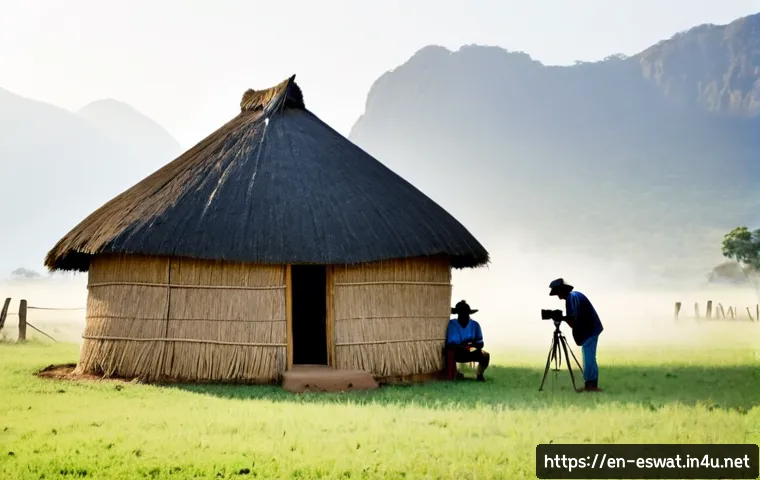
Before booking, compare transport, accommodation, crew needs, equipment options, and approval requirements for every possible setting. This approach helps independent crews and commercial teams identify where a local fixer, vehicle hire, or production-services quote may be useful.
Mountain views, town scenes, cultural spaces, and wildlife-adjacent environments can serve very different creative briefs. The key is to treat each location as a logistics decision as well as a visual one.
Current permit rules, drone restrictions, fees, and supplier availability should always be confirmed directly with the relevant authority or provider.
At a Glance
- Start with the shot list: choose location categories that fit the story, then test access and practical working conditions.
- Do not assume a scenic place is shoot-ready: written approval, vehicle access, crew space, and local rules may affect the plan.
- Compare itemized production quotes: separate transport, accommodation, permissions, equipment, crew support, and contingency costs.
| Location Type | Creative Strength | Access Questions | Likely Permission Complexity | Budget Pressure |
|---|---|---|---|---|
| Mountain and rural landscapes | Open views, natural texture, remote atmosphere | Road condition, vehicle suitability, crew parking, weather backup | Confirm landowner or manager approval | Transport, time, communications, power support |
| Town and road settings | Everyday life, movement, urban contrast | Traffic, pedestrians, loading space, sound conditions | Confirm authority and property permissions where relevant | Traffic control, security, schedule flexibility |
| Cultural or community-sensitive spaces | Local character and heritage context | Host coordination, respectful crew behavior, event schedules | May require direct community, owner, or manager consent | Local coordination and longer planning time |
| Nature and wildlife-adjacent areas | Natural environments and outdoor storytelling | Safety procedures, restricted access, quiet working practices | Confirm rules with the responsible manager or authority | Guides, transport, safety support, limited working windows |
Where to Begin Your Eswatini Film Location Search
Quick Answer: Match Visual Style With Access, Permissions, and Production Support
The fastest way to narrow film locations in Eswatini is to begin with the visual requirement, then remove options that do not meet your operational needs. A dramatic landscape may fit a music video, but it may also require a suitable vehicle, extra travel time, a weather plan, and reliable communication. A town setting may be easier for accommodation and meals, yet harder for clean sound or uninterrupted filming.
A strong shortlist is practical, not just attractive. For each candidate, ask who controls the site, how the crew will arrive, where equipment can be unloaded, and whether the production can work there without disrupting local activity.
Four Location Categories to Shortlist Before Contacting Providers
Build an initial shortlist around four broad categories: mountain and rural landscapes, town and road scenes, cultural or community-sensitive locations, and nature or wildlife-adjacent environments. This keeps early research focused while leaving room for a local location scout to suggest alternatives.
A small travel-content crew may only need a flexible viewpoint, safe parking, and basic accommodation nearby. A branded-content production may need controlled sound, power planning, production insurance, crew holding space, and a clearer permission trail. The category may be the same, but the production standard is not.
What to Confirm Before Treating a Scenic Place as Shoot-Ready
Before placing any location on a final schedule, confirm ownership or management, written approval, access conditions, crew size limits, vehicle access, sound conditions, and weather alternatives. Ask whether filming, photography, commercial use, or drone activity is treated differently. Do not rely on a casual verbal understanding when travel, equipment rental, or accommodation bookings depend on the location.
If the site is remote, also ask about power, mobile connectivity, medical access, food and water arrangements, and the nearest realistic shelter option. These details can matter more than the view once the crew is on location.
Compare Settings by Visual Style, Access, and Production Value
Mountain and Rural Landscapes
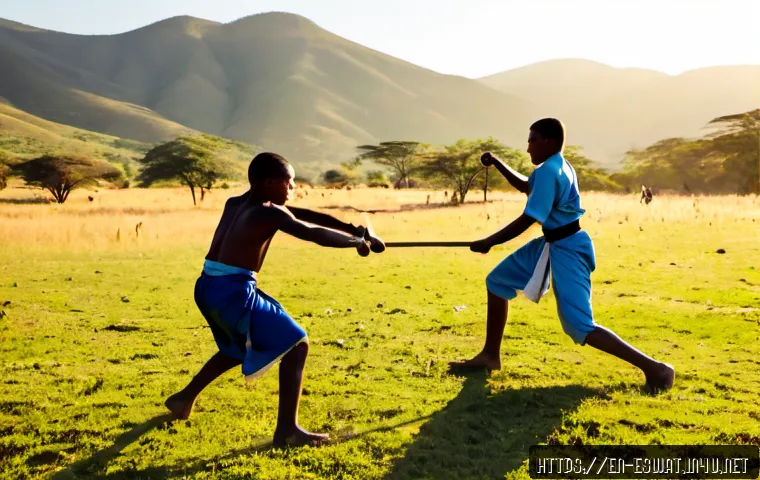
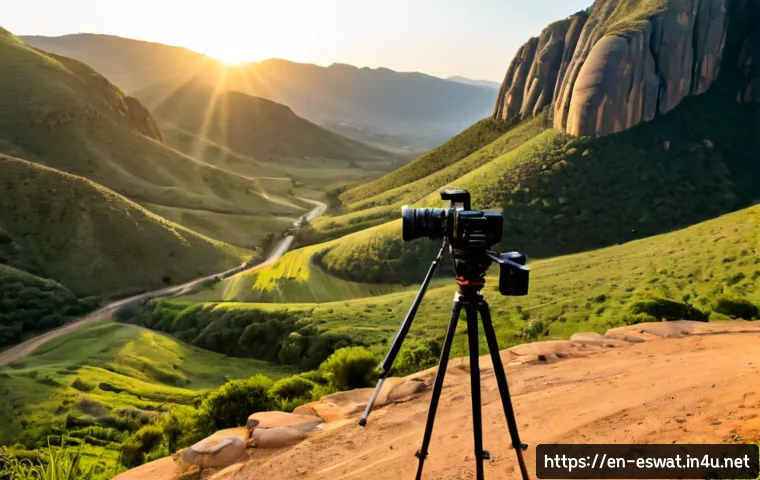
Mountain and rural settings can support wide establishing shots, road sequences, documentary interviews, and outdoor lifestyle content. Their visual value can be high, but the production plan should allow for changing light, weather exposure, uneven ground, and travel time.
Request transport quotes that state the vehicle type, driver scope, fuel treatment, luggage or equipment capacity, and waiting time. A vehicle that works for passengers may not be suitable for camera cases, lighting, grip equipment, or a larger crew.
Town, Road, and Everyday-Life Settings
Town and road settings can add movement and lived-in detail to a film project. They may also introduce sound interruptions, traffic, privacy concerns, and changing conditions during the day. If filming involves a storefront, a private building, a busy roadside area, or a controlled sequence, identify the relevant owner, manager, or authority before committing.
A location scout or local production coordinator can be particularly useful here because they can help assess practical details that are difficult to judge from photos alone: loading access, nearby parking, crowd flow, and whether a backup angle is available.
Cultural, Heritage, and Community-Sensitive Spaces
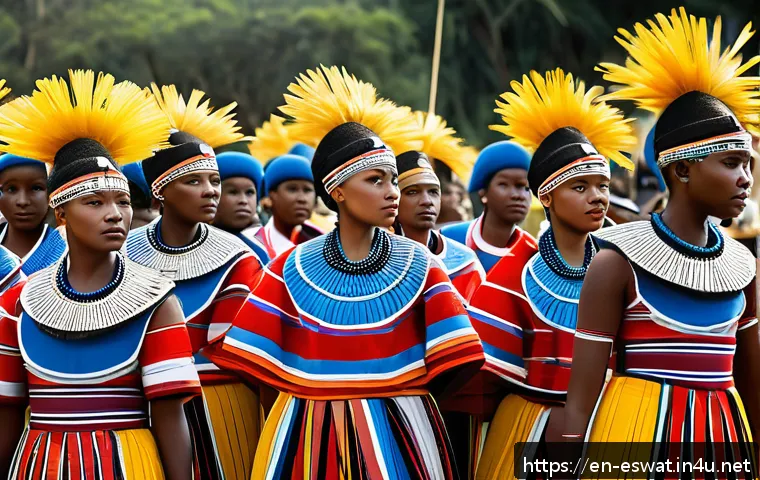
Cultural and community-sensitive spaces should be approached with care. The value of these places is not simply visual; they may have community expectations, restricted activities, or timing considerations that are not obvious to visiting crews.
Respectful planning is production planning. Explain the intended use of the footage, the size of the crew, equipment to be brought in, proposed working hours, and whether the project is editorial, commercial, branded, or documentary. Do not treat access as automatic because a location is visible to visitors.
Nature and Wildlife-Adjacent Environments
Nature-oriented locations may suit travel films, outdoor campaigns, and documentary work, but they require extra restraint. Keep the shoot plan compatible with the setting. Ask the responsible manager or authority about access, movement restrictions, safety expectations, guide requirements, and any limits on cameras, lighting, drones, or crew activity.
For these settings, a production schedule should include a realistic safety and communication plan. It should also avoid assuming that animals, weather, or natural conditions will perform on demand.
Comparison Table: Travel Time, Crew Needs, Permits, and Risk Level
| Production Question | Small Content Crew | Larger Commercial Crew |
|---|---|---|
| Travel planning | Prioritize flexible transport and a simple daily route | Confirm multiple vehicles, equipment movement, driver coordination, and call times |
| Permissions | Document approval and describe the intended filming clearly | Build approval status into the production schedule and contracts |
| Equipment | Bring a compact kit and confirm local backup options | Request an equipment-rental scope, delivery details, and replacement process |
| Accommodation | Choose lodging that supports the next shooting day | Check room blocks, meals, connectivity, parking, and crew movement |
| Risk management | Keep a weather and access backup | Plan for safety support, production insurance, security, and contingency time |
Estimate the Real Cost of a Shoot Before You Commit
Location Charges and Permission-Related Expenses
Do not combine all location spending into one vague estimate. Separate possible location charges, site management costs, permit-related fees, access support, security, cleaning, and overtime where applicable. Current requirements and fees should be verified with the responsible party, since they may vary by site, purpose, and crew scale.
An itemized quote makes it easier to compare two visually similar locations. One may appear less expensive until transport, access support, or additional working restrictions are included.
Transport, Drivers, Fuel, and Vehicle Suitability
Transport is often a central production decision, especially when the itinerary includes rural scenery and different accommodation bases. Ask vehicle-hire and production-services providers to explain what is included: driver, fuel, route limits, overtime, waiting time, insurance terms, and capacity for people and equipment.
For a multi-location schedule, check whether one vehicle can realistically support the entire day. A low initial quote is not necessarily the best option if it creates delays, duplicate journeys, or limited equipment capacity.
Accommodation, Meals, Connectivity, and Crew Logistics
Accommodation should be selected for more than comfort. Consider its distance from the set, early call-time practicality, meal availability, reliable work space, parking, and connectivity for production coordination. For a small crew, a practical base may reduce unnecessary travel. For a larger team, room allocation and meal timing can directly affect the call sheet.
When requesting safari accommodation or other lodging options, state whether the crew needs quiet rest, equipment storage, early departures, vehicle parking, or a space for brief production meetings. Confirm conditions directly before booking.
Requesting Itemized Quotes in SZL and Confirming Payment Terms
When requesting local production support, ask for a quote in SZL with each service shown separately. Useful headings include location support, transport, drivers, fuel, accommodation, meals, fixer services, location scouting, equipment rental, security, and contingency support.
Also confirm what the quote excludes, the payment schedule, cancellation conditions, tax treatment if applicable, and whether changes to hours, route, crew size, or equipment affect the final amount. Written scope matters more than a single total.
Permissions, Safety, and Cultural Considerations
Get Written Approval From the Relevant Owner, Manager, or Authority
Secure written approval from the party responsible for the site before presenting it as confirmed to talent, clients, or crew. The appropriate contact may be a private owner, property manager, community representative, venue operator, or public authority depending on the location.
Keep the approval record with the production paperwork. It should match the intended filming activity, proposed dates, crew scale, and any special equipment or vehicle requirements.
Check Rules for Drones, Roads, Protected Land, and Border-Area Filming
Drone operations, roadside filming, protected land, and filming near borders may involve separate restrictions or approvals. Requirements, timelines, and responsible bodies are not assumed here and should be checked before travel or equipment shipment.
Never build a critical shot around an unconfirmed drone plan. Prepare a ground-based alternative that still serves the edit if aerial filming is unavailable or delayed.
Plan Respectfully for Community Spaces, Events, and Culturally Significant Locations
For community spaces or culturally significant locations, communicate the project purpose plainly and early. Ask what conduct, access, filming angles, or schedules should be respected. If an event or gathering is involved, do not assume that public visibility equals permission to record and publish commercial footage.
A local fixer can help make these conversations clearer, but the production should still be transparent about intended use and distribution.
Build Weather, Power, Medical, and Communication Contingencies Into the Call Sheet
Every call sheet should include a fallback plan for weather, access changes, power needs, medical issues, and communication gaps. Remote work may require more time between setups than a city-based schedule. Keep contact details, meeting points, transport responsibilities, and backup locations clear for all departments.
Choose a Workflow for Your Type of Production
Lean Travel Creator or Documentary Crew
A lean crew benefits from a narrow route, compact equipment, and locations that can be filmed with minimal disruption. Focus on a manageable number of confirmed places rather than chasing every scenic possibility. A local guide, scout, or fixer may still be valuable if it reduces uncertainty around access and respectful filming.
Commercial, Branded-Content, or Music-Video Team
Commercial shoots generally need more formal planning because clients, talent, equipment, and delivery deadlines raise the cost of disruption. Use a written production scope that covers location permissions, crew roles, equipment rental, transport, insurance, catering or meals, accommodation, security, and contingency arrangements.
Ask production-services providers to identify assumptions in their quote. This helps prevent a situation where an essential service is treated as an add-on after the schedule is locked.
International Crew Needing a Local Fixer or Production Coordinator
An international crew may benefit from a local fixer or production coordinator when the project has several locations, a tight timetable, unfamiliar access conditions, or a need for local supplier coordination. The right support can help organize calls, compare providers, communicate with site contacts, and flag practical issues before the crew arrives.
Request a clear scope: location scouting, permitting assistance, transport booking, crew sourcing, translation or liaison work, equipment coordination, and on-set support should be listed separately where possible.
When a Pre-Shoot Recce Is Worth the Added Cost
A recce is worth considering when the location is central to the concept, access is uncertain, the shoot involves a larger crew, or a remote setting has limited backup options. A pre-shoot visit can test travel routes, sound, available space, light direction, parking, accommodation, and local working conditions.
For smaller projects, a remote recce using current photos, video calls, and a local scout may be a more practical first step. The goal is not to add process for its own sake; it is to avoid expensive surprises on shoot day.
Selection Criteria and Comparison Summary
Before selecting a film location in Eswatini, compare these decision points: visual fit, confirmed access, written approval, vehicle suitability, crew and equipment needs, accommodation logistics, and a realistic contingency plan. Choose scenery only after the operational requirements are clear. Compare production-services quotes by scope, not only by the lowest total, and make sure the figures identify what is excluded.
Before booking, request itemized quotes for transport, accommodation, local production support, equipment rental, and any site-specific services from the relevant provider pages or contacts.
In Closing
Eswatini can be assessed through a practical mix of landscapes, town settings, community spaces, and nature-oriented environments. The most useful location plan connects the creative brief to real access, permissions, and crew logistics. Keep approvals documented, ask direct questions about operational limits, and retain a backup option for key scenes. That preparation gives both small crews and larger productions a more controlled starting point.
Useful Information to Keep in Mind
1. Ask for a current, itemized quote rather than relying on a broad estimate.
2. Confirm whether filming, commercial use, and drone activity are handled under different rules.
3. Match vehicle choice to terrain, people, and equipment—not passenger seating alone.
4. Keep cultural communication respectful and transparent from the first contact.
Important Notes
Specific filming-permit requirements, approval bodies, timelines, fees, drone rules, border-area restrictions, protected-area conditions, and supplier pricing should be confirmed directly with the relevant owner, manager, authority, insurer, or production-services provider. Availability of local crew, equipment rental, vehicles, security, and accommodation can also change. This guide is a planning framework, not confirmation that any particular site or service is available for filming.
Frequently Asked Questions
Q1. Do I need permission to film in public places in Eswatini?
A1. Do not assume that public access means filming is automatically allowed. Requirements may depend on the specific place, filming purpose, crew size, equipment, road use, and whether the work is commercial. Confirm the current position with the relevant owner, manager, or authority and obtain written approval where required.
Q2. What should a film crew include when requesting a production-services quote in Eswatini?
A2. Include your dates, crew size, project type, location categories, transport needs, accommodation requirements, equipment list, filming hours, drone plans if any, and whether you need a fixer, location scout, drivers, security, or production coordination. Ask for itemized costs in SZL and clear payment and cancellation terms.
Q3. Is hiring a local fixer or location scout worth it for a small film shoot?
A3. It can be worthwhile when access, permissions, local contacts, language, transport routing, or cultural considerations are unclear. For a simple shoot, limited remote scouting or day-rate coordination may be enough. Compare the service scope with the risk and cost of losing time on location.