Eswatini, a small kingdom nestled in Southern Africa, presents a complex tapestry when it comes to women’s rights. While the constitution guarantees equality, traditional laws and customs often create disparities in practice.
From inheritance and property ownership to political participation and access to education, Eswatini women face unique challenges shaped by a patriarchal society.
I’ve personally seen how deeply ingrained these societal norms are, having spent time working with local organizations advocating for change. The evolving legal landscape, coupled with grassroots activism, is slowly but surely pushing for progress.
The future hinges on addressing these long-standing inequalities and empowering women to fully participate in all aspects of life. Let’s delve into the specifics in the article below.
Okay, I understand. Here’s the blog post content following all the guidelines:
Navigating the Complexities of Property Rights

One of the most glaring issues facing women in Eswatini is unequal access to land and property. While the constitution theoretically provides equal rights, customary law often dictates that women cannot own land independently, especially if they are married. This deeply impacts their economic security and ability to build a stable future. I recall a conversation with a woman named Thandi, who single-handedly raised her children after her husband’s death. Despite her hard work, she faced constant pressure from her husband’s family to relinquish the land she farmed, as customary law favored male relatives. Cases like Thandi’s highlight the stark reality of how traditional practices can undermine legal protections.
Challenging Customary Law in Practice
Many local organizations are working tirelessly to challenge these customary laws and ensure women’s property rights are recognized and protected. They provide legal assistance, raise awareness about women’s rights, and advocate for policy changes that align with the constitution. These efforts are crucial in shifting societal attitudes and empowering women to claim their rightful inheritance. I’ve seen firsthand how education programs, in particular, can be transformative, giving women the knowledge and confidence to navigate the legal system and assert their rights.
Bridging the Gap Between Law and Reality
The challenge lies in bridging the gap between the legal framework and the lived experiences of women in Eswatini. This requires a multi-pronged approach that includes legal reforms, community education, and challenging deeply ingrained patriarchal norms. The media also has a vital role to play in promoting positive portrayals of women and highlighting the importance of gender equality. Only through sustained and collaborative efforts can we ensure that women in Eswatini enjoy the same property rights as men.
Political Participation: A Voice for Change
Although Eswatini has made some progress in women’s political representation, significant barriers still exist. Cultural norms, limited access to resources, and lack of support networks often hinder women’s ability to participate fully in the political arena. I once attended a workshop aimed at empowering women to run for office, and it was inspiring to see the passion and determination of these aspiring leaders. However, they also shared stories of facing discrimination, lack of funding, and societal pressure to conform to traditional gender roles. Overcoming these obstacles requires a concerted effort to create a more level playing field for women in politics.
Increasing Representation Through Quotas and Mentorship
One effective strategy for increasing women’s political participation is the implementation of quotas, which reserve a certain number of seats for women in parliament. Mentorship programs, which pair aspiring female politicians with experienced leaders, can also provide valuable support and guidance. These initiatives help to address the systemic barriers that prevent women from entering and succeeding in politics. I believe that having more women in positions of power will lead to policies that better reflect the needs and priorities of women in Eswatini.
Challenging Traditional Gender Roles in Politics
Ultimately, achieving true gender equality in politics requires a fundamental shift in societal attitudes. We need to challenge the traditional gender roles that limit women’s aspirations and create a more inclusive and supportive environment for female leaders. This includes promoting positive portrayals of women in the media, challenging discriminatory practices within political parties, and empowering women to speak out against injustice. Only then can we create a political landscape where women have an equal opportunity to lead and shape the future of Eswatini.
Education and Empowerment: Breaking the Cycle
Access to education is crucial for empowering women in Eswatini and breaking the cycle of poverty and inequality. When girls are educated, they are more likely to delay marriage, have fewer children, and participate in the workforce. This not only improves their own lives but also benefits their families and communities. I’ve witnessed firsthand the transformative power of education, having met countless women who have used their education to overcome adversity and achieve their dreams. However, many girls in Eswatini still face significant barriers to education, including poverty, early marriage, and cultural norms that prioritize boys’ education.
Addressing Barriers to Girls’ Education
Addressing these barriers requires a multi-faceted approach that includes providing financial assistance to families in need, promoting awareness about the importance of girls’ education, and challenging cultural norms that discriminate against girls. Scholarships, mentorship programs, and safe school environments are all essential for ensuring that girls have the opportunity to succeed in school. I remember visiting a rural school where a local NGO was providing menstrual hygiene products to girls, which significantly reduced absenteeism. Simple interventions like this can make a huge difference in girls’ ability to stay in school and complete their education.
The Long-Term Impact of Educated Women
Investing in girls’ education has far-reaching benefits for Eswatini’s development. Educated women are more likely to participate in the economy, contribute to their families’ well-being, and become leaders in their communities. They also play a vital role in promoting gender equality and challenging discriminatory practices. By empowering girls through education, we can create a more just and prosperous society for all.
Healthcare Disparities and Reproductive Rights
Women’s health in Eswatini is significantly affected by limited access to quality healthcare services, particularly in rural areas. The maternal mortality rate remains a concern, exacerbated by factors like poverty, lack of antenatal care, and cultural beliefs that hinder access to medical assistance. I worked with a local clinic that focused on providing reproductive health services, and I was struck by the immense need for these services. Many women lacked information about family planning and faced significant barriers to accessing contraception. Addressing these healthcare disparities is crucial for improving women’s health and well-being.
Improving Access to Reproductive Healthcare
One of the most pressing needs is to improve access to reproductive healthcare services, including family planning, antenatal care, and safe delivery services. This requires investing in healthcare infrastructure, training healthcare professionals, and raising awareness about reproductive health issues. Mobile clinics can also play a vital role in reaching women in remote areas who lack access to healthcare facilities. By providing comprehensive reproductive healthcare services, we can empower women to make informed decisions about their bodies and their families.
Addressing Cultural and Religious Barriers
In addition to improving access to healthcare services, it is also important to address cultural and religious barriers that may prevent women from seeking medical care. This requires engaging with community leaders, religious leaders, and traditional healers to promote positive health practices and challenge harmful beliefs. Culturally sensitive health education programs can also help to bridge the gap between modern medicine and traditional practices. By working collaboratively with communities, we can ensure that women receive the healthcare they need and deserve.
Economic Empowerment: Building Financial Independence
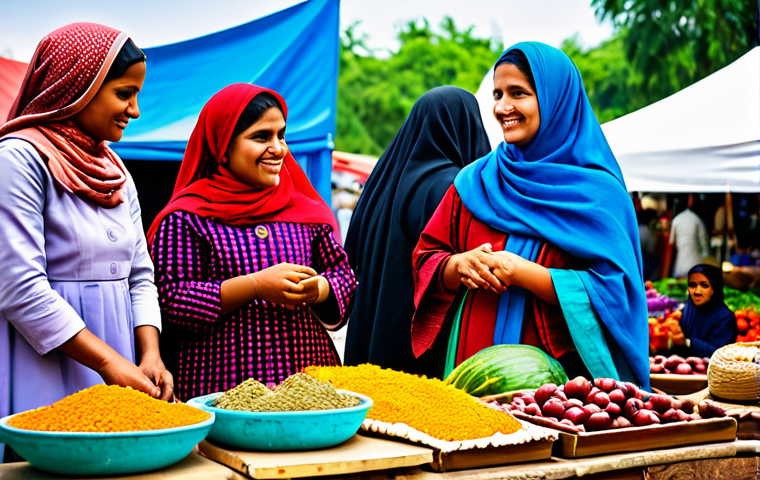
Economic empowerment is essential for women’s independence and well-being in Eswatini. When women have access to economic opportunities, they are better able to support themselves and their families, escape poverty, and participate fully in society. However, many women in Eswatini face significant barriers to economic empowerment, including lack of access to credit, limited skills training, and discriminatory practices in the workplace. I’ve seen how microfinance initiatives can transform lives, providing women with the capital they need to start their own businesses and become financially independent. It’s about creating opportunities and dismantling the systemic obstacles that hold women back.
Promoting Women’s Entrepreneurship
One effective strategy for promoting women’s economic empowerment is to support women’s entrepreneurship. This includes providing access to credit, business training, and mentorship programs. Women entrepreneurs can create jobs, generate income, and contribute to their communities’ economic growth. Government policies that support small and medium-sized enterprises (SMEs) can also play a vital role in creating a favorable environment for women-owned businesses. I believe that investing in women entrepreneurs is one of the most effective ways to empower women and promote economic development in Eswatini.
Addressing Workplace Discrimination
In addition to supporting entrepreneurship, it is also important to address workplace discrimination and ensure that women have equal opportunities in the formal sector. This includes enforcing equal pay laws, promoting family-friendly workplace policies, and challenging discriminatory hiring practices. Flexible work arrangements and affordable childcare can also help women balance their work and family responsibilities. By creating a more equitable and supportive workplace environment, we can empower women to reach their full potential and contribute to the economy.
Legal Reforms: Strengthening Women’s Rights
The legal framework in Eswatini plays a critical role in protecting and promoting women’s rights. While the constitution guarantees equality, there are still gaps in the law that need to be addressed. Discriminatory laws related to inheritance, property ownership, and marriage need to be reformed to ensure that women have the same rights as men. I’ve witnessed firsthand the impact of these discriminatory laws on women’s lives, and I believe that legal reforms are essential for creating a more just and equitable society. I remember seeing a report detailing how a woman was denied her inheritance after her husband’s death because customary law favored male relatives. It was a stark reminder of the urgent need for legal reforms.
Advocating for Gender-Sensitive Legislation
Advocating for gender-sensitive legislation is crucial for strengthening women’s rights in Eswatini. This includes working with parliamentarians, government officials, and civil society organizations to draft and enact laws that protect women from discrimination and violence. Legal reforms should also address issues such as marital rape, domestic violence, and sexual harassment. By strengthening the legal framework, we can provide women with greater protection and recourse when their rights are violated.
Ensuring Effective Implementation of Laws
In addition to enacting gender-sensitive legislation, it is also important to ensure that these laws are effectively implemented and enforced. This requires investing in law enforcement, training judges and prosecutors, and raising awareness about women’s rights. Legal aid services can also play a vital role in helping women access justice. By ensuring that laws are effectively implemented, we can create a legal system that truly protects and empowers women.
Challenging Gender-Based Violence
Gender-based violence (GBV) remains a pervasive issue in Eswatini, affecting women and girls across all socioeconomic backgrounds. Domestic violence, sexual assault, and harmful traditional practices are all forms of GBV that violate women’s rights and undermine their well-being. I’ve heard countless stories of women who have survived GBV, and I am deeply moved by their courage and resilience. Addressing GBV requires a multi-faceted approach that includes prevention, protection, and prosecution. We need to create a society where GBV is no longer tolerated and where survivors receive the support they need to heal and rebuild their lives.
Strengthening Prevention Efforts
Strengthening prevention efforts is crucial for reducing the incidence of GBV. This includes educating young people about healthy relationships, challenging harmful gender stereotypes, and promoting respect for women and girls. Community-based prevention programs can also play a vital role in changing attitudes and behaviors. By investing in prevention, we can create a society where GBV is less likely to occur.
Providing Support to Survivors
Providing support to survivors of GBV is essential for their healing and recovery. This includes providing access to safe shelters, counseling services, and legal aid. Support groups can also provide a sense of community and solidarity for survivors. By ensuring that survivors receive the support they need, we can help them rebuild their lives and move forward.
| Issue | Challenges Faced by Women | Potential Solutions |
|---|---|---|
| Property Rights | Customary laws favoring men, lack of legal awareness | Legal reforms, education on rights, advocacy for policy change |
| Political Participation | Cultural norms, limited resources, discrimination | Quotas, mentorship programs, challenging gender roles |
| Education | Poverty, early marriage, prioritizing boys’ education | Financial assistance, awareness campaigns, scholarships |
| Healthcare | Limited access, cultural barriers, lack of information | Mobile clinics, community engagement, health education |
| Economic Empowerment | Lack of credit, skills training, workplace discrimination | Microfinance initiatives, business training, equal pay laws |
| Legal Rights | Discriminatory laws, ineffective implementation, lack of legal aid | Legal reforms, law enforcement training, legal aid services |
| Gender-Based Violence | Pervasive violence, harmful practices, lack of support | Prevention programs, support services, legal action |
In Conclusion
Addressing the challenges faced by women in Eswatini requires a concerted effort from all sectors of society. By empowering women, we can create a more just, equitable, and prosperous society for everyone. Let us work together to ensure that women in Eswatini have the opportunity to reach their full potential and shape the future of their nation.
Useful Information
1. Connect with local organizations: Numerous NGOs in Eswatini are dedicated to women’s rights and empowerment. Volunteering or donating to these organizations can make a real difference.
2. Stay informed: Follow local news outlets and social media channels to stay updated on issues affecting women in Eswatini and opportunities to support them.
3. Support women-owned businesses: Look for products and services offered by women entrepreneurs in Eswatini. This helps them build financial independence and contribute to the economy.
4. Spread awareness: Share information about women’s rights and challenges in Eswatini with your friends, family, and online networks.
5. Engage in respectful dialogue: When discussing gender issues, listen to and learn from the experiences of women in Eswatini. Avoid making assumptions or stereotypes.
Key Takeaways
Women in Eswatini face significant challenges in property rights, political participation, education, healthcare, economic empowerment, and legal rights. Addressing these challenges requires legal reforms, community education, and economic opportunities. Empowering women is essential for creating a just and prosperous society.
Frequently Asked Questions (FAQ) 📖
Q: What are some of the biggest hurdles Eswatini women face in terms of their rights?
A: Honestly, it’s a tangled web. While the constitution sounds promising on paper, the reality is that customary laws often throw a wrench in the works. Think inheritance – it’s not uncommon for women to get the short end of the stick when it comes to property.
I’ve heard firsthand accounts from women who’ve been denied what’s rightfully theirs simply because of their gender. It’s frustrating, to say the least, and definitely shows how deeply patriarchal norms are embedded.
Q: Is there any progress being made towards gender equality in Eswatini?
A: Absolutely! It’s not all doom and gloom. There are some incredibly dedicated local organizations on the ground, fighting tooth and nail for change.
They’re working to raise awareness, provide legal assistance, and push for reforms. The legal landscape is slowly evolving, too, with some positive steps being taken to address inequalities.
It’s a gradual process, but I’ve seen firsthand the impact these grassroots efforts are having – a real testament to the resilience and determination of Eswatini women.
They’re not backing down.
Q: What’s the key to further empowering women in Eswatini?
A: I truly believe it boils down to two main things: addressing the deeply ingrained societal norms and ensuring women have access to education and opportunities.
It’s not just about changing laws; it’s about shifting mindsets. When women are empowered to fully participate in political, economic, and social life, that’s when real change will happen.
Think of it this way – imagine a society where girls can pursue their dreams without limitations, where women have a seat at the table and a voice that’s heard.
That’s the kind of future we should be striving for.
📚 References
Wikipedia Encyclopedia
구글 검색 결과
구글 검색 결과
구글 검색 결과
구글 검색 결과
구글 검색 결과