Hey there, amazing readers! I’ve been doing a bit of digging, and I stumbled upon something truly fascinating that I just had to share with you all: the economic heartbeat of Eswatini.

You know, it’s easy to get caught up in the headlines of bigger economies, but sometimes, the real gems of insight come from exploring places like this vibrant Southern African nation.
I’ve always been intrigued by how countries sustain themselves and what drives their trade relationships, and Eswatini offers such a unique perspective.
It’s not just about raw materials anymore; we’re seeing some really interesting shifts in global markets that are impacting even smaller economies in big ways.
It made me think about how resilient and adaptable nations need to be in today’s rapidly changing world, and Eswatini is no exception. From what I’ve observed, understanding what a country exports gives us a direct window into its culture, its resources, and its global connections.
I bet you’re curious about what fuels this captivating kingdom’s economy and how it fits into the bigger picture of international trade. Well, buckle up, because we’re about to uncover some truly insightful details together.
Let’s get into the nitty-gritty and find out exactly what makes Eswatini’s export scene tick! Let’s accurately explore the specifics together!
The Sweet Heartbeat of the Economy: Eswatini’s Golden Sugar
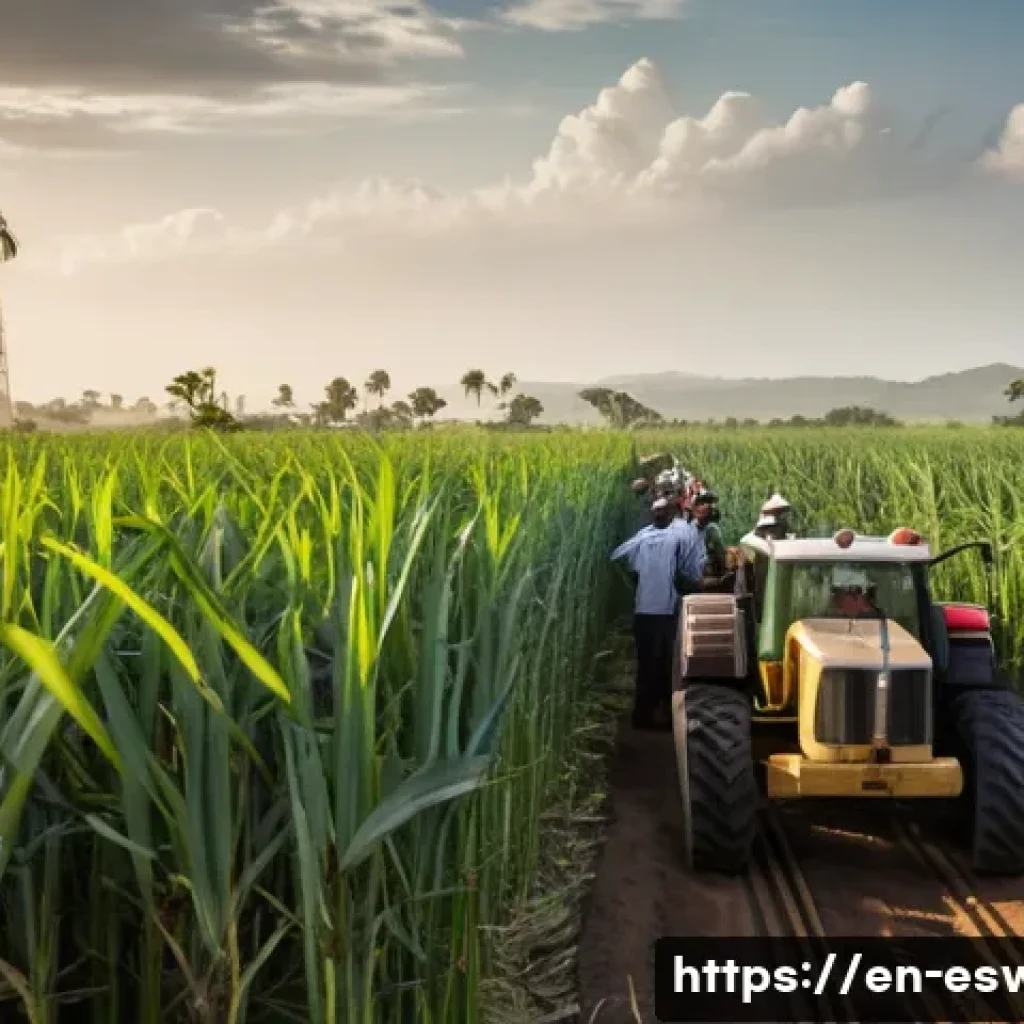
You know, when I first started looking into Eswatini’s economy, I quickly realized that sugar isn’t just a commodity here; it’s practically the lifeblood of the nation. It truly warmed my heart to see how deeply ingrained this industry is, not just in the economic figures but in the lives of so many people. Eswatini isn’t just a small player on the global sugar stage; they’re actually the fourth-largest producer in Africa and rank among the top 10 net-exporters worldwide! That’s a huge deal for a country of its size. I’ve been following the industry trends, and it’s clear that sugar cane cultivation and processing contribute significantly to the country’s GDP—around 5% to 6.3% in recent years—and provides jobs for over 16,000 to 20,000 people. Think about that for a moment: thousands of families relying on the rhythmic cycle of planting, growing, and harvesting sugar cane. It’s more than just numbers; it’s community, it’s livelihood, and it’s a huge source of national pride. When you visit, you can practically feel the hum of the sugar mills in the air, a testament to this vital sector. The industry is incredibly strategic, focused on high-quality production to meet global customer expectations, and they truly excel at it. I’ve heard countless stories from locals about how the sugar industry has built schools, provided healthcare, and contributed to housing, showing its profound social impact beyond mere economics. It’s a powerful example of how a primary export can truly shape a nation.
A Taste of Global Markets: Where Eswatini’s Sugar Goes
Eswatini’s sugar isn’t just staying local; it’s making its way to tables and factories across the globe. Their biggest export partners include the European Union and the United States, thanks to preferential trade agreements that have allowed their sugar exports to flourish. It’s fascinating to see how these agreements have really opened doors for Eswatini, driving growth and attracting foreign investment. I recall reading how, in one recent year, over 355,000 metric tons of sugar were shipped to the EU alone, dwarfing other export destinations. And let’s not forget the United States, where Eswatini consistently fills its tariff-free export quota each year. This global reach is a testament to the quality and consistency of their product, which comes in various forms like raw sugar for further processing, VHP brown sugar for direct consumption, and refined white sugar. The strategic positioning and dedication to quality have certainly sweetened Eswatini’s standing in international trade, proving that even a small country can have a massive impact.
Navigating Sweet Challenges: Climate and Competition
But it’s not all sweetness and light for the sugar industry. Like any agricultural sector, it faces its share of challenges, especially from climate change and global market shifts. I’ve observed that unpredictable rainfall, rising temperatures, and increased costs for fuel and fertilizer are really putting pressure on farmers. There’s also the ongoing global trend of consumers shifting to low-sugar products and the emergence of weight-loss medicines, which could impact demand. It makes you think about the resilience required to stay competitive. The industry is actively looking at diversification into other sugar-based products and even renewable electricity generation, which I find incredibly forward-thinking. They’re constantly adapting, trying to find innovative ways to overcome these hurdles and ensure the long-term sustainability of this crucial sector, which is truly inspiring to watch.
Beyond the Sip: The Global Reach of Eswatini’s Concentrates
When you think of Eswatini, sugar might be the first thing that comes to mind, but I was genuinely surprised and impressed to learn about another major export that often flies under the radar: soft drink concentrates. Yes, you read that right! Eswatini is a significant global supplier of these concentrates, most notably for one of the world’s most recognizable beverage brands. It’s a testament to the country’s often-overlooked manufacturing capabilities and its ability to integrate into complex global supply chains. This particular export category, often referred to as “scented mixtures” or “soft drink concentrates,” consistently ranks among Eswatini’s top exports, sometimes even surpassing sugar in value. Imagine that, a small nation playing such a pivotal role in quenching thirsts worldwide! It really makes you appreciate the intricate web of global trade and how countries, regardless of size, carve out their own vital niches. I’ve often thought about the sheer logistics involved in producing and exporting such a specialized product, requiring precision, quality control, and a robust manufacturing infrastructure. It’s a hidden gem in Eswatini’s economic crown.
The Secret Ingredient: Manufacturing Prowess
This isn’t just about mixing ingredients; it’s about advanced manufacturing and adherence to stringent international standards. The fact that Eswatini produces these concentrates for global giants speaks volumes about their industrial capabilities. I’ve learned that manufacturing, including sugar-related processing and these concentrates, makes up a substantial portion of Eswatini’s GDP—around 37% or even 27.6% by some accounts. This sector benefits from well-developed infrastructure, including roads and electricity, which are crucial for consistent production and export. It’s not an easy feat, and it highlights the skilled workforce and efficient operations that drive this part of the economy. The investment climate, with its quality infrastructure and stable industrial relations, makes Eswatini an attractive hub for such specialized manufacturing. Seeing how this one product has such a global reach from a relatively small manufacturing base truly demonstrates the power of specialized production.
Strategic Partnerships: Fuelling Global Brands
The success of soft drink concentrates as a key export is also a story of strategic international partnerships. These partnerships bring in foreign direct investment and create stable demand for Eswatini’s products. It’s a symbiotic relationship where global brands benefit from Eswatini’s production capabilities, and Eswatini benefits from reliable export revenues. While the specific destinations for these concentrates aren’t always explicitly detailed for proprietary reasons, it’s clear they reach diverse markets globally. This sector has contributed significantly to Eswatini’s economic stability and growth, providing a consistent revenue stream that helps balance the economy. It’s a fascinating example of how global integration, even for a specialized niche product, can have widespread economic benefits for a developing nation. I often wonder about the scale of operations needed to meet such global demand; it must be immense and incredibly well-managed, a testament to local talent and efficient systems.
Woven into the World: The Enduring Threads of Textiles
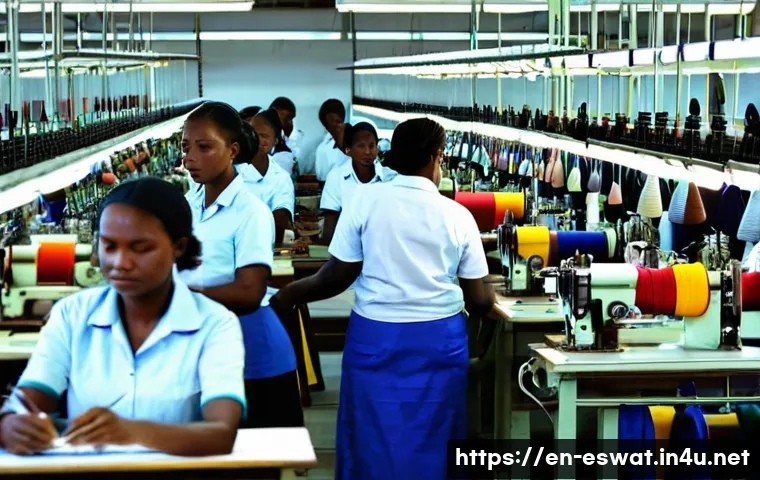
The textile and apparel industry in Eswatini holds a really special place in my heart, primarily because of the sheer number of people it employs and the opportunities it creates, particularly in rural areas. It’s not just about fashion; it’s about livelihoods and empowering communities. This sector has historically been one of Eswatini’s top five contributors to export earnings and is a major employer, providing jobs for roughly 15,000 to 20,000 people. I remember hearing stories about how the industry really took off after Eswatini gained preferential access to markets like the United States through the African Growth and Opportunity Act (AGOA) in the early 2000s. That kind of access transformed the industry, leading to rapid growth and a strong influx of foreign investment. It’s truly incredible how policy decisions can have such a direct and positive impact on a country’s economic landscape and its people. This industry showcases Eswatini’s ability to compete on a global scale in light manufacturing, and it’s a vibrant, dynamic part of their economic story. You can really feel the entrepreneurial spirit when you delve into the history and current state of this sector.
From Fabric to Fashion: The Production Powerhouse
Eswatini’s textile manufacturers aren’t just cutting and sewing; they’ve developed a comprehensive range of services, including spinning, weaving, knitting, dyeing, and finishing. This vertical integration is a real advantage, allowing them to offer diverse product lines and meet various buyer needs. Many of these manufacturing operations are centralized in places like the Matsapha Industrial Estate, which helps create efficiencies and a hub of expertise. While a significant portion of textile exports historically went to South Africa, the industry has also supplied major retailers in the United States and Europe. This diversification in market reach is critical for stability and growth. I personally find it inspiring how a country like Eswatini can develop such sophisticated manufacturing capabilities, producing high-quality garments that meet international standards. It’s a testament to their dedication to quality and their adaptability in a fast-paced global fashion industry.
Adapting to a Changing Landscape: New Horizons
However, the textile sector is currently facing significant shifts, with changes like the expiry of AGOA and South Africa’s strengthened localization policies creating new pressures. It’s a moment of challenge, but also one of immense opportunity. I’ve seen reports emphasizing the urgent need for Eswatini to diversify its export markets and invest across the wider textile value chain. This means exploring opportunities in cotton cultivation and ginning, yarn and fabric production, and even niche markets like corporate uniforms and traditional attire. What truly excites me is the potential for developing upstream capabilities, reducing reliance on imported raw materials, and creating more self-sufficiency within the industry. It’s a dynamic period for Eswatini’s textiles, and I’m optimistic that with strategic planning and investment, they’ll continue to weave their way into new global export horizons, keeping those vital jobs and economic contributions flowing.
From the Forest Floor to Far-Off Shores: Eswatini’s Timber Trade
Stepping away from the fields of sugarcane and the whir of textile machines, my exploration into Eswatini’s economy led me deep into its forests, revealing a thriving timber trade that’s been a cornerstone of its export portfolio for decades. While the specific dynamics have shifted over the years, the country’s natural endowment of timber, particularly pine plantations, has consistently provided valuable export products. I was particularly fascinated to learn about the Usutu forest, a massive area of pine plantations that, for a long time, supplied raw material for a significant wood-pulp mill. This mill, located right in the heart of the forest, produced unbleached Kraft wood-pulp that was exported worldwide, standing as Eswatini’s second most important export after sugar for many years. This historical context truly emphasizes the long-standing importance of forestry. Even though the major wood pulp producer closed down in 2010, marking a significant change, wood and wood articles, including sawn wood, remain valuable exports, demonstrating the sector’s adaptability and enduring presence. It’s a quieter, perhaps less flashy, industry than some others, but its consistent contribution to the economy and employment shouldn’t be underestimated.
Harvesting Value: Wood Products in the Modern Era
In today’s landscape, Eswatini continues to export various wood products. While large-scale wood pulp production has changed, exports of sawn wood and other wood articles still contribute substantially to the country’s export earnings. In fact, wood and wood articles exports reached over SZL 3.971 billion recently, making up a significant portion of total exports. This showcases a shift towards different forms of timber processing and export, moving with global market demands. I’ve come to understand that this industry, like many others, requires careful management of natural resources, balancing economic output with environmental sustainability. The sheer scale of the pine plantations is impressive, and they represent a long-term investment in the country’s natural capital. It’s a reminder that a country’s natural resources, when managed thoughtfully, can provide sustained economic benefits for generations.
A Sustainable Future for Forest Products
The future of Eswatini’s timber trade seems to lean towards maximizing value from its forest resources and potentially exploring new avenues in wood processing. While the global wood pulp market has its challenges, there are always opportunities in specialized wood products or further processing before export. I believe there’s a growing global demand for sustainably sourced timber, and Eswatini, with its established plantations, is well-positioned to meet some of that demand. It’s about finding those niche markets and innovative uses for wood that can bring higher returns. The careful management of these forest resources is key to ensuring that this sector continues to provide economic benefits and support jobs for the emaSwati people, contributing to rural development and overall economic resilience. It’s a sector that requires foresight and adaptation, and I’m keen to see how it evolves in the coming years.
A Zesty Contribution: Eswatini’s Burst of Citrus
As I delved deeper into Eswatini’s agricultural landscape, I discovered that it’s not all about sugarcane; the country also boasts a vibrant citrus industry that brings a refreshing zest to its export portfolio. I’ve always had a soft spot for fresh, juicy fruit, and it’s fascinating to see how Eswatini’s climate and fertile lands allow for the cultivation of high-quality citrus. This sector, though smaller than sugar, plays a significant role in diversifying the agricultural exports and reaching specialized markets. Eswatini exports various citrus fruits, including oranges, mandarins, lemons, limes, and grapefruit, along with prepared or preserved citrus fruit and even some citrus fruit juice. It’s truly a colorful and aromatic segment of their economy! I remember seeing recent data showing that Eswatini exported over $5 million worth of citrus in one year, reaching destinations like the United Kingdom, South Africa, Saudi Arabia, and even Russia. This global reach for such a perishable product speaks volumes about their efficient logistics and dedication to quality. The agricultural sector, as a whole, is a substantial contributor to Eswatini’s GDP, and citrus is certainly a bright spot within it, demonstrating the diverse capabilities of Eswatini’s farmers.
Sunshine and Sweetness: Cultivating Quality
Eswatini’s favorable climate and rich soils provide ideal conditions for growing citrus. I’ve learned that commercial agriculture here is quite sophisticated, focusing on quality products for export, and citrus is a prime example. Farmers are dedicated to producing fruit that meets international standards, which is crucial for accessing demanding markets in Europe and beyond. The cultivation involves careful management, from irrigation to pest control, ensuring that only the best produce makes it to market. The growth in citrus exports, even with fluctuating global prices, indicates a robust and resilient industry. I think about the hard work that goes into each orange or lemon, from the tree to the consumer’s plate, and it gives me a deeper appreciation for the agricultural communities in Eswatini. It’s a tangible connection to the land and a reflection of the dedication of the people working in this sector.
Expanding Horizons for Citrus Products
Beyond fresh fruit, Eswatini also exports prepared or preserved citrus products and juices, adding another layer of value to their agricultural output. This agro-processing aspect is incredibly important as it allows for longer shelf life and access to different market segments. I’ve seen data indicating significant exports of prepared citrus to countries like the United Kingdom, Japan, and France. This kind of diversification is a smart move, minimizing reliance on fresh produce markets alone. The government also encourages the expansion of industrial crops, including fruits, and opportunities exist in agro-processing, which could further boost citrus-related exports. It’s all about maximizing the potential of their agricultural resources, and I genuinely believe that Eswatini’s citrus industry has a bright, juicy future, continually finding new ways to share its sunshine-grown goodness with the world.
The Unsung Industrial Heroes: Eswatini’s Chemical Exports
It’s easy to get caught up in the more visible exports like sugar or textiles, but during my deep dive, I uncovered another really interesting, albeit less talked about, segment of Eswatini’s economy: chemical products. This sector, often lumped under categories like “Industrial Fatty Acids, Oils and Alcohols” or “Nitrogen Heterocyclic Compounds,” consistently ranks among the country’s top exports. It’s a testament to the nation’s diverse manufacturing capabilities and its ability to produce specialized goods that are essential components in various global industries. I found it quite intriguing because it speaks to a more advanced layer of industrial development than some might initially expect from a smaller African nation. These aren’t just basic chemicals; they often represent specific formulations and compounds crucial for other manufacturing processes worldwide. The fact that Eswatini has a solid footing in this area showcases a level of technical expertise and industrial infrastructure that is truly commendable. It’s a quiet but powerful force driving a significant portion of their export earnings and supporting countless other industries down the line.
Precision and Production: Manufacturing Essential Chemicals
The export of chemical products from Eswatini highlights a manufacturing sector that demands precision, quality control, and adherence to international industrial standards. I’ve learned that “other chemical goods” account for a notable percentage of total exports, sometimes over 13%. This isn’t just a side gig; it’s a dedicated part of their industrial output. The types of chemicals range from industrial fatty acids and oils to more complex nitrogen heterocyclic compounds, indicating a varied chemical production base. This also suggests that Eswatini is engaged in more than just primary production; they are actively involved in value-added manufacturing processes. I always find it fascinating to consider the underlying industries that support global production, and Eswatini’s chemical exports are definitely one of those unsung heroes. They might not be consumer-facing, but their contribution is absolutely vital to numerous other businesses around the world, from pharmaceuticals to agriculture. It truly demonstrates a sophisticated side of Eswatini’s industrial capacity.
Global Supply Chains: Eswatini’s Chemical Footprint
The demand for these chemical products often comes from other manufacturing hubs, particularly in neighboring South Africa, which is Eswatini’s dominant trade partner for both imports and exports. However, these specialized chemicals likely find their way into broader international supply chains, indirectly reaching diverse global markets. This sector’s consistent performance underscores Eswatini’s reliability as a supplier of industrial inputs. It’s a clear example of how a country can strategically position itself within global manufacturing networks by focusing on high-quality, specialized products. I often reflect on the complexity of international trade, and seeing how Eswatini fits into the chemical supply chain, providing those critical components, gives me a real appreciation for their economic strategy. It’s about being an indispensable link in the chain, and Eswatini certainly excels at that when it comes to industrial chemicals.
Unearthing Value: Eswatini’s Growing Mining Sector
Beyond the lush agricultural fields and busy factories, Eswatini has another interesting story to tell through its mining sector. For a while, mining might not have been the loudest voice in its economic choir, but I’ve observed a renewed energy and growth in this area, particularly with coal. It’s always fascinating to see how a country leverages all its natural endowments, and Eswatini is no exception. While it doesn’t dominate the economy like sugar, mining, along with agriculture and forestry, accounts for a respectable portion of Eswatini’s GDP. What really caught my attention in recent reports is that mining has actually expanded, thanks to increased coal output and the reopening of previously closed shafts. This tells me there’s a strategic push to tap into these resources more effectively, providing yet another stream of export revenue for the country. It’s a reminder that economies are always evolving, and what might have been dormant can always be reignited with the right investment and market conditions. I personally find the reopening of old mines a sign of resilience and a commitment to exploring every avenue for economic growth.
Powering Progress: The Role of Coal Exports
Coal, in particular, is emerging as a significant export commodity for Eswatini. While it might not be the largest, its recent growth is noteworthy. In 2023, coal, including solid fuels made from coal, was listed among Eswatini’s valuable exported products. This is a sector that often directly fuels industrial activities in neighboring countries or finds its way into broader energy markets. The increased output means more resources for trade and more jobs within the country, contributing to both national revenue and local livelihoods. I think it’s important to recognize how industries like mining, while perhaps not as glamorous as others, provide fundamental resources that power other economies. Eswatini’s location, bordering South Africa, its primary trading partner, makes the export of bulk commodities like coal logistically feasible and economically viable. It’s a practical and impactful export that underscores the diverse nature of Eswatini’s natural resource base.
Future Horizons: Diversifying Mineral Wealth
Beyond coal, Eswatini exhibits various other mineral deposits, including iron ore and gold, presenting opportunities for future expansion and diversification within the mining sector. I’ve heard about multi-disciplinary geoscience mapping projects aimed at identifying mineral targets, which is a smart move for long-term planning. This kind of exploration could unlock further export potential and attract new investments into the sector, potentially leading to the manufacturing of primary iron products or other mineral extractions. I always feel a sense of anticipation when I learn about countries exploring their untapped potential, and Eswatini’s mineral wealth certainly falls into that category. It’s about leveraging what nature has provided and strategically developing these resources to create sustained economic benefit and employment opportunities for its people, securing a more diversified and robust economic future. It truly makes me excited for what Eswatini might unearth next!
Beyond the Basics: Eswatini’s Diverse Export Basket
While we’ve touched on some of the major players in Eswatini’s export landscape, it’s really important to appreciate that the country’s economic tapestry is woven with many more threads. It’s not just a one-trick pony; there’s a surprising array of goods making their way out to the world, showcasing a genuine effort towards diversification. This is something I always look for in a developing economy, as it signals resilience and a broader base for sustained growth. Beyond the big names like sugar, concentrates, and textiles, Eswatini also exports goods such as refrigerators, cotton yarn, canned fruit, and even beef. It’s a fascinating mix that speaks to various levels of manufacturing and agricultural output. I find it incredibly encouraging that they are not putting all their eggs in one basket, a strategy that is vital for navigating the unpredictable waters of global trade. The ability to pivot and offer a wider range of products provides stability and creates more opportunities for local businesses and workers across different sectors, truly empowering the economy from multiple angles.
Manufacturing Innovations: From Refrigerators to Yarn
It might sound unexpected, but Eswatini also exports manufactured goods like refrigerators and cotton yarn. This truly highlights the country’s manufacturing prowess extends beyond basic processing. The presence of such diverse manufactured goods indicates that Eswatini has the industrial capacity, skilled labor, and logistical networks to produce and export more complex items. Cotton yarn exports are particularly interesting as they show an integrated approach, linking the agricultural sector (cotton farming) with manufacturing. I always get a kick out of discovering these ‘hidden’ export gems, as they often tell a story of local innovation and adaptability. It means local entrepreneurs and businesses are finding unique ways to contribute to the global marketplace, leveraging their expertise to create products that might not immediately come to mind when thinking about Eswatini. It’s about smart manufacturing and identifying market gaps that they can fill effectively.
Agricultural Specialties: Canned Fruits and Beyond
In addition to fresh citrus, Eswatini also has a market for canned fruit and beef, which contributes to its agricultural export diversity. Canned fruits offer a longer shelf life and allow for consistent supply regardless of seasonal variations, providing stable income for farmers and processors. Similarly, beef exports demonstrate a well-developed livestock sector, adhering to necessary health and safety standards for international trade. This diversification within agriculture is incredibly smart, reducing reliance on a single crop and mitigating risks associated with market fluctuations or climate challenges. I’ve always believed that food exports, especially processed ones, are a sign of a maturing agricultural economy. It signifies not just raw production but also value addition, which translates into more revenue and more skilled jobs within the country. It’s exciting to see how Eswatini is continually expanding its agricultural specialties to reach new markets and satisfy varied consumer demands, proving that their farming sector is truly versatile.
| Top Export Products (2023 Estimates) | Estimated Value (USD) | Percentage of Total Exports |
|---|---|---|
| Scented Mixtures (Soft Drink Concentrates) | $596 Million | 28% |
| Raw Sugar & Sugar Confectionery | $405 Million | 22.8% |
| Industrial Fatty Acids, Oils and Alcohols | $262 Million | 13.5% |
| Non-Knit Men’s Suits & Apparel | $82.8 Million | 6.9% |
| Wood and Wood Articles | $135.5 Million | 6.5% |
| Citrus Fruits | $5.16 Million | Not a top 5 percentage |
| Coal | Approx. $77.3 Million (as Sawn Wood + Coal category) | 3.6% (for coal specifically) |
Concluding Thoughts
Whew, what a journey through Eswatini’s vibrant export landscape! It’s truly incredible how this beautiful country, often overlooked, plays such a crucial and diverse role in global trade. From the sweet embrace of sugar to the hidden power of chemical concentrates, and the enduring threads of textiles, Eswatini is a testament to resilience, innovation, and strategic positioning. I’ve honestly felt a growing admiration for the people and industries here, who consistently adapt and contribute to the world economy with such dedication. It’s not just about the numbers; it’s about the countless lives impacted, the communities built, and the unwavering spirit of a nation determined to make its mark on the global stage. I hope this deep dive has opened your eyes, just as it has mine, to the remarkable economic heartbeat of Eswatini!
Useful Information to Know
1. Eswatini, formerly known as Swaziland, offers a stable and welcoming environment for foreign investment, particularly in its key export sectors. Their strategic location within Southern Africa is a real plus for trade.
2. The country’s commitment to quality in its exports, whether it’s sugar, textiles, or agricultural produce, is a cornerstone of its success and reputation in international markets. It’s a point of national pride!
3. Beyond trade, Eswatini boasts stunning natural beauty, from game reserves to mountainous landscapes. If you’re ever visiting, you’ll be amazed by the warmth of its people and its rich cultural heritage.
4. Diversification is a buzzword here, with ongoing efforts to expand into new industries and value-added processing to strengthen the economy against global market fluctuations. They’re constantly thinking ahead.
5. The Eswatini Lilangeni (SZL) is pegged to the South African Rand (ZAR), making financial transactions and trade with its largest partner, South Africa, quite seamless and predictable.
Key Takeaways
Diving into Eswatini’s exports reveals a truly dynamic economy, far more diverse and impactful than many might initially expect. Its sugar industry isn’t just a local staple but a global powerhouse, while its role in producing soft drink concentrates for international brands is a testament to its advanced manufacturing capabilities. The textile sector, though facing evolving challenges, remains a vital employer and a cornerstone of its light manufacturing. Furthermore, the country’s timber, citrus, chemical products, and even a growing mining sector for coal, underscore a robust effort toward economic diversification. What really stands out is Eswatini’s ability to consistently deliver high-quality products, maintain strategic global partnerships, and adapt to changing market conditions, demonstrating significant resilience and an impressive contribution to the world’s supply chains.
Frequently Asked Questions (FAQ) 📖
Q: What are Eswatini’s top export products that really drive its economy?
A: You know, when I first started looking into Eswatini’s exports, I was genuinely surprised by the diversity! While many might guess agricultural products, and they’re definitely a huge part of it, especially sugar, it’s so much more dynamic than that.
From what I’ve seen in recent reports, the star performer in 2023 was actually ‘scented mixtures’ – think essential oils, perfumery, and ingredients used in beverages or industrial manufacturing.
I mean, how cool is that? This category alone made up a significant chunk of their global shipments. Of course, sugar, particularly raw sugar and sugar confectionery, remains a powerhouse for them, consistently ranking as one of their most valuable exports.
I also noticed that industrial fatty acids, oils, and various chemical products are major players, showing a strong manufacturing base beyond just traditional agriculture.
Even apparel, like non-knitted men’s suits, and wood products contribute significantly. It’s truly impressive how they’ve carved out these niches in the global market.
It really makes you think about how countries find their unique economic strengths!
Q: Which countries are Eswatini’s most important trading partners, and why do these relationships matter so much?
A: This is where things get really interesting, because a country’s trade partners tell you so much about its geopolitical and economic connections! When I dug into Eswatini, it became crystal clear that South Africa is, by far, their most crucial trading partner.
It’s like a close-knit family, with South Africa accounting for the vast majority of both Eswatini’s imports and exports. This relationship is foundational, not just for trade but also because Eswatini’s currency, the lilangeni, is actually pegged to the South African rand, ensuring a stable economic link.
Beyond their immediate neighbor, Eswatini has also cultivated important relationships with other countries, and I found this fascinating. The EU and the United States have been key partners, particularly through preferential trade agreements that have boosted exports like sugar and apparel in the past.
More recently, I’ve seen countries like Ireland, Mozambique, Kenya, and Nigeria emerge as significant destinations for Eswatini’s goods. These diverse connections are vital, allowing Eswatini to spread its economic risk and tap into different consumer bases globally.
It’s a smart strategy for a smaller nation looking to thrive in a competitive world!
Q: How is Eswatini’s economy adapting to global changes, and what are some of the challenges it’s currently facing?
A: This is a question I think about for every economy, big or small: how do they stay agile? What I’ve observed with Eswatini is a clear shift towards diversifying beyond traditional sectors.
While agriculture, especially sugar, is still super important, the manufacturing sector (like those soft drink concentrates and other processed goods) and especially the services sector are growing.
In fact, the services sector really drove their economic growth in 2023, which is a fantastic sign of modernization! However, it’s not all smooth sailing.
Eswatini, like many nations, faces its share of hurdles. One thing that really stuck out to me is the high unemployment rate, especially among young people – that’s a massive challenge that needs continuous effort.
Poverty remains persistent, and the country is also quite vulnerable to external shocks and climate change, which can hit agricultural livelihoods hard.
They’re working on strengthening their private sector and improving connectivity, which I think are smart moves for inclusive growth. It truly highlights the delicate balance countries have to strike to build a resilient and prosperous future for their citizens.