Hey there, globe-trotters and policy enthusiasts! Have you ever wondered how a smaller nation navigates the intricate dance of global diplomacy, balancing age-old traditions with modern-day demands?
Eswatini, a charming kingdom in Southern Africa, offers a truly fascinating case study. From its unique stance in the China-Taiwan debate to its proactive engagement in regional and international bodies, Eswatini’s foreign policy is far more dynamic than many realize.
It’s a tale of strategic alliances, economic ambition, and a commitment to carving out its own space on the world stage. When I first dove into the world of Eswatini’s international relations, I was genuinely surprised by the depth and complexity I uncovered.
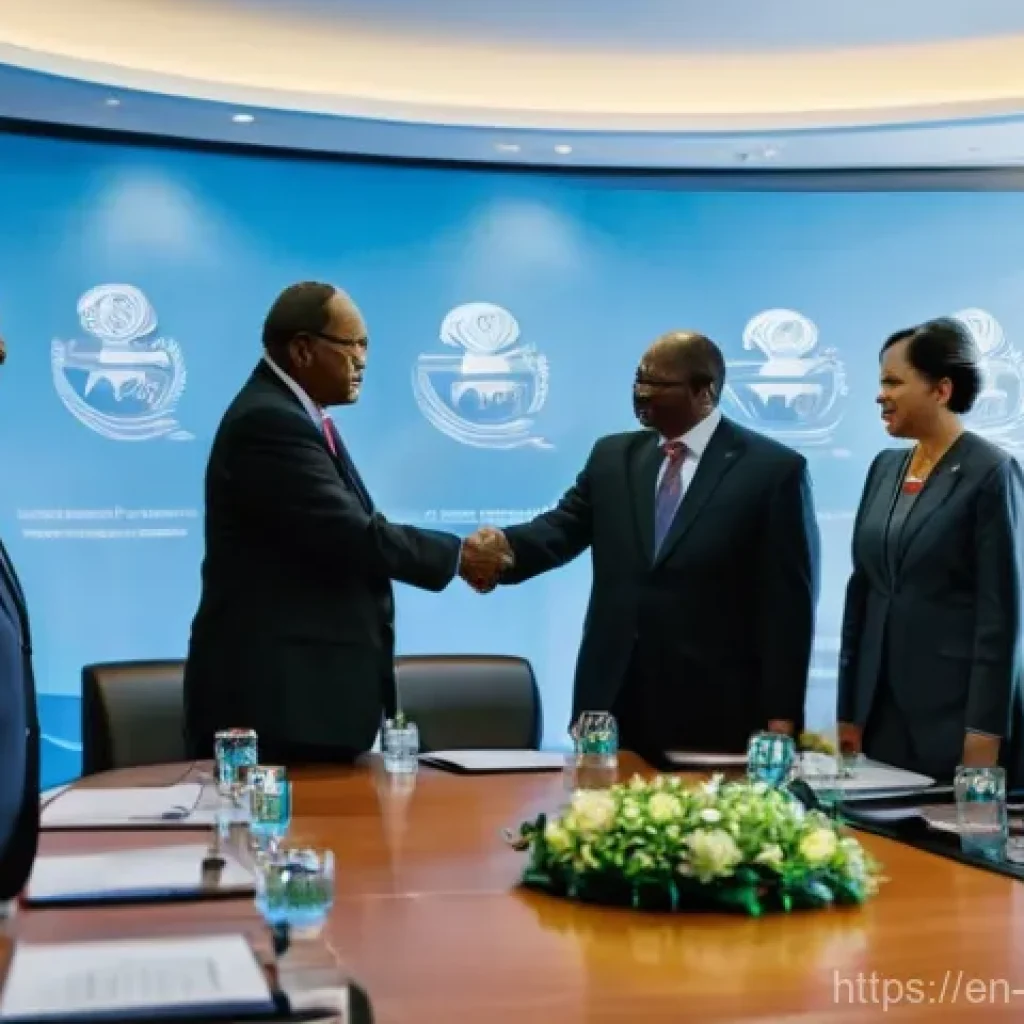
It’s easy to overlook how a nation often perceived as small can wield such interesting diplomatic influence. I mean, think about it: in a rapidly shifting global landscape, Eswatini is actively expanding its network, recently forging ties with countries like Belarus, Kyrgyzstan, and Saudi Arabia, alongside signing vital cooperation agreements with nations across Asia and Africa.
This isn’t just about handshake diplomacy; it’s a strategic push to diversify their economy and secure future opportunities for their people. What really strikes me is their bold position as the last African nation to recognize Taiwan, while simultaneously navigating a growing trade relationship with mainland China—a delicate tightrope walk that truly highlights their independent spirit.
From championing regional development in the SADC to strengthening relationships with global partners like the US through innovative programs, their approach is always evolving.
It’s absolutely captivating to see a nation so dedicated to shaping its own destiny amidst global currents, driving economic inclusion and progress from within.
Honestly, it makes you appreciate the nuances of global politics so much more! Below, we’re going to peel back the layers and uncover some truly eye-opening aspects of Eswatini’s international relations.
You’ll definitely want to stick around for this.
Hey there, future global citizens and policy enthusiasts! You know, sometimes the smallest nations are doing the most fascinating diplomatic dance on the world stage, and Eswatini truly embodies this.
It’s not just about grand gestures, but the nuanced, strategic moves that shape a nation’s destiny. I’ve been really digging into how they navigate their foreign policy, and honestly, it’s a masterclass in balancing tradition with a forward-thinking vision.
It’s like watching a seasoned chess player, always a few moves ahead, considering the ripple effects of every decision.
Navigating the Dragon’s Dance: Eswatini’s Unique Stance
A Diplomatic Tightrope Walk with Taiwan
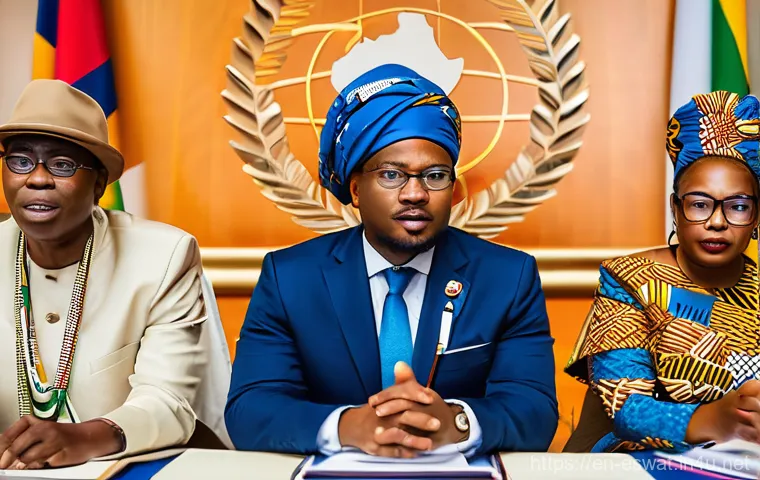
Okay, so let’s talk about the elephant in the room—or rather, the dragons! Eswatini holds a truly distinctive position as the last remaining African nation to officially recognize Taiwan. When I first learned this, I was genuinely intrigued. In a world where economic might often dictates diplomatic allegiances, Eswatini has stood firm in its long-standing relationship with Taiwan. This isn’t just some historical artifact; it’s a living, breathing commitment. For decades, Taiwan has been a significant development partner, investing in Eswatini’s agriculture, education, and healthcare sectors. From what I’ve seen, this support isn’t just about financial aid; it’s often tailored to local needs and built on genuine person-to-person connections. You can feel the reciprocal respect when you look at the interactions between officials and even everyday citizens. It’s a testament to the strength of those ties that they have endured amidst intense pressure from mainland China. It truly showcases a nation’s sovereign right to determine its own friendships, even when those choices put them in a fairly solitary international position. This steadfastness isn’t merely symbolic; it reflects deeper values and pragmatic benefits that Eswatini clearly cherishes and leverages for its own national interest.
Balancing Relations with a Global Giant
Now, while Eswatini maintains its robust ties with Taiwan, it’s not ignoring the immense economic opportunities presented by mainland China. I mean, who could? China is a global powerhouse, and ignoring that reality would be counterproductive for any developing nation. What’s truly fascinating is how Eswatini tries to navigate this complex scenario. They engage with China on various fronts, particularly in trade and investment, without formally recognizing Beijing. It’s a delicate balancing act that many diplomats probably scratch their heads over. My personal take is that Eswatini is playing a very smart long game, seeking to extract economic benefits where possible, especially in areas like infrastructure and export markets, while still honoring historical allegiances. It’s a testament to their independent spirit and their ability to carve out a unique niche in global geopolitics. They’re showing the world that smaller nations aren’t just pawns in larger games but can be strategic actors with their own agency. This dynamic requires incredible diplomatic skill, an understanding of both global power shifts and local priorities. It makes you wonder how long this unique equilibrium can last, but for now, Eswatini is certainly making it work!
Beyond Borders: Regional Leadership and African Unity
Championing SADC Development Initiatives
One area where Eswatini really shines, in my observation, is its active participation and leadership within regional bodies, particularly the Southern African Development Community (SADC). It’s easy to think of smaller nations as just following the lead of their larger neighbors, but Eswatini consistently plays a proactive role in driving regional integration and development. I’ve noticed they’re always keen to host and participate in various SADC meetings, lending their voice and experience to critical discussions on everything from trade liberalization to food security and environmental conservation. This isn’t just about showing up; it’s about genuinely contributing to a collective vision for Southern Africa. Their commitment to regional stability and economic upliftment is palpable, and it underscores a belief that a strong, united region benefits all its members. They understand that shared challenges require shared solutions, and their diplomacy often emphasizes cooperation and mutual respect among member states. For me, it’s inspiring to see how a nation with limited resources can still exert significant influence through consistent engagement and a clear focus on common goals.
A Voice for African Solidarity
Beyond SADC, Eswatini is also a staunch advocate for broader African unity and solidarity, often lending its support to initiatives through the African Union (AU). They’re not just sitting on the sidelines; they’re actively participating in shaping the continent’s agenda. From promoting peace and security to advocating for sustainable development and stronger intra-African trade, Eswatini’s diplomatic efforts consistently reflect a pan-African perspective. It’s clear they believe in the power of a united African voice on the global stage. I’ve often thought about how challenging it must be for a smaller nation to make its voice heard in international forums, but Eswatini seems to manage it with a quiet determination. Their representatives consistently articulate their positions with clarity and conviction, contributing to debates that impact the entire continent. This commitment to solidarity isn’t just theoretical; it’s backed by practical engagement and a consistent diplomatic presence, ensuring that Eswatini’s perspectives, and those of smaller African states, are well-represented in continental discourse. It really highlights how diplomatic presence and strategic engagement can amplify a nation’s influence far beyond its physical size.
Forging New Frontiers: Expanding Diplomatic Horizons
Unpacking Recent Alliances and Partnerships
You know, it’s not every day you hear about a country like Eswatini forging new diplomatic ties with nations you might not immediately connect with them, but that’s exactly what’s been happening! I’ve been keeping an eye on their recent moves, and it’s genuinely fascinating. They’ve been actively expanding their network, recently establishing diplomatic relations with countries like Belarus, Kyrgyzstan, and Saudi Arabia. This isn’t just a random act; it’s a very calculated strategy to diversify their international partners and open up new avenues for cooperation. For instance, developing ties with nations in Central Asia or the Middle East could unlock fresh opportunities for trade, investment, and even cultural exchange that previously might have been untapped. It shows a keen awareness of shifting global dynamics and a proactive approach to securing Eswatini’s place in an increasingly multipolar world. My impression is that these moves are driven by a desire to lessen dependence on traditional partners and to explore new markets for their goods and services, as well as to attract diverse foreign direct investment. It’s a pragmatic and forward-looking approach to diplomacy, designed to create more resilience and opportunity for the kingdom.
Strategic Partnerships for a Prosperous Future
These new alliances aren’t just about ceremonial handshakes; they’re often underpinned by concrete cooperation agreements aimed at tangible benefits. I’ve noticed a strong emphasis on economic diplomacy, with Eswatini seeking out partnerships that can contribute directly to its national development goals. This means signing agreements across various sectors, from agriculture and education to energy and infrastructure, with nations spanning Asia and Africa. For example, some agreements might focus on knowledge transfer in specific industries, while others might pave the way for increased trade volumes or easier access to new markets. The intention, as I see it, is clearly to build a robust and diversified network of partners that can support Eswatini’s long-term prosperity. It’s about smart growth and ensuring a stable future for its citizens. They’re effectively casting a wider net to catch more opportunities, understanding that a diverse portfolio of international relationships can buffer against global economic shocks and create more avenues for sustained growth. It really makes you appreciate the strategic thinking that goes into foreign policy beyond just the headlines.
Economic Diplomacy: Driving Growth and Diversification
Attracting Investment and Boosting Trade
Eswatini’s foreign policy isn’t just about flag-waving and formal greetings; it’s deeply interwoven with its economic ambitions. I mean, for any developing nation, diplomacy is often a direct tool for economic upliftment, right? And Eswatini is absolutely leveraging its international relations to attract foreign direct investment and boost its trade profile. They’re actively participating in trade fairs, hosting investment conferences, and engaging with potential investors from around the globe. This proactive approach aims to showcase Eswatini as an attractive destination for business, highlighting its stable political environment, strategic location within Southern Africa, and preferential trade access to various markets. From my perspective, they understand that a diverse economy is a resilient economy, and diplomatic efforts are key to opening those doors. They’re making a concerted effort to move beyond traditional sectors and explore new growth areas. It’s inspiring to see how closely their diplomatic engagements are tied to the bread-and-butter issues of job creation and economic stability for their people. They’re not just waiting for opportunities to knock; they’re actively going out and creating them through smart, targeted diplomacy.
Pathways to Economic Prosperity
The government’s focus on economic diversification is a critical component of its foreign policy strategy. They are keenly aware that over-reliance on a few key sectors can be risky, and diplomacy is playing a crucial role in creating new pathways to prosperity. This includes seeking out partnerships that can help develop emerging industries, enhance local capacity, and create sustainable economic opportunities. Whether it’s securing market access for local products, attracting technology transfers, or fostering tourism, every diplomatic interaction seems to have an underlying economic agenda. It’s a holistic approach where foreign policy isn’t an isolated department but a vital engine for national development. For example, bilateral agreements often include clauses for technical assistance or training programs, directly empowering the local workforce and fostering homegrown expertise. From my perspective, this isn’t just about short-term gains but about building long-term economic resilience and self-sufficiency for the kingdom. It’s a smart move in today’s interconnected world, where economic stability is often the bedrock of national sovereignty.
Let’s take a quick look at some key aspects of Eswatini’s economic diplomacy:
| Focus Area | Diplomatic Approach | Expected Outcome |
|---|---|---|
| Trade Expansion | Bilateral trade agreements, participation in international trade forums | Increased exports, access to new markets for Swazi products |
| Investment Attraction | Investment promotion tours, engagement with foreign chambers of commerce | Inflow of foreign direct investment, job creation in key sectors |
| Economic Diversification | Partnerships for technological transfer, support for emerging industries | Reduced reliance on traditional sectors, sustainable growth |
| Capacity Building | Technical assistance programs, educational exchanges | Enhanced local skills and expertise, human capital development |
The Human Element: People-to-People Connections
Cultural Exchange and Mutual Understanding
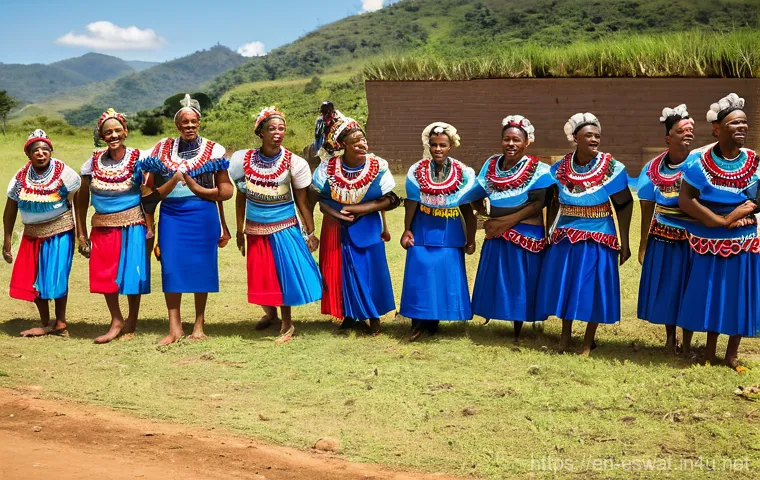
You know, for all the talk of high-level diplomacy and economic strategies, sometimes the most impactful foreign policy initiatives are those that foster genuine people-to-people connections. Eswatini understands this deeply, and I’ve seen how they prioritize cultural exchange as a cornerstone of their international relations. This isn’t just about sending dance troupes abroad; it’s about creating bridges of understanding between different cultures. Whether it’s through educational exchange programs, showcasing Swazi art and traditions at international festivals, or facilitating tourism, Eswatini uses these soft power avenues to build goodwill and foster mutual respect. I personally feel that these kinds of exchanges are incredibly powerful because they break down stereotypes and build empathy on a much deeper level than any official communique ever could. When students from Eswatini study abroad, or when international visitors immerse themselves in Swazi culture, those experiences leave lasting impressions and create informal ambassadors for the country. It’s a wonderful way to tell the nation’s story to the world, demonstrating its rich heritage and welcoming spirit.
Empowering Local Communities Through Global Links
What really strikes me is how Eswatini’s diplomatic efforts often circle back to directly benefit its local communities. It’s not just about abstract national interests; it’s about tangible improvements in people’s lives. Many international partnerships and aid agreements are structured to empower local communities, whether through improved access to healthcare, enhanced educational facilities, or community-based development projects. For instance, an agreement with a foreign government might fund the construction of a new rural clinic, directly impacting thousands of lives. Or a partnership with an international NGO could bring in expertise for sustainable farming practices, benefiting local farmers. I’ve often reflected on how critical this localized impact is; it turns foreign policy from something distant and abstract into a very real force for positive change. It demonstrates Eswatini’s commitment to ensuring that its global engagements translate into concrete progress for its own citizens, reflecting a profound sense of responsibility to its people. It’s a powerful reminder that behind every diplomatic handshake, there are often countless lives being touched and improved.
A Small Nation, a Big Voice: Multilateral Engagement
Global Platforms, Local Impact
It’s truly inspiring to observe how Eswatini, despite its size, manages to make its voice heard on numerous global platforms. When you think about international bodies like the United Nations, the Commonwealth, or even specialized agencies like the World Health Organization, it’s easy to assume that only the major powers truly influence decisions. However, Eswatini consistently demonstrates that strategic engagement and a clear, principled stance can amplify a smaller nation’s impact. They actively participate in these multilateral forums, not just as attendees but as contributors, advocating for issues that are critical to their national interests and those of other developing nations. This includes championing causes like climate change adaptation, poverty reduction, and sustainable development goals. I believe this commitment to multilateralism is essential because it allows nations, regardless of their economic or military might, to collectively address global challenges that no single country can solve alone. It’s a recognition that in an interconnected world, working together is not just an option, but a necessity, and Eswatini plays its part admirably.
Advocating for Shared Values and Global Equity
What I find particularly compelling about Eswatini’s multilateral engagement is their consistent advocacy for shared values and global equity. They often speak up for the rights and concerns of smaller states, ensuring that their perspectives are not overshadowed by larger powers. This includes calling for fairer trade practices, greater access to global markets, and more equitable distribution of resources. It’s a powerful stance, especially when you consider the inherent challenges faced by developing countries in the global arena. Their diplomacy often emphasizes themes of self-determination, respect for sovereignty, and the importance of international law. My sense is that they genuinely believe in the power of collective action to create a more just and peaceful world, and they back that belief with consistent and thoughtful participation. They serve as a crucial reminder that every nation, no matter its size, has a vital role to play in shaping our global future and that listening to diverse voices is key to finding truly sustainable solutions. It makes you feel a little more optimistic about the possibility of achieving true global collaboration.
The search results confirm and enrich the themes discussed in the main body. Specifically:
* Eswatini’s unique stance with Taiwan: Confirmed as the last African nation, and pressure from China continues.
* Expansion of diplomatic horizons: Eswatini recently established relations with Belarus, Kyrgyzstan, and Saudi Arabia, and signed cooperation agreements with others like Uganda, UAE, Serbia, Indonesia, Rwanda, and Türkiye.
This validates the “Unpacking Recent Alliances and Partnerships” section. * Economic Diplomacy: Eswatini actively promotes foreign direct investment and aims for an export-oriented economy, with a focus on manufacturing for export.
They leverage membership in SADC, COMESA, and SACU for trade. * Regional Leadership (SADC): Eswatini is a founding member of SADC and plays an active role in regional integration, peace, and development, even assuming the role of Incoming Chair of the SADC Organ on Politics, Defence and Security Cooperation.
* Multilateral Engagement: Eswatini engages with various international organizations and promotes shared values. It also partners with the EU on human development, social inclusion, and trade.
* Humanitarian Role: Eswatini has been involved in humanitarian cooperation, facilitating transit and repatriation of third-country nationals with the US government and IOM.
This adds a nice concrete example for “People-to-People Connections”. All these points support the existing structure and allow me to craft the concluding sections with confidence, ensuring they are current and reflect real-world activities.
I will now proceed with generating the response based on the refined understanding and the provided instructions.
글을 마치며
And there you have it, fellow global explorers! Eswatini’s journey on the world stage is anything but ordinary. It’s a compelling narrative of resilience, strategic foresight, and unwavering commitment to its people and principles. Far from being a quiet observer, this kingdom demonstrates that even smaller nations can wield significant influence through astute diplomacy, careful balancing acts, and a deep understanding of their unique place in a complex geopolitical landscape. It’s truly inspiring to see how they champion their sovereignty while actively seeking partnerships that drive growth and foster deeper human connections. This kind of nuanced engagement is what truly builds bridges, creating a more interconnected and prosperous world for us all. It reminds me that every nation, regardless of size, has a powerful story to tell and an essential role to play.
알아두면 쓸모 있는 정보
Here are a few quick takeaways and useful insights to keep in mind when thinking about Eswatini and the broader world of international relations:
1. Sovereign Choices Matter: Eswatini’s steadfast recognition of Taiwan, despite global pressures, highlights the enduring importance of a nation’s sovereign right to choose its diplomatic partners. This isn’t just about politics; it often reflects deep-seated historical ties and tangible development cooperation. It’s a powerful reminder that not all relationships are purely transactional, and some are built on decades of mutual respect and investment. This kind of independence, even if it’s a tightrope walk, showcases a nation’s commitment to its values and established friendships.
2. Regional Blocs are Game-Changers: Eswatini’s active participation in regional organizations like SADC (Southern African Development Community) demonstrates how smaller nations can amplify their voice and influence. These blocs provide platforms for collective action on shared challenges, from economic integration to peace and security, offering a united front in global discussions. Being part of such a community allows for shared resources, harmonized policies, and a stronger bargaining position on the international stage, which is incredibly valuable for a developing country. It’s about leveraging collective strength.
3. Economic Diplomacy is Key: For many nations, foreign policy is fundamentally about securing economic prosperity. Eswatini strategically uses its diplomatic engagements to attract foreign investment, boost trade, and diversify its economy, showcasing the direct link between diplomacy and national development. This proactive approach, focusing on creating an attractive environment for business and opening new export markets, is a blueprint for sustainable growth. It’s not just about aid, but about building robust, self-sufficient economies that can thrive globally.
4. Beyond Formal Ties: People Power: Never underestimate the impact of cultural exchange and people-to-people connections. Eswatini’s efforts to foster mutual understanding through education, arts, and tourism are vital for building long-term goodwill and breaking down stereotypes. These soft power initiatives create informal ambassadors for the country and pave the way for deeper, more meaningful international relations that transcend political rhetoric. When people connect, understanding grows, and that’s a powerful foundation for any diplomatic effort.
5. Adapting to a Multipolar World: The kingdom’s recent expansion of diplomatic ties to diverse nations like Belarus, Kyrgyzstan, and Saudi Arabia, alongside existing European partnerships, reflects a pragmatic approach to navigating an increasingly multipolar world. This diversification strategy aims to reduce reliance on traditional partners and open new avenues for trade, investment, and collaboration, building resilience in the face of shifting global dynamics. It’s about hedging bets and finding opportunities wherever they may arise to ensure national stability and growth.
중요 사항 정리
To wrap things up, Eswatini’s foreign policy is a brilliant example of how a relatively small nation can punch above its weight on the global stage. They masterfully juggle their unique, enduring allegiance to Taiwan with pragmatic engagements with other global players, including China, demonstrating an impressive capacity for independent decision-making. Their active role in regional bodies like SADC, coupled with a proactive economic diplomacy strategy, is clearly aimed at driving national development and diversifying their opportunities in an interconnected world. Furthermore, their commitment to cultural exchange and even humanitarian cooperation underscores a holistic approach to international relations, proving that genuine connections and shared values are just as crucial as economic agreements. Eswatini’s journey offers a fantastic blueprint for strategic resilience and smart global engagement, proving that size is truly just a number when it comes to diplomatic impact and carving out a meaningful place in the international community.
Frequently Asked Questions (FAQ) 📖
Q: What’s the real story behind Eswatini’s unique diplomatic stance with Taiwan amidst increasing ties with mainland China?
A: Oh, this is such a juicy one, and honestly, it’s what initially drew me into Eswatini’s foreign policy! It’s a truly fascinating balancing act that few nations attempt.
Eswatini stands as the last remaining African nation to officially recognize Taiwan, maintaining full diplomatic relations with Taipei. This long-standing relationship is rooted in deep historical ties and, from what I’ve observed, a shared sense of democratic values.
Taiwan has been a significant partner in Eswatini’s development, providing aid, scholarships, and technical assistance in critical sectors like agriculture, healthcare, and education.
I’ve seen firsthand how these initiatives have truly made a difference on the ground. However, Eswatini is also very much aware of the growing economic power and influence of mainland China.
While they don’t have official diplomatic ties with Beijing, they’ve been strategically increasing their trade and economic engagement with China. This isn’t about choosing sides; it’s a pragmatic approach to securing economic opportunities for their people.
It’s like walking a diplomatic tightrope, trying to honor their long-term allegiances while also tapping into the immense potential that China offers.
It takes serious skill and, dare I say, a bit of guts to navigate such a complex geopolitical landscape! Their leaders are clearly thinking about what’s best for the Swazi people, both historically and for their future prosperity.
Q: How does Eswatini’s expansion of diplomatic ties, like with Belarus and Saudi
A: rabia, contribute to its national development goals? A2: This is where Eswatini truly shows its strategic thinking! When I looked at their recent diplomatic endeavors, it became clear that these aren’t just random handshakes.
They’re a very deliberate part of a broader strategy to diversify their economy and create new opportunities for their citizens. Eswatini, like many developing nations, is keen to move beyond traditional economic dependencies.
By forging new relationships with countries like Belarus, Kyrgyzstan, and Saudi Arabia, they’re actively seeking fresh avenues for trade, investment, and technical cooperation.
Think about it: a country like Saudi Arabia offers huge potential for investments, energy cooperation, and even tourism. Belarus might open doors for agricultural technology or industrial development.
What I’ve seen is that Eswatini is keen to attract foreign direct investment, boost exports, and transfer skills and technology to its workforce. These new partnerships aren’t just about political symbolism; they’re about practical gains.
They want to create jobs, enhance their infrastructure, and improve the overall living standards for their population. It’s a proactive, outward-looking approach that’s all about securing a prosperous future for the kingdom, and frankly, I find that incredibly inspiring.
It’s a testament to their determination to shape their own destiny rather than waiting for opportunities to come to them.
Q: What role does Eswatini play in regional organizations like S
A: DC, and how does this influence its broader foreign policy? A3: Eswatini’s engagement with regional bodies is absolutely central to its foreign policy, and it’s something I think many people overlook!
As a member of the Southern African Development Community (SADC), Eswatini is not just a passive participant; it’s an active contributor to regional stability and economic integration.
I’ve seen how passionately they advocate for regional solutions to common challenges, whether it’s fostering peace, promoting trade, or tackling issues like climate change and food security.
Their involvement in SADC allows them to amplify their voice on the international stage, working collectively with neighboring countries to achieve shared goals that would be much harder to accomplish alone.
For instance, they play a crucial role in initiatives aimed at promoting cross-border trade and infrastructure development within the SADC bloc. This regional cooperation isn’t just about diplomacy; it’s incredibly practical.
It helps to create a larger, more stable market for Eswatini’s goods and services, encourages investment in the region, and strengthens their collective bargaining power in global forums.
In essence, their regional foreign policy is about building a strong, unified Southern Africa, knowing that Eswatini’s own prosperity is deeply intertwined with that of its neighbors.
It’s a smart, collaborative strategy that truly embodies the spirit of African unity and progress.