Stepping into Eswatini, or as locals lovingly call it, eSwatini, the very air hums with a vibrant energy that’s utterly infectious. Beyond the stunning landscapes, what truly captivated me on my first visit was the kaleidoscope of local craftsmanship.
I remember holding a smooth, intricately carved wooden figure, feeling the warmth of the sun-baked wood and imagining the artisan’s hands shaping it. It’s not just about buying a memento; it’s a direct connection to the skilled hands and rich history of the Swazi people, a stark contrast to mass-produced items you find elsewhere.
In a world increasingly focused on authenticity and ethical sourcing, Eswatini’s souvenirs stand out as genuine treasures, each piece telling a unique story of tradition and community.
You’re not just taking home a beautiful object; you’re investing in livelihoods and helping preserve age-old artistry. Let’s delve deeper into what makes these keepsakes so special and where you can find them.
Stepping into Eswatini, or as locals lovingly call it, eSwatini, the very air hums with a vibrant energy that’s utterly infectious. Beyond the stunning landscapes, what truly captivated me on my first visit was the kaleidoscope of local craftsmanship.
I remember holding a smooth, intricately carved wooden figure, feeling the warmth of the sun-baked wood and imagining the artisan’s hands shaping it. It’s not just about buying a memento; it’s a direct connection to the skilled hands and rich history of the Swazi people, a stark contrast to mass-produced items you find elsewhere.
In a world increasingly focused on authenticity and ethical sourcing, Eswatini’s souvenirs stand out as genuine treasures, each piece telling a unique story of tradition and community.
You’re not just taking home a beautiful object; you’re investing in livelihoods and helping preserve age-old artistry. Let’s delve deeper into what makes these keepsakes so special and where you can find them.
The Soulful Artistry of Swazi Wood Carvings
Whispers of the Wild in Hand-Carved Forms
My first encounter with Swazi wood carvings wasn’t in a shop, but at a bustling local market, where the scent of sawdust mingled with the sweet aroma of cooking food.
I was immediately drawn to a stall brimming with figures that seemed to hum with life: majestic elephants with raised trunks, watchful leopards, and figures of traditional Swazi chiefs, each rendered with incredible detail and a profound sense of character.
It was clear these weren’t mere decorative objects; they were stories etched in wood, carrying the spirit of the Swazi landscape and its people. The artisans, often working right there amidst the chatter, use local hardwoods like kiaat or tambuti, which gives each piece a unique grain and a wonderful weight.
I remember picking up a small warthog, its textured hide meticulously carved, and feeling the warmth of the wood against my palm – it was as if I could feel the animal’s very essence.
This tactile connection is something you just don’t get with factory-made items.
Connecting with the Carvers: A Story in Every Grain
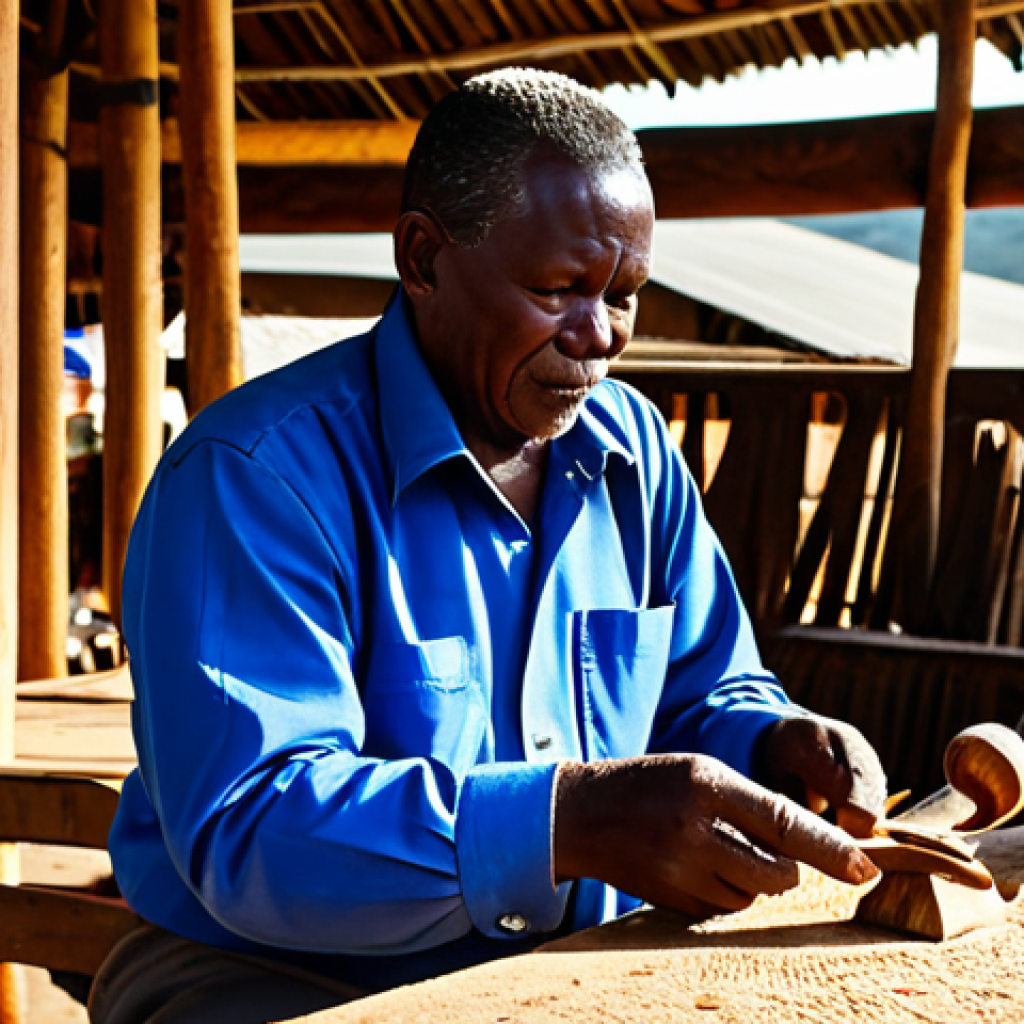
What truly elevates these carvings beyond simple souvenirs is the opportunity to meet the artists themselves. I spent a good hour one afternoon chatting (through a combination of broken English and enthusiastic gestures) with a carver named Thabo, whose hands were gnarled but incredibly dexterous.
He explained how each piece begins not just with a block of wood, but with an idea, a vision rooted in Swazi culture, folklore, or the animal kingdom.
He showed me how different chisels and knives coax out the intricate patterns, sometimes taking days or even weeks for larger, more complex pieces. The pride in his eyes as he showed off a nearly finished lion was palpable.
This personal interaction transforms a transaction into a truly memorable cultural exchange, making the piece you take home far more than just an object; it becomes a shared memory.
I learned that the slightly uneven surfaces or unique imperfections are not flaws, but rather the unique signature of the human hand, a testament to the artisan’s individual touch.
Weaving Traditions: The Vibrant Tapestry of Swazi Textiles
From Sheep to Stunning: The Journey of a Mohair Masterpiece
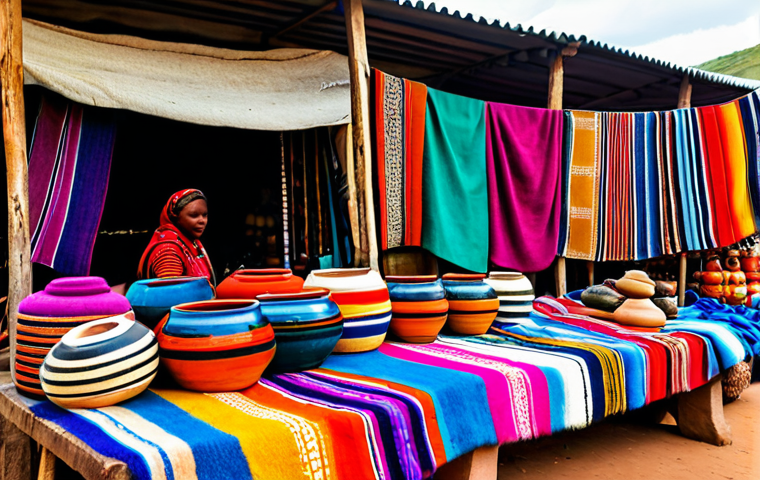
Oh, the colours! Walking into a textile shop in Eswatini is like stepping into a rainbow. The mohair products, in particular, are simply breathtaking.
Swaziland is famous for its high-quality mohair, sourced from Angora goats, and the skill with which it’s transformed into scarves, blankets, and even intricate tapestries is truly astounding.
I distinctly remember running my fingers over a sumptuously soft throw blanket, its colours a vibrant blend of sunset oranges, deep purples, and earthy greens.
It wasn’t just soft; it had a certain weight and warmth that promised comfort on cooler evenings. The designs often incorporate traditional Swazi patterns, geometric shapes, and natural motifs, each telling a story or representing an aspect of Swazi life.
These aren’t mass-produced items; they’re handcrafted with immense care, often on traditional looms, by local women who have honed their craft over generations.
Fashioning Identity: Unique Styles and Everyday Elegance
Beyond the luxurious mohair, you’ll find an incredible array of patterned fabrics, often used for traditional attire but also adapted into modern accessories like tote bags, headwraps, and even stylish clothing items.
I picked up a simple but striking patterned scarf that felt both lightweight and incredibly durable. It’s amazing how a simple piece of fabric can carry so much cultural weight and artistic expression.
What I love about these textiles is their versatility – they can be a bold statement piece or a subtle nod to the rich culture of Eswatini. My personal experience has shown that these items hold up incredibly well to everyday use, proving their quality beyond mere aesthetic appeal.
They are not just pretty things; they are practical, durable, and steeped in cultural significance.
Echoes of the Land: Traditional Swazi Pottery
Earthen Vessels, Enduring Stories
There’s something incredibly grounding about handmade pottery, and Swazi ceramics are no exception. Each piece feels like it’s been pulled directly from the earth itself, shaped by human hands, and fired with care.
I visited a small collective near the Malkerns Valley where women were meticulously hand-coiling clay pots, some for cooking, others for decorative purposes.
The natural, earthy tones — often browns, reds, and blacks — are derived from the local clays, and the textures range from smooth and polished to wonderfully coarse and tactile.
I was particularly captivated by the intricate incised patterns on some of the larger vessels, which felt both ancient and timeless. These aren’t the perfectly symmetrical, factory-made ceramics you see everywhere; each has its own unique character, a slight wobble, a thumbprint, a testament to the human touch that created it.
Utility Meets Art: Bringing Swazi Clay Home
While many pieces are functional – ideal for storing grains or water, or even for traditional beer brewing – they also make stunning decorative items.
I ended up purchasing a beautifully simple, unglazed pot that now sits on my bookshelf, a constant reminder of the warm, dusty air of Eswatini. It’s a wonderful example of how art and utility can merge seamlessly.
The beauty lies in their simplicity and authenticity. They tell a story of sustainable living and connection to the land. When I hold it, I can almost smell the earth, feel the sun, and hear the gentle hum of the village where it was made.
They are truly pieces of art that can serve a purpose in your home, connecting you daily to the heart of Eswatini.
Rhythmic Treasures: Musical Instruments and Artisanal Jewelry
The Beat of Eswatini: Hand-Crafted Instruments
The sound of Eswatini is as captivating as its sights. Traditional musical instruments, often made from natural materials, offer a unique way to bring a piece of the country’s vibrant culture home.
I vividly recall watching a musician at the Mantenga Cultural Village playing a *ligubu* (a musical bow) and feeling the vibrations resonate through the very ground.
The craftsmanship that goes into these instruments, from the intricate carvings on a *sitolotolo* (mouth harp) to the careful construction of a *umtshingo* (flute), is truly impressive.
While some are best left to professional musicians, smaller, simpler instruments make fantastic, authentic souvenirs. I even tried my hand at playing a small drum, its skin taut and resonant, and while my rhythm was questionable, the experience of holding and playing an instrument made by a Swazi artisan was incredibly special.
These aren’t just decorative; they carry the very soul of Swazi rhythm and tradition.
Adornments with a Story: Unique Swazi Jewelry
Swazi jewelry, often incorporating natural elements like seeds, wood, bone, and colorful beads, offers a more intimate connection to local artistry. I was drawn to a necklace made from small, polished seeds strung together with tiny, vibrant glass beads.
Each seed felt smooth and organic, and the combination of colours was both earthy and lively. Unlike mass-produced items, you can often see the subtle variations in the beads, the slight imperfections that tell you a human hand painstakingly assembled each piece.
Many pieces are designed to be worn for various ceremonies or as everyday adornments, reflecting personal status or tribal affiliation. I remember a woman at a local craft market explaining the symbolism behind the colors of the beads in a bracelet I admired; it wasn’t just pretty, it conveyed a message.
This makes each piece not just an accessory, but a conversation starter, a tiny wearable piece of Swazi heritage.
From the Earth’s Embrace: Natural Products and Ethical Souvenirs
The Sweet Scent of Eswatini: Beeswax and Honey Products
Eswatini is home to a thriving beekeeping industry, and the local honey and beeswax products are divine. I visited a small farm where they demonstrated the process of harvesting honey, and the passion the farmers had for their bees was infectious.
The honey itself is rich, flavourful, and varies subtly depending on the blossoms the bees visit. But it’s the beeswax products that often surprise visitors.
From beautifully scented candles that fill a room with a soft, natural glow to luxurious hand creams and lip balms, these items are both practical and wonderfully indulgent.
I stocked up on the beeswax lip balm, and it’s become an essential part of my daily routine; it feels so much richer and more effective than anything I’ve bought elsewhere.
Knowing that I was supporting local, sustainable practices made these purchases even sweeter.
Healing Hands and Natural Remedies: Traditional Herbal Products
A fascinating aspect of Swazi culture is its deep connection to traditional healing and natural remedies. While not always sold as typical “souvenirs,” you can find locally sourced herbal teas, essential oils, and infused balms in some craft markets or specialized stores.
I was intrigued by a vendor selling small bundles of dried herbs, explaining their historical uses for various ailments. Of course, always exercise caution and research when it comes to consuming or applying traditional remedies, but the opportunity to learn about these age-old practices and perhaps purchase a beautifully packaged herbal tea blend provides another layer of authentic engagement with the local culture.
It’s a chance to take home a piece of Swazi wisdom, carefully harvested from the bountiful natural landscape.
The Ethics of Eswatini Souvenirs: Shopping with Purpose
Beyond the Purchase: Supporting Local Livelihoods
When you buy a souvenir in Eswatini, you’re not just acquiring an object; you’re directly contributing to the livelihoods of artisans and their communities.
I saw firsthand how many of these crafts are the primary source of income for families, especially in rural areas. My experience of haggling (gently, always gently and with a smile!) for a carved mask at a roadside stall made me realize that even a small purchase can make a significant difference.
It’s a chance to practice responsible tourism, ensuring that your money stays within the local economy and directly benefits the talented individuals who pour their heart and soul into their creations.
It feels good knowing that my purchase directly empowered a local artisan to continue their craft and provide for their family.
Ensuring Authenticity and Fair Trade Practices
The beauty of shopping in Eswatini is that many places, especially the larger craft markets and cultural villages, are set up to ensure fair trade practices.
Many cooperatives or government-supported initiatives ensure that artisans receive a fair price for their work. When in doubt, look for signs of direct engagement with the artisans, or ask questions about where the products come from.
I found that most vendors were incredibly open and proud to share the story behind their goods. This transparency builds trust and makes the entire shopping experience feel more meaningful.
It transforms a simple transaction into an act of support, preserving traditional skills and empowering communities.
| Souvenir Type | Typical Price Range (SZL/USD approx.) | Where to Find It | Key Takeaway |
|---|---|---|---|
| Wood Carvings | SZL 100 – 1500+ / USD 5 – 80+ | Local markets (e.g., Mbabane Market), roadside stalls, craft villages | Each piece is unique, reflecting local wildlife & culture. Look for imperfections – they’re part of its charm! |
| Mohair Textiles | SZL 200 – 3000+ / USD 10 – 160+ | Gone Rural (Lomahasha), Ngwenya Glass Complex shops, various craft shops | Incredibly soft, vibrant, high-quality. A luxurious and warm reminder of Eswatini. |
| Traditional Pottery | SZL 80 – 500+ / USD 4 – 25+ | Artisan collectives, cultural villages, some larger markets | Earthy tones, handmade feel, often functional as well as decorative. Supports local women artisans. |
| Beeswax Products | SZL 50 – 300 / USD 3 – 15 | Local farms, health shops, specialty stores | Sustainable and natural. Candles, balms, and pure honey – great for personal care or thoughtful gifts. |
| Beaded Jewelry | SZL 40 – 400 / USD 2 – 20 | Craft markets, street vendors, small boutiques | Colourful, unique, often symbolic. Lightweight and easy to pack. |
Navigating the Markets: Tips for a Memorable Shopping Experience
Embracing the Art of Gentle Negotiation
Bargaining, or *kubambelela* as they might say in SiSwati, is part of the fun in Eswatini’s markets, but it’s an art best practiced with respect and a good sense of humour.
It’s not about driving the price down to nothing; it’s about engaging in a friendly exchange, acknowledging the artisan’s skill and the value of their work.
I remember wanting a particular wooden giraffe and politely asking if there was any room on the price. The vendor smiled, offered a slight reduction, and we both walked away feeling happy.
It’s a dance, not a battle. Start with a counter-offer that’s reasonable, perhaps 10-20% below the initial asking price, and be prepared to meet somewhere in the middle.
Always approach it with a cheerful attitude, and remember that even a small difference in price can mean a lot to a local family. My personal tip: If you genuinely love a piece, don’t haggle too aggressively.
The good vibes are worth it!
Supporting Small Stalls and Roadside Finds
While the larger craft centers and villages offer a curated experience, don’t shy away from the smaller, more humble stalls you might find dotted along the roadsides or in less-trafficked areas.
These are often where you’ll discover truly unique gems and directly support individual artisans. I stumbled upon a tiny roadside stand selling hand-woven baskets, each one distinctly different from the last, obviously made by the woman sitting right there.
She beamed when I picked out a small, intricately woven one, and the pride in her eyes was priceless. These intimate encounters often lead to the most cherished souvenirs and unforgettable stories.
You’re not just buying an item; you’re connecting with the heart of Eswatini. These impromptu stops often provide some of the most authentic and rewarding shopping moments.
Wrapping Up
As my journey through Eswatini unfolded, each souvenir I brought home became a tangible reminder of the incredible people and vibrant culture I encountered. It’s more than just a beautiful object on a shelf; it’s a story, a connection to an artisan’s hands, and a piece of the warm Swazi spirit. These treasures aren’t just for adornment or display; they carry the very heart of the kingdom. So, as you explore this enchanting land, open your heart to the stories woven into every carving, bead, and textile, and take home a piece of Eswatini that will resonate with you for years to come. Your purchase is a bridge, connecting you to the enduring artistry and deep soul of a remarkable nation.
Useful Information
1. Cash is King (but cards are accepted in major spots): While larger craft centers like Ngwenya Glass Complex or Gone Rural accept cards, many local markets and roadside stalls operate on a cash-only basis. Having smaller denominations of the local currency (Eswatini Lilangeni, pegged to the South African Rand) is highly recommended for smoother transactions and easier bargaining.
2. Market Hours: Most open-air markets and craft stalls typically operate from early morning (around 8-9 AM) until late afternoon (4-5 PM). Weekend markets can be particularly lively and offer a wider selection, but confirm specific opening hours for larger establishments online or through local guides.
3. Shipping Options: If you’re buying larger items like significant wood carvings or textiles, inquire about shipping services. Some larger craft centers might offer this, or you may need to arrange it independently through local courier services. Always factor in potential shipping costs and customs duties for your home country.
4. Customs and Regulations: Be aware of your home country’s customs regulations regarding natural materials (wood, seeds, etc.) and animal products. While many items are fine, it’s always wise to check beforehand to avoid issues upon re-entry. Most reputable vendors will be able to advise if an item might pose an issue.
5. Responsible Tourism and Bargaining: As mentioned, gentle negotiation is part of the culture, but always respect the artisan’s work. Remember that your purchase directly supports families. If you’re unsure about fair prices, observe what locals are paying or ask your tour guide for general guidance. Prioritize supporting local, direct producers whenever possible.
Key Takeaways
Eswatini’s souvenirs are more than just objects; they are direct connections to the country’s rich culture, skilled artisans, and natural beauty.
Each purchase directly supports local livelihoods and helps preserve traditional craftsmanship.
Look for the unique imperfections and stories in handmade items – they signify authenticity and human touch.
Embrace the experience of connecting with artisans and understanding the cultural significance behind their creations.
Shopping in Eswatini is an act of responsible tourism, investing in the heart and soul of the kingdom.
Frequently Asked Questions (FAQ) 📖
Q: Beyond those captivating wooden figures, what other unique crafts are a must-see, or even a must-buy, when I’m exploring Eswatini?
A: Oh, you’re in for such a treat! While those carved wooden pieces are indeed mesmerizing and totally draw you in, Eswatini’s craft scene is so much richer.
I vividly remember stumbling upon these incredibly vibrant, hand-woven baskets, each one a different pattern and hue – it felt like holding a piece of the landscape itself.
They’re usually made from indigenous grasses, meticulously coiled and stitched by hand. Then there’s the incredible artistry at Ngwenya Glass; seeing them transform recycled glass bottles into stunning animal figures and functional art right before your eyes is just mind-blowing.
It’s not just a souvenir; it’s witnessing pure artistry in action, and the heat from the furnaces feels so real! And don’t even get me started on the intricate textiles and the beautiful, earthy pottery you’ll find in smaller, community-run shops.
Each piece truly whispers a story of the person who made it, and that’s what makes them so special.
Q: In a world full of mass-produced stuff, how can I really tell if I’m getting an authentic Swazi souvenir that genuinely supports local artists, rather than just some generic item?
A: That’s such an important question, and honestly, it’s something I thought about a lot on my trip. My best advice, truly, is to go straight to the source whenever you can.
Think beyond the big, flashy shops. I had this incredible experience at a small market stall where a woman was actually weaving a basket right there. You could see her hands at work, feel the texture of the materials, and when I bought a small mat from her, the pride in her eyes was palpable.
That’s the real deal. Look for places like local co-operatives or community craft centers – they often have artisans on site or clear labeling about where the products come from.
And don’t be afraid to ask! Swazi people are incredibly welcoming, and they’ll often be delighted to tell you about the piece’s origin or the person who made it.
If it feels too perfect, too uniform, or the price seems suspiciously low for something handmade, trust your gut. An authentic piece often has a unique imperfection, a little touch that shows human hands were involved, and that’s part of its charm.
Q: Okay, so I’m convinced! Where are the absolute best spots in Eswatini to hunt for these genuine, heartfelt keepsakes and soak in the local craft culture?
A: Alright, this is where the fun really begins! For a bustling, vibrant experience, you absolutely have to hit the Mbabane Market. It’s a sensory overload in the best possible way, with vendors selling everything from fresh produce to an incredible array of crafts.
I remember getting happily lost in the stalls for hours, just chatting with different sellers and soaking up the atmosphere. Another spot that truly left an impression on me is the area around Malkerns Valley, especially places like Gone Rural.
They create stunning hand-woven items, and knowing that you’re directly empowering women in rural communities just adds so much more meaning to your purchase.
And for something truly unique, make a point to visit Ngwenya Glass near the border – watching the glassblowers transform molten glass is an experience in itself, and their shop has a fantastic selection of finished pieces.
It’s not just about shopping; it’s about connecting with the heart of Swazi artistry, and each of these places offers that deep, authentic dive. Just remember to bring your sense of adventure and maybe a little patience – part of the charm is taking your time!
📚 References
Wikipedia Encyclopedia
구글 검색 결과
구글 검색 결과
구글 검색 결과
구글 검색 결과
구글 검색 결과