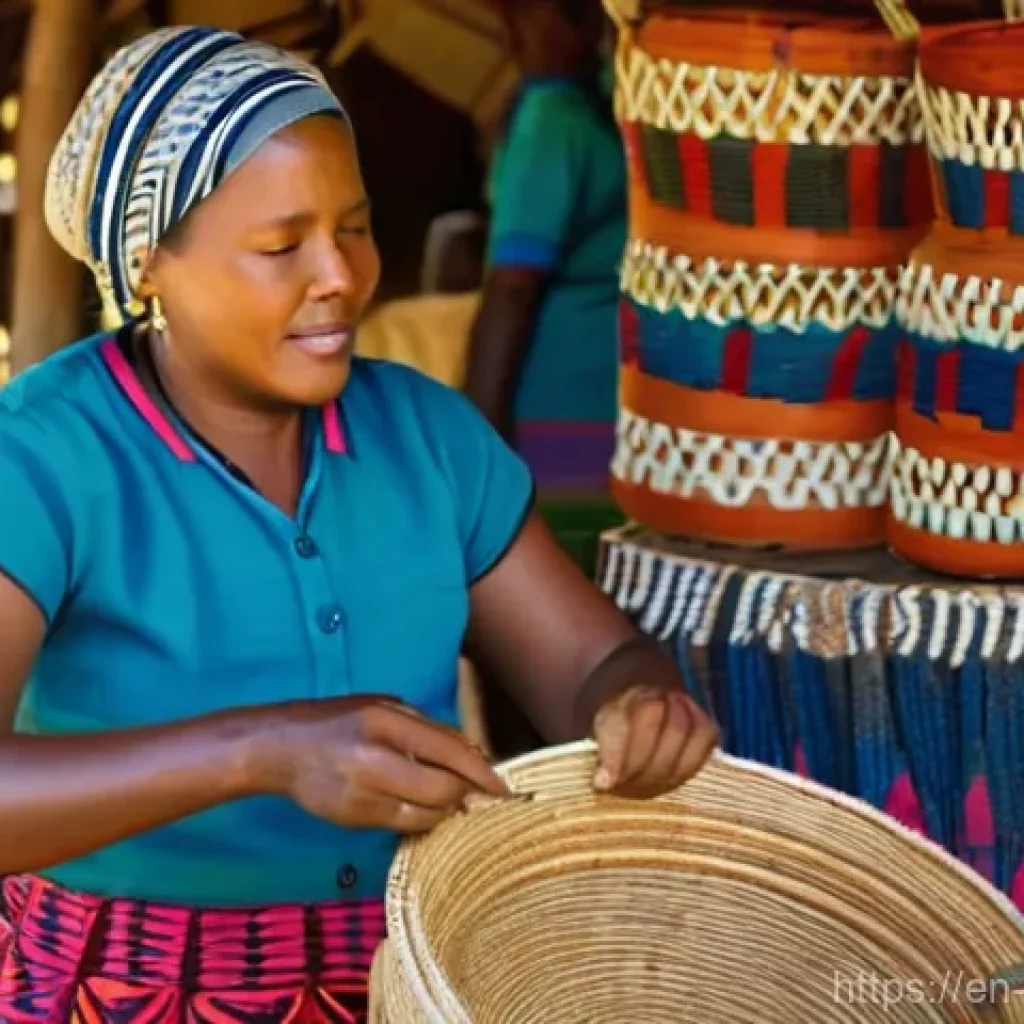
Stepping into a bustling market in a new country is, for me, one of the most thrilling parts of any adventure. It’s where the true pulse of a place beats strongest, and nowhere did I feel this more vividly than during my recent travels through Eswatini.
Forget those polished, sterile shopping centers; the real magic happens amidst the vibrant chaos of local bazaars, where every stall tells a story and every scent carries you deeper into the culture.
I’ve personally found that these aren’t just places to buy souvenirs; they’re living museums, offering a direct window into the heart and soul of the community, where traditional craftsmanship meets everyday life in an explosion of color and sound.
Wandering through markets like Manzini or the craft havens in Ezulwini, I was absolutely captivated by the sheer artistry on display – from the intricately woven baskets that seemed to hold generations of history to the dazzling beadwork that practically shimmered with local pride.
And let’s not even start on the food! My taste buds were on a continuous adventure, savoring spicy stews and sweet treats that were unlike anything I’d experienced before.
It’s moments like these, connecting with the friendly vendors and learning about their unique creations and culinary traditions, that truly make a trip unforgettable.
If you’re looking to dive headfirst into authentic experiences and truly support local livelihoods, you’re in the right place. Let’s uncover the secrets to making the most of Eswatini’s incredible markets and bazaars.
Authentic Cultural Immersion Beyond the Souvenirs
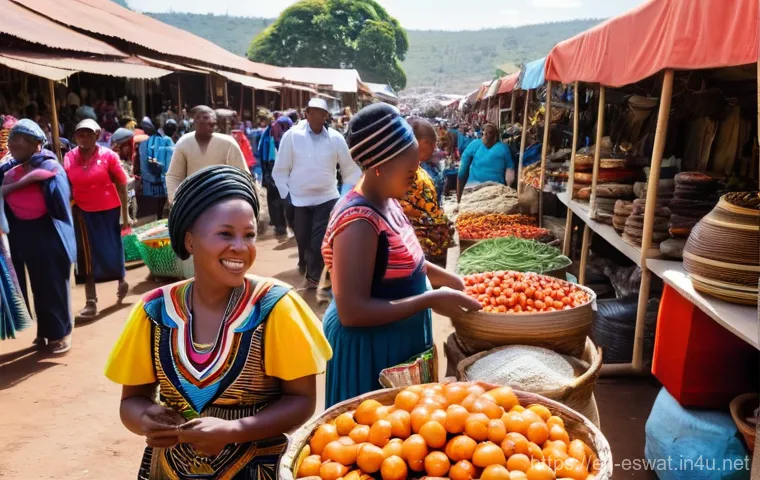
Stepping into Eswatini’s markets, like the bustling Manzini Market or the vibrant craft stalls dotted around Ezulwini, is truly an experience that transcends mere shopping.
For me, it felt less like a retail excursion and more like walking into a living, breathing museum where every corner held a new discovery. I remember vividly watching a woman deftly weaving intricate patterns into a sisal basket, her fingers moving with a practiced grace that spoke of generations of skill.
It’s moments like these, seeing the actual creation process and feeling the stories embedded in each piece, that really connect you to the heart of Swazi culture.
You’re not just buying an object; you’re taking home a piece of someone’s heritage and hard work. I’ve found that these markets offer an unparalleled window into the daily lives, traditions, and artistic spirit of the Swazi people, making them an essential stop for anyone wanting to truly understand the kingdom.
It’s a rich tapestry of sights, sounds, and smells that simply can’t be replicated in any gift shop. My advice? Slow down, observe, and let the culture wash over you.
It’s an adventure for all your senses, believe me.
More Than Just Shopping: A Living Museum
What consistently strikes me about Eswatini’s markets is how they operate as dynamic cultural hubs, far beyond just places of commerce. They’re where local artisans bring their age-old traditions to life, openly demonstrating techniques that have been passed down through families for generations.
I recall spending a good hour just observing a carver in Manzini, his hands expertly shaping a piece of wood into a magnificent animal figurine, each strike of his chisel revealing more of the hidden form.
This isn’t just about the final product; it’s about the journey of creation, the dedication, and the sheer talent involved. You get to witness the vibrant interplay of community, the friendly banter between vendors, and the genuine pride they take in their wares.
It’s an immersive experience that digital screens simply cannot convey, a real tangible connection to the creative soul of the nation. It truly felt like I was peeking behind the curtain of everyday Swazi life, and it was absolutely captivating.
Unveiling Local Traditions Through Goods
Every single item I encountered in the Eswatini markets seemed to tell a story, acting as a tangible link to Swazi customs and beliefs. From the elaborate beadwork that symbolizes different social statuses and celebrations, to the beautifully dyed fabrics vibrant with traditional patterns, each purchase felt like an educational journey.
I remember picking up a traditional Swazi shield, marveling at its craftsmanship, and a friendly vendor eagerly explained its significance in ceremonies and historical battles.
It’s this kind of direct interaction and storytelling that makes the market experience so much richer. It’s not just about what you buy, but what you learn about the culture and the people behind it.
These aren’t mass-produced items; they are handcrafted treasures imbued with cultural meaning and history, giving you a truly unique and authentic piece of Eswatini to cherish.
Trust me, these conversations alone are worth the visit.
Navigating the Bustle: My Personal Tips for Market Exploration
Okay, so I’ve been to my fair share of bustling markets around the world, and Eswatini’s are right up there in terms of energy and excitement. For first-timers, the sheer volume of sights and sounds can feel a little overwhelming, but with a few pointers from my own adventures, you’ll be navigating them like a pro in no time.
My first rule of thumb is always to go with an open mind and a sense of curiosity. Don’t rush! Let yourself wander, take detours down interesting alleys, and just soak in the atmosphere.
I once found the most incredible handcrafted wooden bowl purely by following a whimsical impulse down a narrow path I almost missed. Remember, these markets are where the local rhythm truly pulses, so embracing that vibrant chaos is key.
It’s all part of the charm, and frankly, part of the fun! Being prepared and knowing a few tricks really helps turn potential stress into pure enjoyment.
My Go-To Strategies for a Smooth Visit
When I head into an Eswatini market, I always have a few personal strategies up my sleeve to make the most of it. First, I like to arrive relatively early, especially at larger markets like Manzini.
It’s usually a bit cooler, less crowded, and vendors are often fresh and eager for their first sales. This gives you a chance to browse more calmly and connect with sellers before the midday rush.
Second, I always bring a reusable shopping bag – or even a couple! You’ll inevitably find more treasures than you anticipate, and having your own sturdy bags is super convenient.
Lastly, and this might sound simple, but comfortable shoes are an absolute must. You’ll be doing a lot of walking, standing, and perhaps even a bit of light jostling, so happy feet make for a happy market experience.
I learned this the hard way on my first trip, trust me!
Embracing the Energy, Avoiding Overwhelm
The energy in Eswatini’s markets is infectious, but it’s important to embrace it without letting it overwhelm you. I’ve found that taking periodic short breaks helps immensely.
If you’re feeling a bit overstimulated, step aside for a moment, grab a cool drink, and just observe the flow of people. Don’t be afraid to politely decline if a vendor is a bit persistent; a simple “No, thank you” with a friendly smile usually does the trick.
I also try to have a general idea of what I’m looking for, but remain flexible enough to be pleasantly surprised. It’s a delicate balance between having a plan and allowing for spontaneity.
Remember, it’s a cultural experience, not a race. By managing your pace and expectations, you’ll find yourself fully enjoying the vibrant tapestry of sights and sounds without feeling drained.
A Feast for the Senses: Unforgettable Culinary Delights
One of the most thrilling aspects of exploring Eswatini’s markets, for me, has always been the incredible culinary journey they offer. Forget fancy restaurants; the real flavors of the kingdom come alive in the market stalls, where the aroma of freshly cooked dishes mingles with exotic spices and sweet fruits.
I’ve often found myself completely drawn in by the sights and smells, following my nose to discover delicious new treats. My taste buds had an absolute adventure, savoring everything from hearty traditional stews bubbling over open fires to surprisingly delicious sweet pastries I’d never encountered before.
It’s an authentic food experience that truly connects you to the local culture and ingredients. Every bite tells a story of Eswatini’s rich agricultural bounty and its culinary traditions.
If you consider yourself a foodie, this is where you’ll find your paradise.
Tasting Eswatini: Street Food Adventures
My greatest market memories often involve the incredible street food. There’s something uniquely satisfying about eating freshly prepared local dishes right there amidst the vibrant chaos.
I remember stumbling upon a stall selling *sitfubi*, a thick pumpkin porridge often mixed with groundnuts, and it was surprisingly comforting and delicious.
Another time, I tried *incwancwa*, a sour porridge often made from fermented maize, which offered a truly distinctive flavor profile – definitely an acquired taste but worth trying for the experience!
The vendors are usually incredibly friendly, and I love asking them about the ingredients and how they prepare their food. It’s not just a meal; it’s an interactive culinary lesson.
Don’t be shy to sample a few things; just make sure to choose stalls that look busy and clean for the freshest options.
Sweet & Savory: Must-Try Local Delicacies
The markets are a treasure trove for both savory and sweet tooths. On the savory side, you’ll often find vendors selling grilled meats (*nyama*) seasoned with local spices, sometimes served with *pap* (a stiff porridge made from maize meal) or various leafy green vegetables.
My personal favorite was a hearty beef stew, rich with flavors that immediately transported me. For those with a sweet craving, keep an eye out for fresh fruits like mangoes, guavas, and papayas, which are incredibly juicy and sweet when in season.
I also discovered some delightful fried dough treats, similar to doughnuts but with a unique local twist, perfect for a quick energy boost while browsing.
Don’t forget to grab some local honey too; it’s often unprocessed and tastes absolutely divine, a true taste of Eswatini’s natural sweetness.
The Art of the Craft: Discovering Eswatini’s Artisanal Treasures
Walking through the craft sections of Eswatini’s markets is like stepping into a gallery where every piece tells a tale of skill, patience, and cultural pride.
I’m always utterly mesmerized by the sheer variety and quality of the handcrafted goods. From the vibrant colours of traditional beadwork that practically sparkle in the sun to the earthy textures of hand-carved wooden sculptures, each item is a testament to the incredible artistry of the Swazi people.
It’s not just about aesthetics either; many of these crafts serve important cultural or practical purposes, making them all the more fascinating. I find myself spending ages examining the intricate details, trying to imagine the hands that shaped them and the stories they might hold.
This isn’t fast fashion; this is slow art, born from generations of handed-down expertise and a deep connection to their materials.
From Weavers to Carvers: Stories in Every Piece
The range of artisanal skills on display in Eswatini’s markets is truly breathtaking. I’ve watched weavers create incredibly detailed baskets from natural fibers, their fingers working with an almost hypnotic rhythm, each knot adding to the strength and beauty of the piece.
Then there are the carvers, transforming raw wood into expressive masks, animals, and traditional tools, each with its own unique character. I even found a stall where a woman was painstakingly crafting jewelry from recycled materials, giving new life to discarded items in the most creative way.
Each artisan often has a story to tell about their craft, where they learned it, and what inspired their designs. These conversations are, for me, just as valuable as the purchase itself, adding layers of meaning to every souvenir I bring home.
Finding Your Perfect Handcrafted Keepsake
With such an abundance of beautiful items, choosing just one or two keepsakes can feel like a delightful challenge. My advice is to follow your intuition and look for pieces that genuinely resonate with you.
Do you love the vibrant patterns of traditional fabric? Or perhaps the smooth, tactile feel of a hand-carved wooden animal? I personally look for items that feel unique and have a story.
Consider smaller, easily packable items like beaded bracelets, small carved figurines, or intricately woven placemats if luggage space is a concern. Don’t be afraid to browse extensively before making a decision.
You might find a similar item at another stall, allowing you to compare quality and artistry. The key is to find something that truly speaks to you and will serve as a lasting memory of your incredible Eswatini adventure.
Connecting with Locals: The Heartbeat of the Market Experience
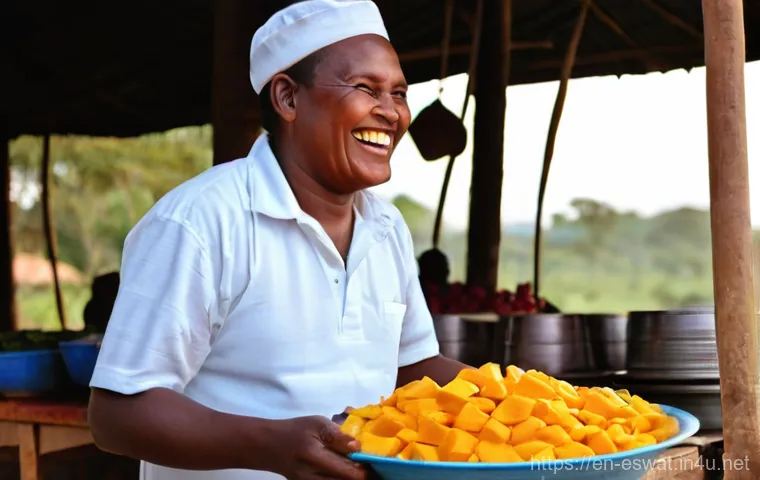
One of the most enriching parts of my market visits in Eswatini has consistently been the genuine interactions I’ve had with the local vendors. It’s not just about haggling over a price; it’s about connecting with people, sharing smiles, and learning a little about their lives.
I’ve always found the Swazi people to be incredibly warm and welcoming, and this is especially true in the markets. They often light up when you show genuine interest in their crafts or ask about their day.
These small exchanges are what transform a simple shopping trip into a profound cultural experience. It’s these human connections, these shared moments of laughter and understanding, that make the markets truly unforgettable.
You’ll leave not just with beautiful souvenirs, but with a deeper appreciation for the people and culture of Eswatini.
The Warmth of Swazi Hospitality
From the moment you step into an Eswatini market, you’ll likely be greeted with friendly smiles and a cheerful “Sawubona!” (hello). I’ve found that engaging with vendors, even just for a brief chat, greatly enhances the entire experience.
They are often keen to share information about their products, their craft, or even just a bit about local life. I remember one woman who sold me a beautiful hand-painted fabric explaining in detail the meaning behind the colors and symbols.
Her enthusiasm was infectious! These aren’t just transactions; they are opportunities for cultural exchange. A genuine compliment about their stall or their products can go a long way in building rapport and fostering a really pleasant interaction.
It’s these personal connections that truly make the market feel like the heart of the community.
Bartering Basics: A Friendly Exchange
Now, let’s talk about bartering – it’s definitely a part of the market culture here, but it’s more about friendly negotiation than aggressive haggling.
My approach is always to be respectful and good-humored. Start by offering a price that feels fair to you, perhaps slightly below their initial asking price, and then be prepared for a bit of back-and-forth.
I’ve found that a polite tone and a smile are your best tools. Remember, the goal isn’t to get the absolute lowest price, but to reach a mutually agreeable figure where both you and the vendor feel good about the exchange.
Sometimes, if you’re buying multiple items from the same vendor, you might get a better deal. It’s all part of the fun and a fantastic way to engage with the local economy.
Don’t be afraid to give it a try – it’s part of the authentic market experience!
Smart Shopping in Eswatini: Maximizing Your Market Haul
To really make the most of your market adventures in Eswatini, a little bit of smart planning goes a long way. After several visits, I’ve picked up some useful tips that help me ensure I’m getting authentic goods, supporting local artisans effectively, and bringing home treasures that truly reflect my journey.
It’s not just about the price tag; it’s about the value, the story, and the impact of your purchase. Thinking ahead about what you want to buy, how you’ll transport it, and what constitutes a fair price in the local context can transform your shopping experience from good to absolutely fantastic.
This isn’t about being stingy; it’s about being an informed and respectful shopper in a new cultural setting.
What to Look For: Quality and Authenticity
When browsing for souvenirs or gifts, I always keep an eye out for quality and authenticity. Look for items that appear handmade and unique; often, you can see slight imperfections or variations that indicate they haven’t been mass-produced.
For textiles, check the stitching and the vibrancy of the dyes. For wood carvings, look for smooth finishes and intricate details. Don’t be shy to pick up items, feel their weight, and examine them closely.
If you see a lot of identical items that look machine-made, they might be imported. The best way to ensure authenticity is to buy directly from the artisans themselves, or from stalls where you can see the craft being performed.
I’ve personally found that items with a palpable sense of care and individual touch are always the most rewarding.
Budgeting for Your Bazaar Beauties
Before heading into the market, it’s a good idea to have a rough budget in mind. Eswatini’s currency is the Lilangeni (E), which is pegged to the South African Rand (ZAR), so you can often use both.
I usually carry a mix of smaller denominations of Lilangeni to make transactions easier, especially with smaller vendors. While bartering is common, having a baseline idea of what you’re willing to spend helps you negotiate effectively.
Don’t forget to factor in any potential transportation costs if you’re buying larger items! I’ve found that sometimes the “perfect” item might be a little over budget, but if it truly speaks to you and supports a local artisan, it’s often worth the splurge.
Just make sure to balance it with more budget-friendly finds elsewhere.
Supporting Local: Why Your Purchases Matter
Every time I make a purchase in Eswatini’s markets, I feel a genuine sense of contributing directly to the local economy and the livelihoods of the incredible people I meet.
This isn’t just about charity; it’s about empowering communities and ensuring that traditional crafts and skills continue to thrive. When you buy a hand-woven basket, you’re not just getting a beautiful item; you’re supporting the weaver’s family, enabling them to send their children to school or put food on the table.
It’s a tangible way to make a positive impact during your travels. I’ve personally witnessed the pride in a vendor’s eyes when a sale is made, and that connection alone makes the experience incredibly rewarding.
It’s a beautiful cycle of support that benefits everyone involved.
Direct Impact: Empowering Communities
The direct impact of buying local in Eswatini cannot be overstated. Unlike large retail chains, market purchases often mean the money goes directly into the hands of the artisans, farmers, and small business owners who are the backbone of their communities.
I once bought some intricately carved wooden spoons from a father-and-son duo, and the son explained how the sales helped fund his schooling. These are the kinds of stories that truly stick with you.
Your purchases provide vital income, helping to sustain families, preserve traditional crafts, and stimulate local economies. It’s more than just commerce; it’s community development in action, driven by conscious consumer choices.
Choosing to buy local truly makes a world of difference.
Sustainable Tourism: Shopping with Purpose
For me, shopping in Eswatini’s markets aligns perfectly with the principles of sustainable tourism. It’s about experiencing the local culture in an authentic way while ensuring that your presence benefits the destination and its people.
By choosing handcrafted items and local produce, you’re encouraging the continuation of traditional skills and reducing the demand for mass-produced, often imported goods.
It also minimizes your environmental footprint by supporting local production rather than products that have traveled long distances. I always feel good knowing that my souvenir isn’t just a pretty object, but a small investment in the cultural and economic well-being of the place I’m visiting.
It’s a way to travel with purpose and leave a positive mark.
| Item Type | Common Use/Significance | Typical Places to Find | My Personal Tip |
|---|---|---|---|
| Hand-Woven Baskets | Used for storage, carrying, or as decorative home accents; often made from sisal or grass, featuring intricate patterns. | Manzini Market, Ezulwini Craft Markets, roadside stalls. | Look for tight weaves and vibrant, natural dyes. Ask about the type of grass or fiber used! |
| Beadwork | Jewelry (necklaces, bracelets), decorative items, traditional attire; often symbolic of status or occasion. | Ezulwini Craft Markets, tourist centers, smaller local markets. | Choose pieces with consistent bead size and strong threading. The more intricate, the more valuable. |
| Wood Carvings | Animal figurines, masks, traditional tools, household items; often made from local hardwoods. | Manzini Market, various craft markets. | Examine for fine details and smooth finishes. Don’t be afraid to feel the texture. |
| Traditional Fabrics | Used for clothing (like the *umbhaco*), blankets, or home decor; often brightly colored with unique patterns. | Manzini Market, local textile shops within markets. | Check for colorfastness and fabric quality. Some vendors may offer tailoring services. |
| Local Honey | Pure, often unprocessed honey from local bees; known for its distinct flavor profile. | Small food stalls, farmers’ sections of larger markets. | Look for small, local producers. It’s often sold in simple jars or containers, a true taste of Eswatini. |
Wrapping Things Up
My journey through Eswatini’s vibrant markets has always been so much more than just a shopping trip; it’s an absolute immersion into the heart and soul of the kingdom.
Each visit leaves me with a deeper appreciation for the incredible artistry, warm hospitality, and rich cultural tapestry of the Swazi people. If you’re looking for an authentic travel experience that truly connects you to a place, these markets are an absolute must-see.
Trust me, the memories and treasures you’ll bring home will be priceless.
Useful Information to Know
1. Currency and Payments: Eswatini’s currency is the Lilangeni (E), which is pegged to the South African Rand (ZAR) at a 1:1 ratio. Both currencies are generally accepted, but it’s always a good idea to have some smaller denominations of Lilangeni for market purchases, especially with smaller vendors. While some larger stalls might accept card payments, cash is king in most market settings.
2. Bargaining Etiquette: Bartering is a common practice, but it’s usually done in a friendly, good-natured way. Don’t go in with an aggressive mindset; approach it as a polite negotiation. A smile and a respectful tone will get you much further than demanding a lower price. It’s about finding a price that feels fair to both you and the artisan.
3. Getting Around: Markets like Manzini or the Ezulwini craft stalls are usually accessible via local transport. “Kombis” (minibus taxis) are a popular and affordable way to get around, or you can opt for metered taxis. If you’re staying at a lodge, they can often help arrange reliable transport for your market excursions.
4. Best Times to Visit: I’ve found that arriving earlier in the day, especially in the morning, offers the best experience. It’s usually cooler, less crowded, and vendors are often more relaxed, allowing for more genuine interactions. This also gives you ample time to browse without feeling rushed.
5. Essentials to Carry: Always bring a reusable bag (or a few!) for your purchases – you’ll inevitably find more treasures than you anticipate. Comfortable walking shoes are a must, as you’ll be on your feet quite a bit. And of course, keep hydrated, especially on warm days, by carrying a water bottle.
Key Takeaways
Venturing into Eswatini’s markets is an experience that genuinely ticks all the boxes for an enriching and memorable journey. You’re not just shopping; you’re actively engaging with a living culture, witnessing centuries-old traditions come to life through the hands of skilled artisans.
My biggest takeaway is always the profound sense of connection you feel – whether it’s through a shared smile with a vendor, a fascinating conversation about a craft’s history, or the simple act of choosing a handmade item that speaks to your soul.
These markets are a true reflection of the Swazi spirit: vibrant, authentic, and incredibly welcoming. Every purchase you make directly supports local communities, helping to sustain livelihoods and preserve the unique artistic heritage of the kingdom.
It’s a powerful way to make a positive impact, ensuring that the magic of Eswatini’s crafts continues for generations to come. So, embrace the bustle, savor the flavors, and let the stories embedded in every item guide you to truly unforgettable moments.
Frequently Asked Questions (FAQ) 📖
Q: What are the absolute must-buy items in Eswatini’s markets, and how can I spot the authentic ones?
A: Oh, this is one of my favorite questions! When I first stepped into the Manzini Market, my eyes were just feasting on the incredible array of handcrafted treasures.
You absolutely cannot leave Eswatini without a few pieces of their exquisite artwork. Weaving is a huge part of the culture here, so look out for those intricately woven baskets and mats – they’re often made from local grasses and tell such a beautiful story through their patterns.
I personally snagged a few for my living room, and they always spark conversations! Then there’s the beadwork; it’s vibrant, colorful, and each piece feels like a tiny wearable masterpiece.
From necklaces to bracelets and even decorative items, the craftsmanship is just stunning. To ensure authenticity, I always make it a point to chat with the vendor.
Ask them about the materials, how long it takes to make, or the meaning behind the designs. You’ll often find the artisans themselves at the stalls, which is the best way to know you’re getting a genuine, locally-made piece directly from the creator.
And don’t forget the wooden carvings – from animal figures to ceremonial masks, they’re truly unique. Beyond crafts, keep an eye out for local spices and traditional fabrics; they’re fantastic souvenirs that bring a taste and feel of Eswatini back home with you.
It’s an experience in itself, trust me!
Q: How can I genuinely connect with the local vendors and truly support their businesses while exploring Eswatini’s markets?
A: This is so important, and it’s something I’m really passionate about! My biggest tip is simply to be present and engage. Don’t just walk past; make eye contact, smile, and say “Hello” or “Sawubona” (which means hello in SiSwati).
Even a few simple words in the local language can break the ice wonderfully. I’ve found that vendors here are incredibly friendly and proud of their work, and they love sharing their stories.
Ask them about their craft, where they learned it, or what inspires them. It’s not just about the transaction; it’s about building a human connection.
Bargaining is part of the culture, especially in craft markets, but always do it respectfully and with a smile. Remember, a few Emalangeni (the local currency) might not be much to you, but it can make a significant difference to a local artisan.
My personal approach is to offer a fair price that I’m comfortable with, knowing it directly supports their family and community. And if you genuinely love something but can’t buy it, a sincere compliment on their artistry goes a long way.
Buying directly from the artisans ensures that your money stays within the local economy and directly benefits the people who pour their heart and soul into these beautiful creations.
It’s a win-win, enriching your travel experience while making a real impact.
Q: What are your top practical tips for a first-timer to ensure a smooth and enjoyable market experience in Eswatini?
A: Alright, let’s talk practicalities to make sure your market adventure is absolutely fantastic! First off, cash is king. While some larger stalls might accept cards, especially in more tourist-centric areas, many smaller vendors operate purely on cash (Emalangeni, or E for short).
Make sure you have plenty of smaller denominations on hand. I always carry a mix so I don’t run into issues with change. Secondly, dress comfortably and wear sturdy shoes.
You’ll be doing a lot of walking, often on uneven terrain, and the markets can get quite bustling. My trusty sneakers were a lifesaver! Also, it can get warm, so light clothing and a hat are a good idea.
Thirdly, go early! The markets tend to be liveliest and coolest in the morning, and you’ll often find the best selection before the crowds really pick up.
I loved getting there around 9 AM. And finally, embrace the vibrant chaos! Eswatini markets are a feast for the senses – don’t be afraid to wander, explore every corner, and let yourself be drawn in by the sights, sounds, and smells.
Keep an eye on your belongings, as you would in any busy place, but overall, it’s a very safe and welcoming environment. Be open to trying new foods (with caution, of course, if you have a sensitive stomach!) and just soak it all in.
It’s an experience that truly defines a trip to Eswatini, and with these tips, you’re all set for an unforgettable time!