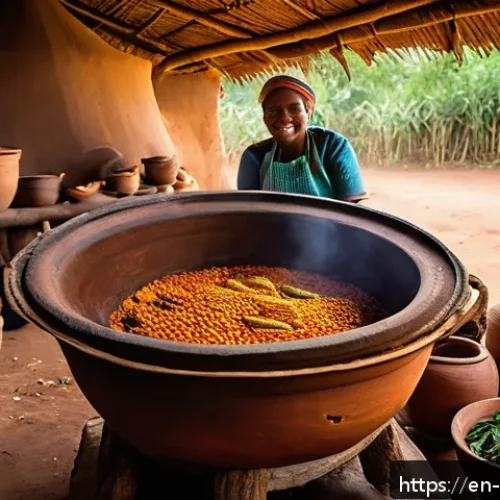
Eswatini, often called the Kingdom of Eswatini, is an absolute gem in Southern Africa, and let me tell you, its culinary scene is just as captivating as its stunning landscapes!

Many folks might not immediately think of Eswatini when planning a foodie adventure, but trust me, you’re missing out on some truly incredible tastes.
From vibrant market stalls bursting with fresh produce to cozy homesteads serving up time-honored dishes, the food here tells a story of tradition, community, and pure deliciousness.
I still remember the first time I sank my teeth into some perfectly slow-cooked *sishwala* with tender *inyama*; it was an explosion of unique, comforting flavors I hadn’t experienced anywhere else.
As the world increasingly seeks out authentic, locally-sourced culinary experiences, Eswatini is quietly emerging as a fantastic destination for those eager to explore the true heart of African cuisine.
Get ready to embark on a mouth-watering journey that will surprise and delight your palate, connecting you deeply with the local culture. Ready to discover the hidden culinary treasures of this magnificent kingdom?
Let’s dive in and explore Eswatini’s must-try dishes right now!
The Foundation of Flavor: Unearthing Eswatini’s Staple Ingredients
When you first venture into Eswatini’s culinary world, it becomes clear pretty quickly that the heart of its incredible flavors lies in a handful of foundational ingredients.
It’s not about overly complex recipes or a gazillion exotic spices; it’s about making the most of what the land provides with incredible skill and respect.
Think about it, the simplicity often hides the most profound tastes. Maize, or “mielie” as it’s often called here, is absolutely king. It’s the base for *sishwala*, that comforting, thick porridge that’s practically on every table.
Growing up, I remember my grandmother telling me how important mielie was, not just for food, but for the rhythm of life itself – planting, harvesting, and community gatherings all revolved around it.
Beyond maize, you’ll find an abundance of fresh vegetables like pumpkin leaves (*emahiya*), spinach, and various indigenous greens that bring a wonderful earthiness and nutrition to every meal.
And let’s not forget the beans and groundnuts, which are staples for their protein and rich flavor. These ingredients aren’t just food; they’re the threads that weave together the daily life and cultural heritage of the Eswatini people, forming the backdrop of every memorable bite you’ll take here.
The quality and freshness of these local products are what truly make the cuisine here shine.
The Ubiquitous Maize: More Than Just a Grain
You simply cannot talk about Eswatini cuisine without giving maize its rightful spotlight. From the moment you step foot in a local market, you’ll see it in various forms – dried kernels, milled flour, even roasted on the cob as a street snack.
The most famous application, of course, is *sishwala*, a firm porridge that serves as the perfect accompaniment to almost any stew or relish. I’ve tried my hand at making it, and let me tell you, getting that perfect consistency takes practice!
It’s so much more than just a carb; it’s a canvas for flavors, soaking up the delicious sauces and gravies, making every mouthful deeply satisfying. It represents sustenance, tradition, and a connection to the land that’s truly palpable.
Eating *sishwala* with your hands, scooping up a portion of *inyama* (meat) or *umbhidvo wetintsanga* (pumpkin leaves), is an experience that truly connects you to the local way of life.
It’s a foundational element that grounds every meal and every culinary experience in the kingdom, something I’ve come to truly appreciate.
The Green Gold: Seasonal Vegetables and Legumes
Beyond the star power of maize, Eswatini’s gardens and fields contribute a vibrant array of vegetables and legumes that are simply bursting with flavor.
I was honestly surprised by the sheer variety and freshness when I first visited. Seasonal greens like *emahiya* (pumpkin leaves) and *ligusha* (a type of jute mallow) are cooked down into nutritious and incredibly flavorful side dishes.
These aren’t just random greens; they have distinct textures and subtle bitter notes that beautifully complement the richness of meat or the starchiness of *sishwala*.
Legumes, particularly various types of beans and groundnuts, also play a huge role, often simmered into hearty stews or used to thicken sauces, adding a wonderful creaminess and depth.
It’s truly fascinating how these humble ingredients are transformed into something so delicious through traditional cooking methods. Eating seasonally here isn’t a trend; it’s a way of life that ensures every dish is at its peak of freshness and taste.
I remember a particularly memorable *ligusha* dish I had at a small guesthouse near Malkerns – the flavors were so fresh and earthy, it felt like I was tasting the very essence of the Eswatini soil.
Beyond the Comfort Zone: Exploring Authentic Eswatini Dishes
Stepping into the culinary world of Eswatini means opening yourself up to a range of dishes that are incredibly comforting, deeply flavorful, and tell a story of generations.
You won’t find overly complicated fusion cuisine here, but rather honest, soul-satisfying food that warms you from the inside out. My advice? Dive in headfirst and embrace the authentic.
One of the absolute must-tries, as I mentioned, is *sishwala*, often paired with *inyama* (meat). The meat, usually beef or goat, is slow-cooked until it’s fall-off-the-bone tender and simmered in a rich, savory gravy.
It’s the kind of meal that feels like a warm hug, perfect after a day of exploring the stunning landscapes. Then there’s *sidlwadlwa*, a delicious mixture of pumpkin and maize meal, often enjoyed as a hearty breakfast or a light lunch.
It’s subtly sweet and incredibly satisfying. The beauty of these dishes lies in their ability to use simple, locally sourced ingredients to create something truly extraordinary.
Each dish has a history, a method perfected over time, and a place in the hearts of the Eswatini people. You’ll find these culinary treasures not just in restaurants, but in homesteads, at local markets, and during communal celebrations, each telling its own delicious tale.
Meat Lovers’ Paradise: The Art of *Inyama* and Stews
For anyone who appreciates well-prepared meat, Eswatini is an absolute revelation. The term *inyama* broadly refers to meat, but in a culinary context, it usually means tender, slow-cooked beef or goat, often stewed to perfection.
What makes it so special? It’s often the quality of the free-range meat and the patient cooking process. Imagine succulent pieces of meat, braised until they practically melt in your mouth, swimming in a rich, savory gravy that’s been subtly spiced.
I vividly recall a roadside eatery where I had the most incredible goat stew – the meat was so tender it just flaked apart with my fork (or my fingers, because sometimes that’s just how you have to do it!).
It wasn’t just a meal; it was an experience. This isn’t your quick-sear steak; this is slow food, steeped in tradition, meant to be savored. Accompanied by *sishwala* or even some steamed bread, it’s a hearty and deeply satisfying meal that truly showcases the flavors of the region.
The Sweet & Savory Surprises: *Sidlwadlwa* and Other Delights
While *sishwala* and *inyama* might be the heavyweights, Eswatini cuisine offers some delightful surprises that showcase the versatility of its staple ingredients.
Take *sidlwadlwa*, for instance – a truly unique dish that combines the sweetness of pumpkin with the heartiness of maize meal. It’s often cooked until it reaches a thick, porridge-like consistency, offering a subtly sweet and incredibly comforting flavor profile.
It’s fantastic for breakfast, giving you a warm, energy-filled start to your day, or even as a comforting afternoon snack. I remember trying it for the first time, not knowing what to expect, and being completely charmed by its gentle sweetness and creamy texture.
Beyond *sidlwadlwa*, you’ll also encounter dishes like *umbhida*, a vibrant mix of leafy greens, and various forms of bean stews that are packed with flavor and nutrition.
These dishes highlight the ingenuity of Eswatini cooks in transforming simple, local produce into wholesome and incredibly tasty meals that truly reflect the bounty of the land.
The Communal Table: Dining Etiquette and Shared Experiences
Dining in Eswatini is often a communal affair, a reflection of the strong community bonds that define the culture. It’s not just about eating; it’s about sharing, connecting, and celebrating together.
When you’re invited to a traditional meal, you’ll quickly notice that the experience is as much about the conversation and laughter around the table as it is about the food itself.
There’s a wonderful sense of hospitality and warmth that permeates every gathering. Often, food is served on large platters, and everyone eats from the same dishes, using their hands – specifically, the right hand.
This might feel a little unusual at first if you’re used to cutlery, but trust me, it adds an entirely new dimension to the meal, connecting you more directly with the food and the people you’re sharing it with.
It’s a beautiful way to experience the culture firsthand, to truly feel like you’re part of the family, even if you’ve just met. Learning a few basic phrases in Siswati, like “Ngiyabonga” (thank you), can also go a long way in showing your appreciation and connecting with your hosts.
Hand-to-Mouth: The Art of Eating with Your Hands
One of the most authentic and memorable parts of experiencing Eswatini cuisine is the tradition of eating with your hands, particularly with *sishwala* and stews.
Now, I know what you might be thinking – messy! But honestly, once you get the hang of it, there’s something incredibly satisfying and primal about it.
You use your right hand to scoop a small portion of the *sishwala*, gently molding it into a ball, and then using it to scoop up the stew or relish. It’s a skill, yes, but one that locals are usually very happy to teach you.
I found that it truly enhances the flavors and textures of the food, making the meal a more sensory experience. It’s not just about convenience; it’s a cultural practice that speaks volumes about tradition and connection.
Embracing this simple act is a beautiful way to show respect for the local customs and immerse yourself fully in the Eswatini dining experience. Plus, it’s a great conversation starter and often leads to some fun and memorable moments with new friends.
Hospitality at its Finest: The Spirit of Sharing
The warmth and generosity of the Eswatini people are truly reflected in their approach to food and dining. When you’re a guest, whether in a formal setting or a casual home, you’ll be treated with incredible hospitality.
Meals are often a time for families and communities to come together, to share stories, and to reinforce bonds. It’s rare to find someone eating alone when there are others around; food is meant to be shared.
This spirit of sharing extends beyond just the meal itself; it’s about sharing knowledge, culture, and friendship. I’ve been to gatherings where even though resources might be modest, the table is laden with an abundance of food, and everyone is encouraged to eat their fill.
It’s a powerful reminder of how food can bring people together, transcending language barriers and cultural differences. This sense of collective enjoyment and genuine welcome is, for me, one of the most endearing aspects of Eswatini’s culinary scene.

Sweet Endings and Refreshing Sips: Eswatini’s Culinary Afterthoughts
After a hearty meal, it’s always nice to round things off with something a little sweet or a refreshing drink, and Eswatini doesn’t disappoint, even if its dessert culture isn’t as prominent as its savory dishes.
The focus here is often on natural sweetness, particularly from the abundant fresh fruits. Mangoes, papayas, and bananas are incredibly sweet and flavorful when in season, and they make for the perfect light and healthy dessert.
You’ll find them fresh in markets, often enjoyed simply sliced, allowing their natural sugars to shine. Beyond fresh fruit, there are also some unique local beverages that are definitely worth trying.
The homemade ginger beer, for example, is wonderfully zesty and refreshing, especially on a warm day. It’s often made with fresh ginger, sugar, and sometimes a hint of chili, giving it a delightful kick.
Another local favorite is *buganu*, a traditional fermented marula fruit brew, usually enjoyed during the Marula Festival. It’s a rich, slightly alcoholic drink with a distinctive flavor that’s deeply tied to cultural celebrations.
Exploring these “afterthoughts” of the Eswatini culinary journey offers another layer of insight into the local palate and traditions.
Nature’s Candy: The Abundance of Fresh Fruit
When it comes to desserts, Eswatini truly leans into the natural bounty of its land. Forget fancy pastries; here, the stars are the incredibly sweet and juicy fresh fruits.
Depending on the season, you’ll find an amazing selection of mangoes, papayas, bananas, avocados, and various berries. These fruits aren’t just an afterthought; they’re often the perfect palate cleanser after a rich, savory meal.
I’ve had some of the sweetest, most fragrant mangoes in Eswatini, so ripe they practically melted in my mouth. There’s something so satisfying about simply slicing into a perfectly ripe papaya and enjoying its delicate sweetness.
It’s a testament to the country’s fertile land and warm climate. You’ll see vendors selling these treasures at every market and roadside stall, making it easy to grab a healthy, delicious treat on the go.
It’s a refreshing and wholesome way to end any meal, connecting you directly to the fresh flavors of the Eswatini landscape.
Traditional Brews and Refreshing Quenchers
To truly complete your Eswatini culinary journey, you absolutely have to explore the local beverages. Forget your usual sodas for a moment and dive into the traditional drinks that tell another part of the country’s story.
My personal favorite is the homemade ginger beer. It’s often prepared in homesteads, bursting with that unmistakable spicy kick of fresh ginger, balanced by a touch of sweetness, and sometimes a secret ingredient that gives it an extra zing.
It’s incredibly refreshing, especially when you’re out and about exploring under the African sun. Then there’s *buganu*, the traditional marula fruit brew.
This isn’t just a drink; it’s a cultural institution, deeply linked to the annual Marula Festival. It has a unique, somewhat tart, and slightly sweet flavor, with a mild alcoholic content, and it’s truly an experience to try during the festive season.
These drinks are more than just thirst quenchers; they are liquid traditions, offering a taste of the local customs and celebrations, and I always make sure to try them whenever I’m in the kingdom.
Navigating the Culinary Landscape: Tips for Food Explorers
Embarking on a culinary adventure in Eswatini is an incredibly rewarding experience, but like any journey, a little preparation can make it even better.
For starters, embracing the local markets is key. This is where you’ll find the freshest produce, get a real sense of the daily hustle and bustle, and often discover small vendors selling delicious street food at incredible prices.
Don’t be afraid to try things that look unfamiliar; that’s where the best discoveries lie! Another important tip is to be open to trying communal dining experiences.
Many guesthouses and cultural villages offer traditional meals where you can eat with locals, which is not only a fantastic way to taste authentic dishes but also to learn about the culture firsthand.
And, as I mentioned, don’t shy away from eating with your hands; it’s a sign of respect and truly enhances the experience. Finally, remember that while Eswatini is generally very safe, always practice good hygiene.
Opt for places that look clean and well-maintained, and if you’re unsure about water, stick to bottled water. These simple guidelines will help you have an enjoyable, safe, and truly unforgettable foodie adventure in the Kingdom of Eswatini.
Market Wonders: A Glimpse into Local Flavors and Life
If you really want to get to the heart of Eswatini’s food scene, you absolutely must spend time exploring the local markets. These aren’t just places to buy groceries; they are vibrant hubs of activity, color, and incredible aromas.
From the bustling Manzini Market to smaller, regional ones, you’ll find an astonishing array of fresh fruits, vegetables, grains, and even prepared foods.
This is where I truly feel connected to the pulse of the country. I love wandering through the stalls, chatting with vendors, and seeing what’s in season.
It’s a fantastic opportunity to try local snacks, like roasted maize or sweet potato fritters, right off the griddle. The energy is infectious, and it’s a brilliant way to immerse yourself in the everyday life of the Eswatini people.
Plus, you’ll get to see the raw ingredients that form the basis of all those delicious dishes you’re trying, giving you a deeper appreciation for the culinary traditions.
Embracing Authenticity: Dining with Locals and Cultural Immersion
One of the most enriching parts of my culinary travels in Eswatini has been the opportunity to share meals with locals. This isn’t just about trying new food; it’s about experiencing the true essence of Eswatini hospitality and culture.
Many cultural villages, community tourism initiatives, and even some smaller guesthouses offer opportunities for guests to partake in traditional meals, often prepared right in front of you.
This is where you learn about the stories behind the dishes, the significance of certain ingredients, and the customs surrounding mealtime. It’s an intimate and personal way to connect, far more so than simply eating in a restaurant.
I’ve found that these shared meals often turn into some of the most memorable moments of a trip, forging connections and understanding that go far beyond just taste.
Don’t be shy; ask about these opportunities, and prepare for a genuinely heartwarming and delicious experience.
| Dish Name | Key Ingredients | Description | Best Enjoyed With |
|---|---|---|---|
| Sishwala | Maize meal, water | A thick, firm porridge that serves as a staple carbohydrate. | Inyama (meat stew), Umbidvo (greens) |
| Inyama | Beef or Goat, vegetables, spices | Slow-cooked meat stew, tender and rich with savory gravy. | Sishwala, steamed bread |
| Umbhidvo wetintsanga | Pumpkin leaves, groundnuts | Stewed pumpkin leaves often enriched with groundnut paste. | Sishwala, grilled meat |
| Sidlwadlwa | Pumpkin, maize meal | A subtly sweet porridge made from pumpkin and maize meal. | Breakfast or light lunch |
| Emahewu | Fermented maize meal, water, sugar | A traditional non-alcoholic fermented drink, slightly sour and refreshing. | Any time of day |
Wrapping Things Up
And there you have it, fellow food adventurers! Exploring Eswatini’s culinary landscape has truly been one of the most heartwarming and palate-pleasing experiences of my life. It’s a journey that goes beyond just tasting new dishes; it’s about connecting with a vibrant culture, understanding the deep respect for the land’s bounty, and feeling the incredible warmth of its people. Every meal tells a story, every ingredient has a purpose, and every shared plate builds a bridge of understanding. I sincerely hope this deep dive encourages you to pack your bags, open your mind, and let your taste buds lead the way to this often-overlooked but utterly delightful corner of Africa. You won’t just leave with a full stomach, but with a full heart and unforgettable memories.
Useful Information to Know
1. Embrace Local Markets: Make it a priority to visit local markets, like the bustling Manzini Market. Not only are they fantastic places to find fresh, seasonal ingredients and local snacks, but they also offer an authentic glimpse into daily life and the heart of the community. Don’t be shy to ask vendors about their produce or cooking methods; they often love to share insights.
2. Dining Etiquette for a Smooth Experience: When invited to a traditional meal, remember that eating with your right hand is customary, especially when enjoying dishes like *sishwala*. It’s a sign of respect and a way to truly immerse yourself in the local culture. A simple “Ngiyabonga” (thank you) in Siswati goes a long way in showing appreciation.
3. Seasonal Delights are Key: Eswatini’s cuisine is deeply seasonal. To experience the best of its fresh fruits and vegetables, consider visiting during the harvest seasons. For instance, the Marula Festival season (typically February-March) offers a chance to try the traditional *buganu* brew and see the marula fruit in abundance.
4. Beyond the Plate – Cultural Connection: Don’t just eat; engage! Many cultural villages and community tourism initiatives offer opportunities to participate in cooking demonstrations or share meals with local families. These experiences provide invaluable insights into Eswatini’s traditions and foster genuine connections that elevate your culinary adventure far beyond just food.
5. Stay Hydrated and Safe: While exploring, always remember to stay hydrated, especially in the warm climate. Bottled water is widely available and a safe choice. When trying street food, opt for stalls that are busy and look well-maintained, indicating fresh turnover and good hygiene practices for an enjoyable and worry-free experience.
Key Takeaways
Eswatini’s culinary identity is beautifully rooted in its staple ingredients, primarily maize, which forms the comforting foundation of dishes like *sishwala*. The cuisine brilliantly utilizes fresh, seasonal vegetables like pumpkin leaves and a variety of legumes, transforming them into rich and flavorful stews and accompaniments. Meat, particularly slow-cooked *inyama*, stands as a testament to hearty, soul-satisfying preparation, often steeped in traditional methods. Beyond the incredible flavors, the dining experience in Eswatini is profoundly communal, emphasizing sharing, hospitality, and connection, often with the unique cultural practice of eating with one’s hands. Traditional beverages, from refreshing ginger beer to the culturally significant *buganu*, perfectly round out the meal. Ultimately, Eswatini’s food scene is a vibrant, authentic journey that promises not just delicious tastes, but a deep immersion into the heart and soul of its people and traditions.
Frequently Asked Questions (FAQ) 📖
Q: What are the absolute must-try dishes and culinary experiences when visiting Eswatini?
A: Oh, this is such a fantastic question, and one I get asked all the time! If you’re coming to Eswatini, you simply cannot leave without trying sishwala and inyama.
Sishwala is their staple, a hearty porridge usually made from maize meal, and it’s the ultimate comfort food. It’s often served with inyama, which means meat – think beautifully slow-cooked beef, goat, or sometimes even wild game, often prepared in a rich, savory stew.
The flavors are so deep and satisfying, truly a taste of the land. Beyond that, keep an eye out for sidvudvu, a delightful pumpkin porridge that can be sweet or savory, and emasi, which is fermented milk, often enjoyed as a refreshing side or a light meal.
I still vividly remember savoring sishwala with some incredible braised inyama at a local homestead; the meat was so tender it just melted in my mouth, perfectly complemented by the creamy sishwala.
It’s not just about the food itself, but the warmth and hospitality you experience when sharing a meal. These dishes really tell the story of Eswatini’s culinary heart.
Q: For travelers with specific dietary preferences, like vegetarians or those sensitive to spicy food, what are their options in Eswatini?
A: That’s a super valid point for many travelers today! While Eswatini cuisine does lean heavily on meat, especially inyama, there are definitely delicious options for vegetarians and those who prefer milder flavors.
You’ll find that most traditional meals are built around staples like sishwala, which is naturally vegetarian. Vegetable stews, often made with locally grown greens like pumpkin leaves (emashica) or spinach, are quite common and absolutely delicious.
Legumes like beans and peanuts are also frequently used. From my own experiences exploring the markets, the fresh produce is incredible, so you can always find wonderful seasonal fruits and vegetables.
As for spice, you’ll be relieved to hear that Eswatini cuisine is generally quite mild. Unlike some other African cuisines, it doesn’t typically feature a lot of fiery heat, so you can enjoy the rich, natural flavors without worrying about overwhelming your palate.
If you do crave a kick, chili sauces are sometimes offered on the side, giving you control over your spice level. So, don’t hesitate to explore; just communicate your preferences, especially in smaller, local eateries!
Q: What’s the best way to truly immerse myself and experience authentic Eswatini food like a local?
A: Oh, this is where the magic truly happens! To really get a feel for Eswatini’s culinary soul, I’d strongly recommend venturing beyond the typical tourist restaurants.
Your best bet for an authentic experience is to visit local markets – they are a feast for the senses! Here, you’ll find vendors selling fresh produce, traditional snacks, and sometimes even ready-to-eat local dishes prepared right there.
It’s a vibrant, bustling atmosphere and a fantastic way to connect with the local culture. Even better, if you have the opportunity, try to visit a local homestead or guesthouse that offers home-cooked meals.
This is where you’ll taste food prepared with generations of love and tradition, often cooked over an open fire. I’ve found that the best meals are often shared in these settings, surrounded by welcoming families.
Don’t be afraid to strike up a conversation; people in Eswatini are incredibly friendly and often delighted to share their food traditions. This immersive approach isn’t just about eating; it’s about connecting with the heart of the community and truly understanding the stories behind the flavors.
It’s an experience that stays with you long after the last bite!