Navigating Eswatini: Essential Etiquette Tips for Your Visit

webmaster

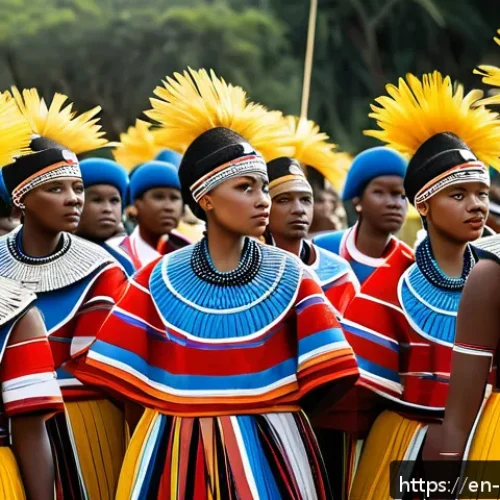
에스와티니의 사회적 예절 - **Prompt:** A heartwarming scene in rural Eswatini. A young female visitor, dressed in a modest, lon...

Hey there, fellow explorers and culture enthusiasts! If you’re anything like me, you probably dream of immersing yourself fully in new places, right? Well, let me tell you, Eswatini is one of those incredibly special spots that truly captures your heart.

Its landscapes are breathtaking, but it’s the warm, vibrant spirit of the emaSwati people that truly sticks with you. To truly connect and show genuine respect, understanding their social etiquette isn’t just a courtesy; it’s the golden key to unlocking authentic experiences.

I vividly recall my first few days, fumbling slightly with greetings and trying to grasp the subtle art of deference, realizing just how much these small gestures mean.

In our increasingly globalized world, showing that you’ve taken the time to learn these cultural nuances speaks volumes. It’s not about being perfect, but about demonstrating a heartfelt appreciation for their traditions and community values.

Imagine the richer conversations, the warmer smiles, and the deeper bonds you can form simply by knowing how to say ‘hello’ the right way or offering a gift with both hands.

It truly transforms your journey from a simple visit into a profound cultural exchange. So, if you’re ready to move beyond the typical tourist path and really dive into the heart of Eswatini, you’ve landed in just the right spot.

I’m thrilled to share everything I’ve learned, from those essential greetings to the unspoken rules that foster incredible connections. Let’s get you ready to experience the true essence of Eswatini with confidence and grace.

The Warm Embrace of a Proper Greeting

에스와티니의 사회적 예절 - **Prompt:** A heartwarming scene in rural Eswatini. A young female visitor, dressed in a modest, lon...

More Than Just a “Hello”: The Art of Connection

Greetings in Eswatini are far from a casual nod or a quick “hey.” Oh no, they are an intricate dance of words and genuine inquiry, a beautiful ritual that sets the stage for every interaction you’ll have.

My first few days were a comical blur of trying to remember the right phrase, wondering if I was holding the hand properly, or if I’d forgotten to ask about someone’s family.

It’s not just about saying “Sawubona” (hello to one) or “Sanibonani” (hello to many); that’s just the opening act! What follows is a series of questions about your well-being, your journey, and even the welfare of your family.

“How are you?” “Are you well?” “Did you sleep well?” “How are the people at home?” These aren’t rhetorical questions; they are sincere expressions of care and a way to establish a personal connection.

I remember feeling a bit awkward at first, wondering how long these exchanges were supposed to last, but soon I realized it wasn’t about rushing; it was about truly acknowledging the other person’s presence and showing genuine interest in their life.

It’s a beautiful dance of words that creates a profound sense of community right from the start. Taking the time for a proper greeting immediately opens doors and warms hearts, showing that you’re not just passing through, but you’re willing to engage.

It truly transforms a simple encounter into a meaningful moment.

Handshakes and Physical Gestures: Reading the Room

When you greet someone in Eswatini, a handshake is often involved, but it’s not always the firm, direct grip you might be used to. I quickly learned that the style can vary, and it’s all about context and who you’re greeting.

When I met elders or people of significant status, I noticed that a softer, more respectful handshake was common, often with the left hand gently supporting the right elbow or wrist.

For women, it’s not uncommon to curtsy slightly as a sign of deference. My first instinct was to offer a strong, confident shake, but I soon realized that a more gentle approach, sometimes even with a slight bow of the head, conveyed a much deeper respect.

It’s a subtle but powerful non-verbal cue that speaks volumes. For women, especially when greeting men or elders, lowering your gaze slightly is also a sign of respect, rather than direct, prolonged eye contact, which in some Western cultures is a sign of confidence.

It was a fascinating adjustment for me, realizing how much humility is conveyed through these seemingly small physical gestures. These aren’t just polite customs; they are foundational expressions of humility and reverence within emaSwati society, and observing them shows you truly appreciate their traditions.

Navigating Public Spaces with Grace

Respectful Conduct: Making a Good Impression

When you’re out and about in Eswatini, whether you’re strolling through a bustling market or attending a local event, your conduct in public spaces speaks volumes about your respect for the local culture.

I quickly picked up on a few things that made a huge difference in my interactions. For instance, public displays of affection, like prolonged kissing or hugging, are generally not common and might be seen as inappropriate.

I remember seeing a young couple holding hands, but that was usually the extent of it. It’s a society that values modesty and discretion, so keeping public gestures of intimacy subtle is always a good idea.

Also, when passing by elders or community leaders, it’s customary to offer a verbal greeting, even if it’s just a soft “Sawubona,” and perhaps a slight bow of the head or a small curtsy, especially for women.

This isn’t about rigid formality; it’s about acknowledging respect for those who have come before you and hold wisdom within the community. I found that a simple smile and a respectful demeanor went a long way in forging positive connections and making me feel more integrated into the daily rhythm of life there.

It’s amazing how these small acts of consideration can make you feel less like a tourist and more like an honored guest.

Dress Codes and Personal Presentation: Mirroring Respect

Oh, let me tell you, what you wear in Eswatini can genuinely impact how you’re perceived, not because of fashion trends, but because of respect. I learned pretty quickly that dressing modestly is a true sign of reverence for the local culture, especially when you’re visiting rural areas, attending traditional ceremonies, or even just going about your day in more conservative settings.

For women, this often means covering your knees and shoulders. I always made sure to pack longer skirts, dresses, and blouses with sleeves, and believe me, I was so glad I did!

Skirts that were too short or tops that were too revealing simply felt out of place, and I noticed that local women, who are incredibly stylish, always presented themselves with a beautiful sense of modesty.

For men, while shorts are often acceptable in casual settings, trousers are generally preferred for more formal occasions or when visiting homesteads.

It’s not about stifling your personal style; it’s about adapting it to show that you appreciate and honor the local customs. When I dressed respectfully, I felt a noticeable difference in the warmth of the reception I received, feeling more welcomed and integrated.

It truly shows you’ve made an effort to understand and adapt, which is deeply appreciated by the emaSwati people.

Advertisement

The Unspoken Language of Gestures and Body Language

Two Hands and a Humble Heart: Giving and Receiving

This is one of those incredibly impactful, yet often overlooked, customs that can truly set you apart as a thoughtful visitor. In Eswatini, when you offer or receive something—be it a gift, food, or even money—using both hands is a deeply ingrained sign of respect.

I remember instinctively reaching out with one hand for something, and then seeing a gentle reminder from a local to use two. It clicked then: it wasn’t just about politeness; it was about humility and honoring the giver or receiver.

It communicates that the item, and the interaction itself, is significant and worthy of your full attention and respect. For example, if you’re handed a drink at a homestead, extend both hands to receive the cup.

Similarly, when passing something to an elder or someone in authority, present it with both hands. It’s a small physical gesture that carries immense cultural weight and shows that you understand the nuance of their social fabric.

It says, “I value this, and I value you.” Once I got into the habit, it felt so natural and made every exchange feel more meaningful and connected. It truly makes a significant difference in how your interactions are perceived.

Eye Contact and Personal Space: Subtle Signals

Understanding the dynamics of eye contact and personal space was another fascinating aspect of my journey. In many Western cultures, direct eye contact is a sign of honesty and engagement, but in Eswatini, especially when interacting with elders or those in positions of authority, a prolonged, direct gaze can sometimes be interpreted differently.

I learned that a respectful, slightly lowered gaze, particularly for women addressing men or elders, is often more appropriate. It’s not about shyness or avoidance; it’s a subtle demonstration of humility and deference, recognizing the other person’s status and wisdom.

This was a significant adjustment for me, as my natural inclination was to maintain strong eye contact. I found that a gentle, intermittent gaze, combined with an attentive posture, worked best.

As for personal space, it’s generally appreciated to maintain a comfortable distance, especially with new acquaintances. While emaSwati are incredibly warm and welcoming, respecting personal boundaries in initial interactions helps build trust.

It’s about being aware of these subtle non-verbal cues and adjusting your own behavior to align with local expectations, which in turn fosters deeper and more harmonious relationships.

Mealtime Manners: Sharing and Community

The Joy of Communal Eating: A Shared Experience

Eating in Eswatini is rarely a solitary affair; it’s a beautiful communal experience, a time for sharing, connection, and reinforcing family and community bonds.

I was so fortunate to be invited to several meals at local homesteads, and let me tell you, these were some of my most cherished memories. Often, meals are served on a large communal platter, and everyone gathers around, sharing the same food.

This is where those respectful gestures really come into play. Always wait to be invited to eat, and often, the eldest will begin first. It’s customary to wash your hands before and after the meal, sometimes with a basin and water passed around.

When eating, use your right hand to take food from the communal dish, as the left hand is generally considered impure. Don’t be surprised if you see people scooping up food with a piece of pap (a thick porridge made from maize meal), which serves as both a staple and a utensil.

I remember struggling a bit with this at first, trying to gracefully maneuver the pap without dropping everything! It’s all part of the experience, and people are usually very understanding and patient with visitors.

Participating in a communal meal is more than just eating; it’s an intimate experience that deeply connects you to the heart of emaSwati hospitality and their generous spirit.

Table Etiquette & Offerings: Small Details, Big Impact

Beyond the act of sharing, there are a few other nuanced aspects of mealtime etiquette that I found fascinating. If you’re offered food, it’s polite to accept, even if you can only take a small portion.

Refusing food outright can sometimes be seen as impolite. Should you bring a small gift for your hosts, it’s often presented before the meal as a sign of appreciation.

When food is served, guests are typically served first, followed by elders, and then the rest of the family in descending order of age or status. It’s a structured yet incredibly warm environment.

I also noticed that wasting food is generally frowned upon, reflecting the value placed on sustenance and resources. Finish what’s on your plate, or take only what you know you can eat.

If you’re unsure about anything, observing what others do is always a safe bet, or simply asking your hosts. They are usually very keen to explain their customs.

Remembering these small details really shows that you’re paying attention and respecting their ways. It’s these thoughtful actions that turn a simple meal into an unforgettable cultural exchange, creating lasting memories and genuine friendships.

Advertisement

The Heart of Giving: Gifts and Gratitude

Thoughtful Tokens: Presenting Gifts with Care

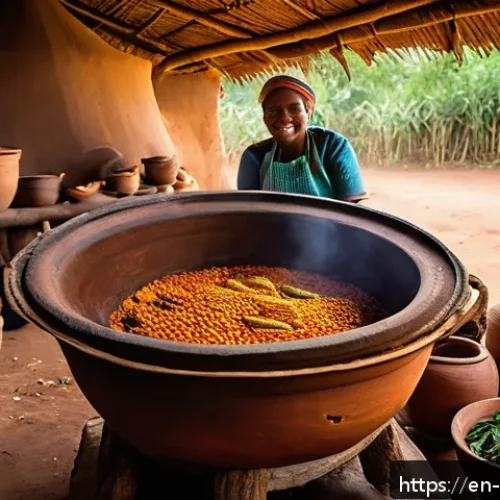
에스와티니의 사회적 예절 - **Prompt:** An intimate communal meal scene inside a traditional Eswatini homestead. Several family ...

The act of giving and receiving gifts in Eswatini is steeped in tradition and mutual respect, and it’s a beautiful way to express appreciation or foster goodwill.

It’s not about the monetary value of the gift, but the thought and intention behind it. If you’re invited to someone’s home, bringing a small token of appreciation, like sugar, tea, or even a simple piece of fruit, is always a thoughtful gesture.

I learned that when you present a gift, doing so with both hands is crucial, especially if you’re giving it to an elder or someone respected in the community.

This gesture elevates the act, showing humility and genuine regard. It signals that you’re offering something with an open heart and full respect. I recall one instance where I offered a small gift to a host, and his smile broadened when he saw me use both hands; it was a silent acknowledgement that I was trying to understand and honor their customs.

The content of the gift can be simple, but the manner of giving is what truly resonates. It’s a powerful non-verbal way to say “thank you” and build a bridge of friendship.

Receiving with Grace: Acknowledging Kindness

Just as important as giving is the art of receiving. When someone offers you a gift, accept it with both hands, accompanied by a genuine smile and words of thanks.

Even if the gift is small, the act of accepting it graciously shows respect for the giver’s generosity and effort. Sometimes, the gift might not be opened immediately in front of you, especially in a group setting; this isn’t a slight, but often a sign of modesty or to be opened privately.

I found that a simple “Siyabonga” (thank you) or “Ngiyabonga kakhulu” (thank you very much) goes a long way. It’s also common to briefly lower your gaze as you receive, especially from an elder, as a sign of deference.

It’s all part of the beautiful give-and-take that strengthens social bonds. Remember, it’s the spirit of the exchange that matters most. These interactions are not just transactions; they are opportunities to reinforce connection and mutual respect within the community.

Embracing these customs truly deepens your experience and allows you to connect on a much more profound level.

Community First: Understanding Social Structures

The Importance of Elders and Authority: Listening and Learning

In Eswatini, respect for elders and those in positions of authority—whether they are community leaders, chiefs, or even just older family members—is absolutely fundamental to the social fabric.

It’s something you’ll notice in almost every interaction. I quickly learned that when an elder speaks, you listen attentively, and it’s generally not appropriate to interrupt.

When I was visiting a homestead, I observed how younger family members would often wait for elders to initiate conversations or make decisions, a clear sign of deference.

Addressing elders with appropriate titles, if known, or simply with deep respect in your tone, is essential. This isn’t just about age; it’s about acknowledging their wisdom, experience, and the vital role they play in guiding the community.

If you have a question or need advice, approaching an elder respectfully is always the best path. I remember seeking advice on a local bus route from an older woman, and the patience and clarity with which she explained things, after I had greeted her respectfully, was truly heartwarming.

This respect permeates all levels of society and is a cornerstone of emaSwati culture.

The Collective Spirit: Ubuntu and Community Support

One of the most profound aspects of Eswatini culture that truly resonated with me is the concept of Ubuntu, which roughly translates to “I am because we are.” It’s a philosophy that emphasizes interconnectedness, community, and humanity towards others.

This isn’t just a philosophical idea; it’s lived out daily in the way people support each other. I saw countless examples of community members helping one another with farming, building homes, or celebrating life events.

There’s a strong sense that individual well-being is intrinsically linked to the well-being of the collective. If someone in the community is struggling, others rally around to offer support.

My experience taught me that being a part of this community, even as a visitor, meant understanding this collective spirit. It meant offering a helping hand when appropriate, showing genuine empathy, and participating in communal activities when invited.

It’s about recognizing that we are all interconnected, and our actions impact those around us. This deep sense of community is one of the most beautiful and enduring legacies of Eswatini, and experiencing it firsthand truly touched my soul.

Advertisement

Navigating Everyday Interactions: A Quick Guide

Common Phrases and Customs: Your Essential Toolkit

Getting a handle on a few basic phrases and customs can truly open up your experience in Eswatini and show a deep level of respect for the local culture.

While many people, especially in tourist areas, speak English, making an effort to use some SiSwati phrases is always appreciated. Beyond “Sawubona” and “Siyabonga,” I found phrases like “Unjani?” (How are you?) and “Ngikhona” (I am well) to be incredibly useful and always met with warm smiles.

It’s not just about the words, though; it’s about the intention behind them. I learned that even a simple attempt at the language shows that you’re invested in connecting.

Also, being mindful of your volume in public spaces is a good idea; while lively conversations are common, yelling or speaking too loudly can be seen as impolite.

Always remember to greet everyone when entering a room or joining a group. These small linguistic and behavioral efforts create such a positive impression.

Interaction Type Key Etiquette My Experience/Advice
Greeting an Elder Use “Sawubona Gogo/Mkhulu” (Grandmother/Grandfather) if appropriate, gentle handshake, slight bow/curtsy. Always start with a proper greeting and inquiry. Don’t rush it; it’s about respect, not speed.
Accepting/Giving Items Always use both hands, especially when interacting with elders or those in authority. This was a big one for me! It shows profound respect. Practice it until it becomes second nature.
Visiting a Homestead Wait for an invitation, bring a small gift (sugar, tea), remove shoes before entering. Be prepared to sit on mats on the floor. Be humble and observant, and enjoy the incredible hospitality.
Photography Always ask for permission before taking photos of people, especially children. People are often happy to pose, but asking first is a non-negotiable sign of respect for privacy.

When in Doubt: Observing and Asking Politely

No one expects you to be a perfect expert on day one, and believe me, I certainly wasn’t! The beauty of traveling is learning, and in Eswatini, people are generally very understanding and patient with visitors who are genuinely trying to learn and show respect.

My biggest piece of advice, truly, is to observe and, when appropriate, ask. If you’re unsure about a particular custom, take a moment to watch how locals interact.

Often, the answers are right there in front of you. If observation doesn’t clarify things, don’t be afraid to politely ask your host or a new friend. Phrases like “Ngicela ungisite” (Please help me) or “Ngiyacela uchazele” (Please explain) can be very useful.

Most emaSwati are incredibly warm and happy to share their culture with you, appreciating your effort to understand. This openness to learning is a key that unlocks even deeper connections and truly makes your journey through Eswatini not just a trip, but a transformative cultural immersion.

Embrace the learning curve; it’s all part of the adventure!

Wrapping Things Up

Whew! What a journey we’ve been on, exploring the beautiful nuances of Eswatini’s social etiquette. From my very first clumsy handshakes to the deeply meaningful communal meals, every interaction taught me something invaluable about respect, connection, and the incredible warmth of the emaSwati people. It’s not just about memorizing rules; it’s about opening your heart to a new way of being, where community and reverence for others are paramount. I truly believe that by making an effort to understand these customs, your travel experiences will be infinitely richer, transforming fleeting moments into cherished memories. It’s been such a joy sharing these insights, and I hope they empower you to embark on your own incredible adventures in Eswatini with confidence and an open spirit.

Advertisement

Useful Information for Your Eswatini Adventure

1. Currency and Payments: The local currency is the Lilangeni (plural Emalangeni), which is pegged to the South African Rand (ZAR). You’ll find both accepted throughout the country. While credit cards are accepted in many hotels and larger stores, having some local cash, especially smaller denominations, is incredibly useful for markets, rural areas, and tipping. Always be mindful of your change, especially when buying from local vendors. It’s wise to carry a mix of both currencies, as ATMs for Emalangeni might be less frequent in remote areas.

2. Staying Connected: Mobile network coverage is generally good in urban areas and along major routes, but can be spotty in very remote regions. Consider getting a local SIM card (e.g., MTN Eswatini or Eswatini Mobile) upon arrival for affordable data and calls. It makes navigating and staying in touch so much easier, and you can usually top up airtime and data bundles at small shops everywhere. Just remember, a digital detox isn’t a bad idea either; sometimes, disconnecting helps you truly connect with your surroundings.

3. Health & Safety: Eswatini is generally safe for tourists, but like anywhere, common sense applies. Always be aware of your surroundings, especially after dark in urban centers. It’s advisable to drink bottled water, and consult your doctor about necessary vaccinations and malaria prophylaxis, particularly if traveling to lower-lying areas. Carry a basic first-aid kit, and always have travel insurance – I never leave home without it; it’s that essential peace of mind.

4. Transportation Tips: Getting around Eswatini is an adventure in itself! Public transport primarily consists of kombis (minibus taxis) which are a cost-effective way to travel between towns, though they can be crowded. For more flexibility, especially if you plan to explore national parks or off-the-beaten-path destinations, renting a 4×4 vehicle is highly recommended. Always allow extra time for journeys, as road conditions can vary, and don’t be afraid to ask locals for directions or expected travel times. They are usually more than happy to help.

5. Responsible Tourism: Let’s make sure we leave Eswatini as beautiful as we found it, or even better! Practice responsible tourism by respecting wildlife, keeping national parks clean, and supporting local businesses and artisans. Bargaining in markets is common, but do so respectfully and with a smile. Engaging with communities in a culturally sensitive way, as outlined in this post, contributes immensely to a positive experience for everyone. Remember, your visit has an impact, and positive interactions create lasting bonds.

Key Takeaways for a Harmonious Visit

Traveling to Eswatini is an opportunity to truly embrace a culture rich in hospitality and respect. What I’ve truly cherished from my time there is that the small gestures often make the biggest difference. It’s not about being fluent in SiSwati or knowing every single tradition perfectly; it’s about showing a genuine willingness to learn, adapt, and appreciate. The emaSwati people are incredibly welcoming, and they truly light up when they see you making an effort to connect on their terms. This journey of understanding transforms a simple trip into an enriching, unforgettable experience.

Embrace the Spirit of Ubuntu

At the core of Eswatini’s culture is Ubuntu – the belief that “I am because we are.” This philosophy permeates every aspect of daily life, emphasizing community, compassion, and shared humanity. When you travel through Eswatini, consciously embodying this spirit will open doors and hearts. Offer a helping hand, share a smile, and show genuine interest in the well-being of those around you. It’s a powerful way to move beyond being just a visitor and to truly become part of the collective, if only for a short while. I found that this collective spirit fostered a sense of belonging I’ve rarely encountered elsewhere, and it truly shaped my perspective on travel and human connection.

Prioritize Respect Over Perfection

Don’t stress too much about getting every custom absolutely right. The intention behind your actions carries far more weight than flawless execution. Whether it’s attempting a greeting, offering a gift with two hands, or dressing modestly, your effort to show respect will be deeply appreciated. People are usually very patient and understanding, and often, a gentle correction or a shared laugh will simply strengthen your bond. My own awkward moments became opportunities for deeper connection and genuine cultural exchange. It’s all part of the beautiful learning process that makes travel so rewarding.

Frequently Asked Questions (FAQ) 📖

Q: uestions

A: bout Eswatini Etiquette

Q: What are the most important greetings to know in Eswatini, and how should I use them respectfully?

A: Oh, this is such a fantastic question, and honestly, mastering greetings is your very first step to feeling truly connected in Eswatini! The absolute cornerstone is “Sawubona” (sah-woo-BOH-nah), which means “I see you.” It’s profound, isn’t it?
It’s more than just “hello” – it’s an acknowledgement of another person’s humanity and presence. When you greet someone, especially elders or women, it’s customary to offer a gentle handshake, often supporting your right arm with your left hand at the elbow.
This gesture, known as “kukhunga,” shows extra respect. I remember my first few attempts felt a bit clumsy, but I quickly learned to observe and mirror.
For example, if you’re greeting an elder, it’s polite to lower your gaze slightly as a sign of respect, rather than direct eye contact which can be perceived as challenging.
Men often shake hands with other men, sometimes holding for a moment longer than you might expect, truly taking time to connect. When greeting women, a lighter, often less firm handshake is common, sometimes just a gentle touch of fingers.
Don’t rush through it; take a moment to really “see” the person you’re greeting. It makes all the difference in how you’re received, transforming a simple encounter into a genuine, warm exchange.
Trust me, putting in this effort will open so many doors and lead to the most beautiful smiles and interactions!

Q: Is there a specific way to offer or receive gifts, or even just objects, in Eswatini? I want to make sure I don’t offend anyone.

A: Absolutely, this is another subtle but incredibly meaningful aspect of Eswatini culture that I quickly learned to appreciate! When you’re giving or receiving anything, whether it’s a gift, a document, or even just a payment for something, always try to use both hands.
Seriously, it’s such a simple gesture, but it speaks volumes about your respect and gratitude. If using both hands isn’t practical, at least use your right hand, and gently touch your right elbow with your left hand – it’s that “kukhunga” gesture again, signifying deference.
I vividly recall when I first received a small, intricately woven basket from a local artisan; I instinctually reached out with one hand. She gracefully handed it to me with both, and seeing her gentle smile, I immediately understood.
From then on, I made it a point to do the same. It’s not just about the object itself, but the intention and respect conveyed in the exchange. It tells the other person that you value what they are giving or receiving, and that you acknowledge their effort and generosity.
It creates a beautiful, respectful flow in any interaction, making even mundane transactions feel more personal and warm.

Q: What should I keep in mind regarding respectful dress and behavior, especially when visiting communities or cultural sites?

A: This is super important, and something I always emphasize because it shows your respect for the local culture. When you’re in Eswatini, especially outside of major tourist hubs and definitely when visiting local communities, homesteads, or cultural sites, modesty in dress is key.
For women, this generally means covering your shoulders and ensuring your knees are covered. Long skirts or dresses are fantastic, and if you’re wearing trousers, make sure they aren’t too tight or revealing.
Men should opt for trousers and collared shirts rather than just shorts and tank tops. I remember one sweltering day, I almost wore a sleeveless top to a craft market, but a quick reminder from a local friend made me switch to a modest t-shirt.
I instantly felt more comfortable and noticed how much more relaxed people were around me. It’s not about being overly conservative, but about showing deference to their customs.
Beyond clothing, your behavior also matters. Speak softly, avoid overly boisterous behavior, and always ask for permission before taking photos, especially of people.
If you’re invited into a homestead, remember to remove your shoes before entering a dwelling and avoid pointing with your finger; use your open hand instead.
These little actions truly resonate and convey that you’ve taken the time to understand and honor their way of life, earning you incredible warmth and genuine connection.
It’s about being a guest, not just a visitor, and it makes your Eswatini experience so much richer.

Advertisement