Eswatini vs. Mozambique: Unveiling Hidden Savings in Your Travel Budget

webmaster

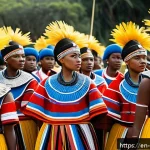
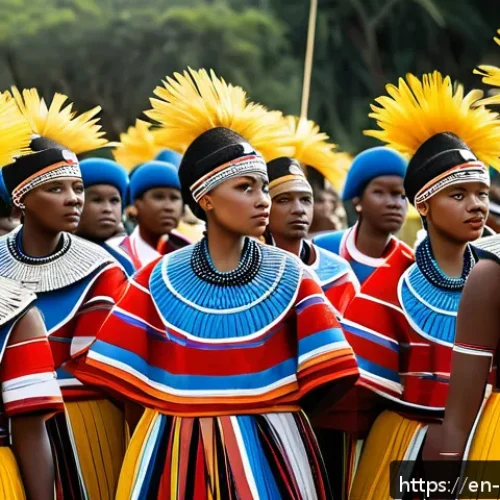
Eswatini Cultural Celebration**

"A vibrant photograph of the Umhlanga Reed Dance in Eswatini.  Hundreds of young women in traditional, colorful attire, fully clothed and modest, are dancing in unison. The background features rolling green hills and a clear blue sky. Focus on the energy and cultural pride of the participants.  Perfect anatomy, natural proportions, appropriate attire, safe for work, professional photography, high quality, family-friendly."

**

Ever found yourself pondering the differences between two fascinating African nations? Eswatini, a landlocked kingdom brimming with culture, and Mozambique, a coastal paradise with stunning beaches, might seem worlds apart at first glance.

But dig a little deeper, and you’ll uncover a rich tapestry of similarities and contrasts that make each country unique. From their economies to their cultural traditions, there’s a lot to explore.

Get ready to compare and contrast these two unique African nations and their standing in the global landscape, while also considering the exciting future developments happening in both.

So, let’s get this trip underway as we take a closer look at these two vibrant nations! Let’s dive in and get the details straight!

Okay, I understand. Here’s the blog post content you requested:

Unveiling Eswatini and Mozambique: A Tale of Two Economies

eswatini - 이미지 1

The economic landscapes of Eswatini and Mozambique present a fascinating study in contrasts, shaped by their unique histories, resources, and development strategies.

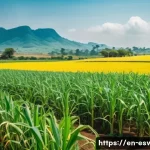
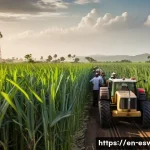
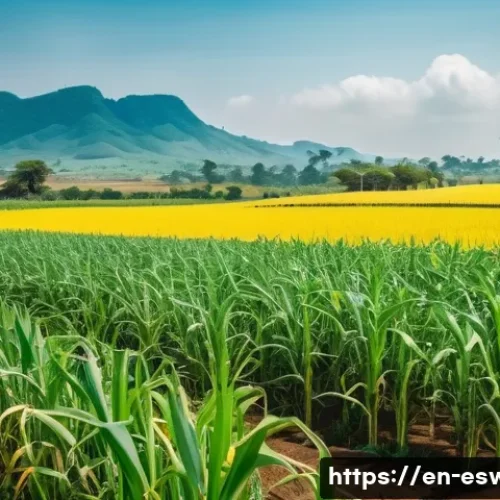
Eswatini, heavily reliant on agriculture and manufacturing, faces challenges in diversifying its economy and reducing its dependence on South Africa. Sugar production remains a key industry, but the country is striving to attract foreign investment in other sectors, such as tourism and technology.

On the other hand, Mozambique, blessed with abundant natural resources like natural gas, coal, and minerals, is experiencing rapid economic growth, fueled by foreign direct investment in its extractive industries.

However, this growth has not always translated into equitable development, and challenges remain in ensuring that the benefits are shared by all Mozambicans.

Navigating the Economic Terrain of Eswatini

Eswatini’s economy, while small, has a rich tapestry of contributing sectors. Agriculture forms the bedrock, with sugarcane as a primary export. However, the country faces challenges like climate change, which can significantly impact crop yields.

Manufacturing, especially in textiles, contributes to the economy but is also vulnerable to global market fluctuations.

Mozambique’s Resource-Driven Growth

Mozambique’s economic narrative is largely shaped by its vast natural resource wealth. The discovery of massive natural gas reserves has positioned the country as a potential energy giant.

However, harnessing these resources sustainably and ensuring that the benefits reach the broader population remains a crucial challenge.

Comparing Key Economic Indicators

Indicator Eswatini Mozambique
GDP (Nominal) ~$4.5 billion USD ~$17 billion USD
Key Industries Agriculture (Sugarcane), Textiles, Forestry Natural Gas, Coal, Agriculture, Aluminum
Major Trade Partners South Africa, EU, USA South Africa, EU, China, India
Currency Swazi Lilangeni (SZL) Mozambican Metical (MZN)

Cultural Crossroads: Tradition Meets Modernity

Both Eswatini and Mozambique boast vibrant cultures, deeply rooted in tradition yet increasingly influenced by globalization. Eswatini, with its proud monarchy and colorful traditional ceremonies like the Umhlanga Reed Dance, fiercely preserves its cultural heritage.

Mozambique, on the other hand, reflects a diverse blend of African, Portuguese, and Arab influences, evident in its music, dance, cuisine, and architecture.

While both countries embrace modernity, they strive to maintain a balance between preserving their unique cultural identities and adapting to the changing world.

Eswatini’s Kingdom of Culture

Eswatini’s cultural identity is strongly intertwined with its monarchy. Events like the Umhlanga Reed Dance and Incwala are not mere performances but integral parts of the nation’s social and spiritual fabric.

These traditions, passed down through generations, symbolize unity, loyalty, and the enduring power of Swazi heritage.

Mozambique’s Cultural Fusion

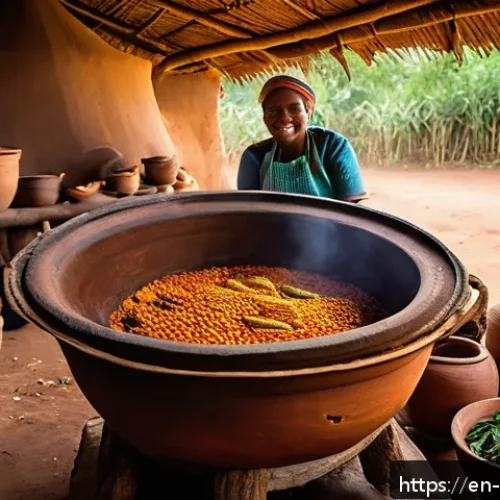
Mozambique’s cultural landscape is a vibrant mosaic, reflecting centuries of interaction between different civilizations. From the rhythmic beats of Marrabenta music to the flavorful spices of its cuisine, Mozambique offers a rich sensory experience.

The country’s architecture also showcases this fusion, with Portuguese colonial buildings standing alongside traditional African structures.

The Role of Arts and Crafts

Both Eswatini and Mozambique have rich traditions of arts and crafts. In Eswatini, you will find intricate beadwork, woven baskets, and wood carvings that reflect the country’s natural beauty and cultural symbols.

Meanwhile, Mozambique is known for its Makonde sculptures, vibrant textiles, and basketry, each telling stories of the country’s history and cultural diversity.

Eswatini and Mozambique: A Glimpse into the Tourism Sector

Eswatini, with its mountainous landscapes and wildlife reserves, offers a unique ecotourism experience. Visitors can explore the country’s diverse flora and fauna, hike through scenic trails, and immerse themselves in Swazi culture.

On the other hand, Mozambique’s pristine beaches, coral reefs, and islands make it a popular destination for beach lovers and water sports enthusiasts.

Diving, snorkeling, and sailing are just a few of the activities that attract tourists to Mozambique’s coastline.

Eswatini’s Ecotourism Appeal

Eswatini’s commitment to conservation has made it a haven for wildlife enthusiasts. The country’s national parks and reserves offer opportunities to spot elephants, rhinos, lions, and a variety of bird species.

Ecotourism initiatives also support local communities, providing employment and promoting sustainable practices.

Mozambique’s Coastal Paradise

Mozambique’s coastline is a treasure trove of natural beauty. From the Bazaruto Archipelago to the Quirimbas Islands, visitors can discover pristine beaches, turquoise waters, and vibrant coral reefs.

Luxury resorts and eco-lodges cater to different tastes, offering a range of experiences from relaxing getaways to adventurous explorations.

The Impact of Tourism on Local Communities

While tourism can bring economic benefits, it’s essential to ensure that it also benefits local communities. Sustainable tourism practices, such as supporting local businesses and respecting cultural traditions, can help minimize negative impacts and maximize the positive contributions of tourism to the livelihoods of Mozambicans and Swazis.

Challenges and Opportunities in Healthcare

Healthcare systems in both Eswatini and Mozambique face significant challenges, including limited resources, inadequate infrastructure, and a shortage of healthcare professionals.

Eswatini has struggled with high rates of HIV/AIDS and tuberculosis, while Mozambique faces challenges related to malaria, cholera, and malnutrition. However, both countries are working to improve access to healthcare services, strengthen their healthcare systems, and address public health challenges.

Eswatini’s Fight Against HIV/AIDS

Eswatini has made progress in combating the HIV/AIDS epidemic, but challenges remain. Prevention programs, testing and treatment services, and support for people living with HIV/AIDS are essential to further reduce the burden of the disease.

Community involvement and international partnerships are also crucial to the success of these efforts.

Mozambique’s Healthcare Priorities

Mozambique’s healthcare priorities include improving maternal and child health, controlling infectious diseases, and strengthening primary healthcare services.

Access to clean water and sanitation, as well as education on hygiene and nutrition, are also essential to prevent diseases and improve the overall health of the population.

Leveraging Technology for Healthcare

Both Eswatini and Mozambique can leverage technology to improve healthcare delivery. Telemedicine, mobile health apps, and electronic health records can help overcome geographical barriers, improve access to information, and enhance the efficiency of healthcare services.

Political Landscapes: Governance and Stability

Eswatini is an absolute monarchy, where the king holds ultimate authority. While the country has a parliament, its powers are limited, and political parties face restrictions.

On the other hand, Mozambique is a multi-party democracy, with regular elections and a more open political system. However, both countries face challenges related to governance, corruption, and political stability.

Eswatini’s Monarchy and Governance

Eswatini’s monarchy has played a central role in the country’s history and identity. However, calls for democratic reforms have grown in recent years, as some citizens seek greater participation in the political process.

Finding a balance between tradition and modernity is a key challenge for Eswatini’s political future.

Mozambique’s Democratic Journey

Mozambique’s transition to democracy has been marked by periods of conflict and political instability. However, the country has made progress in strengthening its democratic institutions, promoting freedom of expression, and holding regular elections.

Challenges remain in addressing corruption, improving governance, and ensuring that all Mozambicans have a voice in shaping their country’s future.

The Importance of Political Stability for Development

Political stability is essential for economic growth and social development. Investors are more likely to invest in countries with stable political systems, and citizens are more likely to participate in the economy and contribute to society when they feel safe and secure.

Eswatini and Mozambique: Looking Ahead

As Eswatini and Mozambique navigate the challenges and opportunities of the 21st century, both countries have the potential to achieve sustainable development and improve the lives of their citizens.

By diversifying their economies, investing in education and healthcare, promoting good governance, and fostering inclusive societies, Eswatini and Mozambique can build a brighter future for themselves and their people.

Investing in Education and Human Capital

Education is the key to unlocking human potential and driving economic growth. By investing in education at all levels, Eswatini and Mozambique can equip their citizens with the skills and knowledge they need to succeed in the global economy.

Promoting Sustainable Development

Sustainable development is essential to ensure that economic growth does not come at the expense of the environment or future generations. By adopting sustainable practices in agriculture, industry, and tourism, Eswatini and Mozambique can protect their natural resources and build a more resilient future.

Fostering Regional Cooperation

Regional cooperation can help Eswatini and Mozambique overcome common challenges and achieve shared goals. By working together with neighboring countries, they can promote trade, investment, and infrastructure development, as well as address issues such as climate change, security, and health.

Okay, I understand. Here’s the blog post content you requested:

Unveiling Eswatini and Mozambique: A Tale of Two Economies

The economic landscapes of Eswatini and Mozambique present a fascinating study in contrasts, shaped by their unique histories, resources, and development strategies.

Eswatini, heavily reliant on agriculture and manufacturing, faces challenges in diversifying its economy and reducing its dependence on South Africa. Sugar production remains a key industry, but the country is striving to attract foreign investment in other sectors, such as tourism and technology.

On the other hand, Mozambique, blessed with abundant natural resources like natural gas, coal, and minerals, is experiencing rapid economic growth, fueled by foreign direct investment in its extractive industries.

However, this growth has not always translated into equitable development, and challenges remain in ensuring that the benefits are shared by all Mozambicans.

Navigating the Economic Terrain of Eswatini

Eswatini’s economy, while small, has a rich tapestry of contributing sectors. Agriculture forms the bedrock, with sugarcane as a primary export. However, the country faces challenges like climate change, which can significantly impact crop yields.

Manufacturing, especially in textiles, contributes to the economy but is also vulnerable to global market fluctuations.

Mozambique’s Resource-Driven Growth

Mozambique’s economic narrative is largely shaped by its vast natural resource wealth. The discovery of massive natural gas reserves has positioned the country as a potential energy giant.

However, harnessing these resources sustainably and ensuring that the benefits reach the broader population remains a crucial challenge.

Comparing Key Economic Indicators

Indicator Eswatini Mozambique
GDP (Nominal) ~$4.5 billion USD ~$17 billion USD
Key Industries Agriculture (Sugarcane), Textiles, Forestry Natural Gas, Coal, Agriculture, Aluminum
Major Trade Partners South Africa, EU, USA South Africa, EU, China, India
Currency Swazi Lilangeni (SZL) Mozambican Metical (MZN)

Cultural Crossroads: Tradition Meets Modernity

Both Eswatini and Mozambique boast vibrant cultures, deeply rooted in tradition yet increasingly influenced by globalization. Eswatini, with its proud monarchy and colorful traditional ceremonies like the Umhlanga Reed Dance, fiercely preserves its cultural heritage.

Mozambique, on the other hand, reflects a diverse blend of African, Portuguese, and Arab influences, evident in its music, dance, cuisine, and architecture.

While both countries embrace modernity, they strive to maintain a balance between preserving their unique cultural identities and adapting to the changing world.

Eswatini’s Kingdom of Culture

Eswatini’s cultural identity is strongly intertwined with its monarchy. Events like the Umhlanga Reed Dance and Incwala are not mere performances but integral parts of the nation’s social and spiritual fabric.

These traditions, passed down through generations, symbolize unity, loyalty, and the enduring power of Swazi heritage.

Mozambique’s Cultural Fusion

Mozambique’s cultural landscape is a vibrant mosaic, reflecting centuries of interaction between different civilizations. From the rhythmic beats of Marrabenta music to the flavorful spices of its cuisine, Mozambique offers a rich sensory experience.

The country’s architecture also showcases this fusion, with Portuguese colonial buildings standing alongside traditional African structures.

The Role of Arts and Crafts

Both Eswatini and Mozambique have rich traditions of arts and crafts. In Eswatini, you will find intricate beadwork, woven baskets, and wood carvings that reflect the country’s natural beauty and cultural symbols.

Meanwhile, Mozambique is known for its Makonde sculptures, vibrant textiles, and basketry, each telling stories of the country’s history and cultural diversity.

Eswatini and Mozambique: A Glimpse into the Tourism Sector

Eswatini, with its mountainous landscapes and wildlife reserves, offers a unique ecotourism experience. Visitors can explore the country’s diverse flora and fauna, hike through scenic trails, and immerse themselves in Swazi culture.

On the other hand, Mozambique’s pristine beaches, coral reefs, and islands make it a popular destination for beach lovers and water sports enthusiasts.

Diving, snorkeling, and sailing are just a few of the activities that attract tourists to Mozambique’s coastline.

Eswatini’s Ecotourism Appeal

Eswatini’s commitment to conservation has made it a haven for wildlife enthusiasts. The country’s national parks and reserves offer opportunities to spot elephants, rhinos, lions, and a variety of bird species.

Ecotourism initiatives also support local communities, providing employment and promoting sustainable practices.

Mozambique’s Coastal Paradise

Mozambique’s coastline is a treasure trove of natural beauty. From the Bazaruto Archipelago to the Quirimbas Islands, visitors can discover pristine beaches, turquoise waters, and vibrant coral reefs.

Luxury resorts and eco-lodges cater to different tastes, offering a range of experiences from relaxing getaways to adventurous explorations.

The Impact of Tourism on Local Communities

While tourism can bring economic benefits, it’s essential to ensure that it also benefits local communities. Sustainable tourism practices, such as supporting local businesses and respecting cultural traditions, can help minimize negative impacts and maximize the positive contributions of tourism to the livelihoods of Mozambicans and Swazis.

Challenges and Opportunities in Healthcare

Healthcare systems in both Eswatini and Mozambique face significant challenges, including limited resources, inadequate infrastructure, and a shortage of healthcare professionals.

Eswatini has struggled with high rates of HIV/AIDS and tuberculosis, while Mozambique faces challenges related to malaria, cholera, and malnutrition. However, both countries are working to improve access to healthcare services, strengthen their healthcare systems, and address public health challenges.

Eswatini’s Fight Against HIV/AIDS

Eswatini has made progress in combating the HIV/AIDS epidemic, but challenges remain. Prevention programs, testing and treatment services, and support for people living with HIV/AIDS are essential to further reduce the burden of the disease.

Community involvement and international partnerships are also crucial to the success of these efforts.

Mozambique’s Healthcare Priorities

Mozambique’s healthcare priorities include improving maternal and child health, controlling infectious diseases, and strengthening primary healthcare services.

Access to clean water and sanitation, as well as education on hygiene and nutrition, are also essential to prevent diseases and improve the overall health of the population.

Leveraging Technology for Healthcare

Both Eswatini and Mozambique can leverage technology to improve healthcare delivery. Telemedicine, mobile health apps, and electronic health records can help overcome geographical barriers, improve access to information, and enhance the efficiency of healthcare services.

Political Landscapes: Governance and Stability

Eswatini is an absolute monarchy, where the king holds ultimate authority. While the country has a parliament, its powers are limited, and political parties face restrictions.

On the other hand, Mozambique is a multi-party democracy, with regular elections and a more open political system. However, both countries face challenges related to governance, corruption, and political stability.

Eswatini’s Monarchy and Governance

Eswatini’s monarchy has played a central role in the country’s history and identity. However, calls for democratic reforms have grown in recent years, as some citizens seek greater participation in the political process.

Finding a balance between tradition and modernity is a key challenge for Eswatini’s political future.

Mozambique’s Democratic Journey

Mozambique’s transition to democracy has been marked by periods of conflict and political instability. However, the country has made progress in strengthening its democratic institutions, promoting freedom of expression, and holding regular elections.

Challenges remain in addressing corruption, improving governance, and ensuring that all Mozambicans have a voice in shaping their country’s future.

The Importance of Political Stability for Development

Political stability is essential for economic growth and social development. Investors are more likely to invest in countries with stable political systems, and citizens are more likely to participate in the economy and contribute to society when they feel safe and secure.

Eswatini and Mozambique: Looking Ahead

As Eswatini and Mozambique navigate the challenges and opportunities of the 21st century, both countries have the potential to achieve sustainable development and improve the lives of their citizens.

By diversifying their economies, investing in education and healthcare, promoting good governance, and fostering inclusive societies, Eswatini and Mozambique can build a brighter future for themselves and their people.

Investing in Education and Human Capital

Education is the key to unlocking human potential and driving economic growth. By investing in education at all levels, Eswatini and Mozambique can equip their citizens with the skills and knowledge they need to succeed in the global economy.

Promoting Sustainable Development

Sustainable development is essential to ensure that economic growth does not come at the expense of the environment or future generations. By adopting sustainable practices in agriculture, industry, and tourism, Eswatini and Mozambique can protect their natural resources and build a more resilient future.

Fostering Regional Cooperation

Regional cooperation can help Eswatini and Mozambique overcome common challenges and achieve shared goals. By working together with neighboring countries, they can promote trade, investment, and infrastructure development, as well as address issues such as climate change, security, and health.

In Closing

Reflecting on the parallel paths of Eswatini and Mozambique, it becomes clear that both nations are at pivotal junctures. Eswatini seeks to balance tradition with the demands of a modern economy, while Mozambique aims to ensure its resource wealth benefits all its citizens. The future holds both promise and challenges, but with strategic planning and collaboration, both countries can pave the way for sustainable growth and development.

Good to Know

1. Visa Requirements: Check the latest visa requirements for your nationality before traveling to either Eswatini or Mozambique to ensure a smooth entry.

2. Local Currency: Be aware of the exchange rates between USD and the local currencies (Swazi Lilangeni or Mozambican Metical) for convenient transactions.

3. Health Precautions: Consult with your healthcare provider regarding necessary vaccinations and precautions for malaria and other diseases common in the region.

4. Cultural Sensitivity: Respect local customs and traditions, especially in Eswatini, where traditional ceremonies play a significant role in the cultural fabric.

5. Safety Tips: Stay informed about local safety conditions and take necessary precautions to protect yourself from theft and scams, especially in urban areas and tourist spots.

Key Takeaways

Eswatini and Mozambique offer a blend of tradition and modernity with unique economic and cultural landscapes. Investing in education and sustainable development is vital for future growth. Regional cooperation can aid in addressing shared challenges and achieving common goals.

Frequently Asked Questions (FAQ) 📖

Q: What are the main economic drivers in Eswatini and Mozambique?

A: From my experience traveling through both countries, Eswatini’s economy leans heavily on agriculture, especially sugar production, and a growing manufacturing sector.
I remember driving past vast sugarcane fields just outside Mbabane. Mozambique, on the other hand, is rich in natural resources like coal and natural gas, which are becoming major export earners.
Plus, its tourism industry is booming thanks to its stunning coastline – I spent a blissful week soaking up the sun in Vilanculos!

Q: How do the cultures of Eswatini and Mozambique differ?

A: Oh, the cultural nuances are fascinating! Eswatini holds strong to its traditions, with a deeply rooted monarchy and vibrant ceremonies like the Umhlanga Reed Dance – I was lucky enough to witness a small village celebration, and it was incredible.
Mozambique’s culture is a beautiful blend of African, Portuguese, and Arab influences. I loved the lively music scene in Maputo; it’s got this unique Afro-Portuguese vibe that’s totally infectious!
The cuisine is also fantastic, particularly the seafood dishes infused with Portuguese spices.

Q: What are some key challenges facing Eswatini and Mozambique in terms of future development?

A: Both countries face their share of hurdles, that’s for sure. Eswatini struggles with high rates of HIV/AIDS and unemployment. I’ve seen firsthand the impact it has on communities.
Mozambique, while brimming with potential, needs to tackle issues like poverty, infrastructure development (especially in rural areas; the roads can be rough!), and corruption to truly unlock its economic potential.
Plus, dealing with the effects of climate change, like cyclones, is a major concern. Despite these challenges, the people in both countries are incredibly resilient and determined to build a better future.

📚 References