When we talk about popular travel destinations for South Koreans, places like bustling Tokyo, the serene beaches of Southeast Asia, or the historical grandeur of Europe often spring to mind.
But what about the enchanting, often-overlooked Kingdom of Eswatini, a jewel nestled in Southern Africa? It’s a question I’ve found myself pondering more and more: what’s the actual footprint of Korean travelers in this vibrant nation?
From my own observations and a deep dive into recent global travel analytics, there’s a subtle yet utterly fascinating shift occurring. While certainly not a mass market destination for Koreans, the allure of Eswatini’s rich cultural tapestry, breathtaking wildlife, and authentic local experiences seems to be slowly captivating a more adventurous and discerning segment of Korean globetrotters.
This isn’t about chasing the biggest crowds, but rather a growing curiosity for truly unique, off-the-beaten-path journeys, a trend that’s becoming increasingly visible post-pandemic as travelers seek deeper, more meaningful connections with new places.
It genuinely challenges our preconceived notions of where people choose to explore next, hinting at a future where diverse, niche destinations like Eswatini will gain quiet traction.
Let’s delve deeper into exactly how this unique travel pattern is unfolding.
Understanding Eswatini’s Unique Appeal for Discerning Travelers
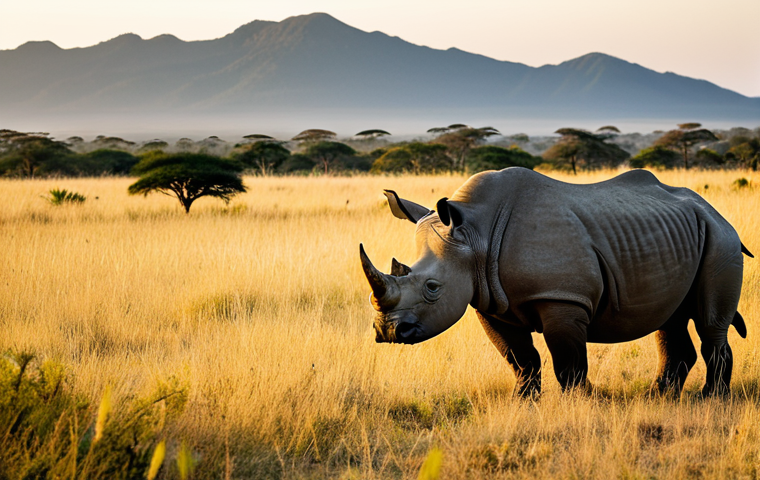
Stepping into Eswatini, or Swaziland as it was formerly known, is like uncovering a hidden gem, a feeling I’ve cherished deeply from my first visit. It’s not just a country; it’s an entire kingdom brimming with a vibrant soul and an untouched natural beauty that truly captures your heart. Unlike the well-trodden paths of more famous African safaris, Eswatini offers an intimacy, a raw authenticity that’s becoming increasingly rare in our over-connected world. What draws in a traveler, especially one from a culture as distinct as South Korea, is precisely this unique blend of cultural preservation and accessible wilderness. I remember vividly the feeling of awe during a visit to the Hlane Royal National Park, witnessing rhinos graze peacefully at dawn—a moment so pure and unadulterated, it felt like a secret only a few were privy to. It challenges your typical travel checklist and invites you to slow down, to truly absorb the rhythm of a place where ancient traditions blend seamlessly with a gentle, progressive spirit. This isn’t just about seeing sights; it’s about feeling a profound connection to a land and its people, a connection that lingers long after you’ve left.
The Kingdom’s Rich Cultural Tapestry and Traditions
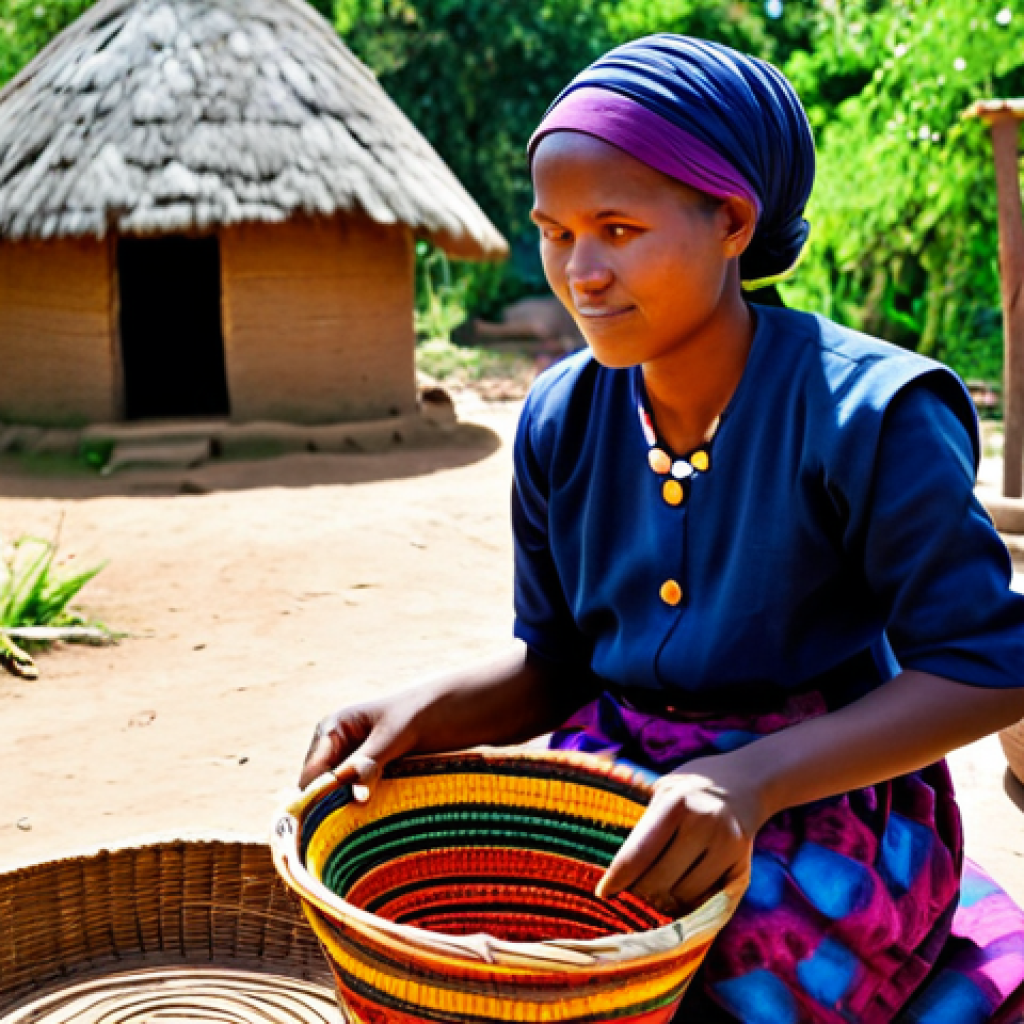
The cultural heartbeat of Eswatini is undeniable and, frankly, utterly captivating. It’s a nation that has steadfastly held onto its heritage, offering visitors an unparalleled glimpse into the living traditions of the Emaswati people. From the moment you arrive, you’re enveloped in a warmth and hospitality that feels genuinely welcoming, not performative. I’ve had the privilege of attending the Incwala Ceremony, albeit from a respectful distance, and the energy, the communal spirit, and the sheer visual spectacle of it all were simply breathtaking. It’s a powerful reminder of how deeply connected the people are to their monarchy and ancestral customs. Beyond the grand ceremonies, daily life provides countless opportunities for cultural immersion. Think about visiting a traditional village, like Mantenga Cultural Village, where you can learn about their customs, their homes, and even their intricate basket weaving. It’s not just a show; these are living, breathing traditions passed down through generations. For someone from Korea, with its own deeply rooted respect for tradition and elders, I can only imagine the resonance this profound cultural authenticity must have. It’s a chance to truly understand a way of life that celebrates community, respect, and a harmonious relationship with nature, something that often gets lost in the hustle and bustle of modern urban environments. The colorful attire, the rhythmic dances, the storytelling by the elders—it’s an sensory feast that grounds you and makes you appreciate the beauty of cultural continuity.
Breathtaking Landscapes and Diverse Wildlife Encounters
Beyond the cultural allure, Eswatini’s natural landscapes are nothing short of spectacular, offering a surprising diversity for such a compact nation. I always tell friends who are considering a trip to Africa, “Don’t overlook Eswatini!” because it offers a safari experience that’s both accessible and incredibly rewarding, often without the overwhelming crowds you might find in larger, more famous parks. Imagine driving through Malolotja Nature Reserve, feeling the crisp mountain air, and knowing you’re in one of the oldest mountain formations in the world. The sheer scale and ancient beauty of it all are humbling. Then, shift gears to the lowland bushveld, where you can track rhinos on foot in Mkhaya Game Reserve, an experience that still gives me goosebumps just thinking about it. The thrill of being so close to these magnificent creatures, with only an experienced guide by your side, is something you simply don’t forget. And it’s not just about the ‘Big Five’; Eswatini boasts an incredible array of birdlife, antelopes, and unique flora that makes every walk or drive an adventure. What I particularly appreciate is the emphasis on conservation within these parks. You can genuinely feel the dedication to protecting these precious ecosystems. This blend of stunning scenery—from highveld mountains to lowveld plains—and abundant, well-protected wildlife truly solidifies Eswatini as a must-visit for any nature lover. It’s a place where you can feel completely immersed in the wild, yet always with a sense of safety and wonder, a perfect balance for those seeking adventure without compromise.
The Evolving Profile of the Adventurous Korean Globetrotter
It’s fascinating to observe how the desires of travelers, especially those from Korea, have shifted dramatically in recent years. There was a time when the focus was squarely on well-known, Instagram-perfect destinations. But I’ve personally seen a profound change, a growing curiosity for something deeper, something truly unique and off the beaten path. This isn’t just a fleeting trend; it’s a fundamental re-evaluation of what makes a trip meaningful. The adventurous Korean globetrotter of today isn’t satisfied with merely ticking off landmarks; they’re actively seeking experiences that challenge their perceptions, broaden their horizons, and connect them with authentic local life. This pursuit of novelty and genuine cultural exchange aligns perfectly with what Eswatini offers. It’s about personal growth, about stepping out of one’s comfort zone, and about collecting stories that no one else has. I’ve noticed a particular inclination towards destinations that offer a blend of nature, culture, and a sense of discovery, places where you can truly immerse yourself rather than just observe. This isn’t about being overtly ‘brave’ or reckless; it’s a quiet confidence in exploring less-charted territories, driven by a profound desire for real, unfiltered experiences that resonate on a deeper emotional level. It’s about leaving the crowds behind and finding your own slice of authentic adventure.
Beyond the Beaten Path: A Quest for Authenticity
The craving for authenticity is arguably the strongest driver for this new wave of Korean travelers. Forget the crowded tourist traps and the perfectly curated social media feeds; what they’re truly seeking are genuine interactions and unfiltered insights into a different way of life. Eswatini, with its deeply preserved culture and less developed tourism infrastructure compared to its neighbors, provides exactly that. I recall a conversation with a young Korean couple I met in Mbabane who told me they specifically chose Eswatini because they wanted to “see real Africa, not just a safari park.” They were drawn to the idea of meeting local people, understanding their daily lives, and engaging with traditions that haven’t been commercialized. This desire manifests in choices like staying in community-run guesthouses, participating in local workshops, or even just spending time in local markets, absorbing the vibrant atmosphere. It’s about more than just taking pictures; it’s about forming memories that are rooted in genuine human connection. The concept of ‘slow travel’ also plays a significant role here, allowing travelers to spend more time in one place, truly understanding its nuances and contributing to the local economy in a meaningful way. This quest for authenticity transforms a mere vacation into a transformative journey, offering perspectives and lessons that stay with you long after you’ve returned home, enriching your worldview in profound ways.
Solo Exploration and Sustainable Tourism Initiatives
Another fascinating aspect of this evolving traveler profile is the rise of solo exploration, particularly among younger Koreans, and a growing consciousness towards sustainable tourism. There’s a palpable sense of empowerment in embarking on a journey by yourself, navigating new challenges, and discovering your own resilience. Eswatini, being relatively safe and welcoming, appeals to this independent spirit. I’ve encountered several solo Korean travelers who spoke about the freedom and introspection that comes with exploring a new country on their own terms. Furthermore, the focus on sustainable and responsible tourism is no longer a niche concern but a significant factor in destination choice. Travelers are increasingly aware of their environmental footprint and the social impact of their visits. Eswatini’s commitment to community-based tourism and conservation efforts resonates deeply with these values. Many lodges and tour operators in Eswatini actively involve local communities and contribute to wildlife protection, offering visitors a chance to directly support these initiatives. Choosing to stay in an eco-lodge or participating in a clean-up drive, for example, becomes part of the travel experience itself. This mindful approach to travel, where exploration goes hand-in-hand with making a positive difference, marks a significant shift, showcasing a desire not just to see the world, but to engage with it responsibly and leave it better than they found it. It’s truly heartening to see this evolving consciousness in action.
Logistical Considerations and Accessibility for International Visitors
When you’re planning a trip to a destination like Eswatini, which might not be on every typical travel itinerary, one of the first things that comes to mind, understandably, is the practical side: “How do I even get there? Is it complicated?” I totally get that. I’ve been through the planning stages for countless trips, and the logistics can sometimes feel overwhelming. However, I can confidently say that getting to and around Eswatini is far more straightforward than many might assume. While it might not have direct flights from every corner of the globe, its strategic location, nestled between South Africa and Mozambique, makes it surprisingly accessible for those willing to make a connection. This accessibility is a key factor in its quiet but growing appeal. You’re looking at a journey that might involve a bit more planning than a direct flight to a major hub, but the reward of reaching such a unique destination is absolutely worth the extra effort. Moreover, once you’re on the ground, the country’s compact size and relatively well-maintained road network make internal travel quite manageable, whether you opt for self-drive or organized transfers. It’s a journey that adds to the adventure, rather than detracting from it.
Navigating Visa Requirements and Entry Points
Understanding visa requirements is always step one, and for Eswatini, it’s generally quite manageable for most international visitors, including South Koreans. While specific regulations can change, typically, South Korean citizens might need to apply for a visa in advance, or in some cases, it can be obtained upon arrival, depending on the current agreements. It’s always, always best to check the latest information with the Eswatini embassy or consulate in your country, or their official immigration website, well before your planned departure. From personal experience, a little bit of pre-planning goes a long way in avoiding any last-minute stress at the border. The main entry point for international travelers arriving by air is King Mswati III International Airport (KMIII), a modern and efficient facility that provides a smooth welcome. If you’re coming by land, which many do, there are several well-established border posts with South Africa, such as Ngwenya/Oshoek or Lavumisa/Golela, each with its own operating hours. My advice? Have all your documentation ready – passport, visa (if required), accommodation details, and onward travel plans. The border officials are generally friendly and efficient, but being prepared makes the process quick and seamless, allowing you to get straight into enjoying the beauty of the kingdom.
Accommodation Choices: From Safari Lodges to Cultural Villages
One of the delightful surprises about Eswatini is the diversity of its accommodation options, catering to a wide range of preferences and budgets. You might envision only rustic safari camps, but the reality is far richer. For those seeking luxury and immersive wildlife experiences, there are exquisite safari lodges nestled within private game reserves, offering opulent suites and guided game drives. I’ve stayed in some truly stunning spots where the sounds of the bush lull you to sleep, and waking up to the sight of impalas grazing just outside your window feels utterly magical. But it’s not all about high-end safari. You’ll find charming guesthouses and boutique hotels in towns like Mbabane and Ezulwini Valley, offering comfortable stays with excellent local hospitality. For the more adventurous or culturally curious, there are also community-run campsites and traditional beehive huts in cultural villages, providing a truly authentic and immersive experience. Imagine spending a night in a traditional Swazi hut, listening to the sounds of the village, and waking up to participate in a local activity. It’s an unforgettable way to connect with the local culture on a deeper level. Whether you’re a budget traveler, a family, or someone seeking an exclusive retreat, Eswatini genuinely has something to offer, ensuring your stay is as comfortable and enriching as possible.
Experiential Itineraries: What a Week in Eswatini Could Look Like
When I think about a perfect week-long itinerary in Eswatini, my mind immediately jumps to a blend of exhilarating wildlife encounters, deep cultural immersion, and moments of tranquil natural beauty. This isn’t a country where you rush from one landmark to another; it’s a place designed for soaking in experiences. I often recommend that travelers allow themselves at least five to seven days to truly appreciate the breadth of what Eswatini offers. From tracking majestic rhinos to witnessing vibrant traditional dances, every day unfolds with new discoveries. My own experiences there have taught me that the best way to approach Eswatini is with an open heart and a willingness to simply be present. You might start your day with the mist rising over a national park, embark on a walking safari, and end it with a delicious traditional meal under a blanket of stars. It’s a journey that constantly engages your senses and leaves you feeling profoundly connected to the African continent. This type of experiential travel, where the focus is on doing rather than just seeing, is precisely what makes Eswatini such a compelling destination, especially for those who are looking to move beyond conventional tourism and embrace a more meaningful adventure.
Wildlife Safaris and Conservation Efforts
Eswatini’s commitment to wildlife conservation is truly commendable, and it allows for some incredibly unique and up-close safari experiences. Unlike the sometimes crowded game reserves in other parts of Africa, Eswatini offers a more intimate and personal encounter with its diverse fauna. I’ve had the most incredible walking safaris in places like Mkhaya Game Reserve, where you can actually get out of the vehicle and track rhinos on foot alongside experienced rangers. The thrill of being so close to these magnificent animals, feeling the earth beneath your feet, is something an open-top vehicle simply can’t replicate. It’s an adrenaline rush combined with a profound respect for nature. Hlane Royal National Park is another highlight, famous for its lion prides and large elephant population, and it provides an authentic drive-in safari experience. What struck me most was not just the abundance of wildlife, but the visible dedication to their protection. Many of these parks are sanctuaries first and tourist attractions second, meaning your visit directly contributes to critical conservation work. This aspect resonates strongly with travelers who are conscious about supporting ethical tourism. It’s not just a sightseeing trip; it’s an opportunity to witness conservation in action and to appreciate the fragile balance of these ecosystems, making the experience all the more meaningful and impactful.
Immersive Cultural Engagements and Local Markets
While the wildlife is undoubtedly a draw, Eswatini’s cultural richness is what truly distinguishes it. I always encourage visitors to dedicate significant time to engaging with the local culture, as it’s an experience unlike any other. The Mantenga Cultural Village is an excellent starting point, offering a recreated traditional Swazi village where you can learn about their customs, architecture, and even witness traditional dances and songs. The energy of these performances is infectious, and you can’t help but feel a part of something ancient and beautiful. Beyond the structured cultural experiences, simply spending time in local markets like the Mbabane Market offers a vibrant insight into daily life. The kaleidoscope of colors, the aroma of local spices, and the friendly banter of the vendors create an atmosphere that’s truly invigorating. I love browsing for hand-woven baskets, intricate carvings, and local fabrics—each piece telling a story. Don’t be shy about striking up a conversation; the Emaswati people are genuinely warm and eager to share their culture. Participating in a local cooking class, perhaps learning to make siswati bread or a traditional stew, can also be an incredibly rewarding experience. These interactions transform a trip from a superficial observation to a deep, personal connection with the heart and soul of the kingdom. It’s these authentic moments that truly make your Eswatini journey unforgettable, forging memories that are steeped in genuine human connection and shared smiles.
| Aspect of Travel | Conventional Destinations (e.g., Tokyo, Paris) | Eswatini (Niche/Authentic) |
|---|---|---|
| Primary Focus | Landmarks, Shopping, Cuisine, Urban Exploration | Nature, Wildlife, Cultural Immersion, Authentic Experiences |
| Crowd Levels | High, especially at popular sites | Low to moderate, more intimate experiences |
| Travel Style | Fast-paced, sightseeing, structured tours | Slow-paced, experiential, self-discovery |
| Cultural Engagement | Often observational, tourist-oriented | Deeply immersive, community-based, personal interaction |
| Typical Visitor Profile | Mass tourists, first-time international travelers | Adventurous, discerning, seeking unique, ethical experiences |
| Perceived Value | Convenience, established infrastructure | Authenticity, exclusivity, transformative experiences |
Overcoming Perceptions: Eswatini’s Safety and Hospitality
One of the most common questions I get when I talk about Eswatini is about safety. It’s a natural concern, especially when considering a destination that might not have the same widespread media coverage as more popular tourist spots. From my personal experience and extensive research, I can unequivocally state that Eswatini is a remarkably safe and welcoming country for tourists. The Emaswati people are known for their warmth, politeness, and genuine hospitality, which you feel from the moment you cross the border. It’s a palpable sense of peace that permeates the kingdom, a stark contrast to some of the sensationalized narratives that sometimes emerge about African travel. Of course, like any destination in the world, it’s wise to exercise common sense precautions – be aware of your surroundings, avoid walking alone in unlit areas at night, and keep valuables secure. But these are universal travel tips, not specific warnings unique to Eswatini. The local authorities are committed to ensuring the safety of visitors, and the relatively low crime rate, especially against tourists, is a testament to this. It’s a place where you can genuinely relax and immerse yourself without constantly looking over your shoulder, allowing the true magic of the kingdom to unfold before you. This sense of security significantly enhances the overall travel experience, letting you truly connect with the environment and its people without undue worry, making every moment more enjoyable and memorable.
Personal Safety Tips and Local Etiquette
While Eswatini is generally safe, a few simple precautions and an understanding of local etiquette can enhance your trip significantly. First, always carry a copy of your passport and visa, keeping the originals in a secure place. It’s also wise to inform your embassy or consulate of your travel plans. When out and about, especially in urban areas or busy markets, be mindful of your belongings, much as you would in any city worldwide. Avoid displaying large sums of cash or expensive electronics overtly. I always recommend having a small amount of local currency (Eswatini Lilangeni or South African Rand, which is widely accepted) for small purchases. Taxis are generally safe, but it’s best to use reputable companies or have your accommodation arrange transport. On the cultural side, the Emaswati are a polite and respectful people. When greeting someone, a simple “Sawubona” (hello) and a smile go a long way. Dressing modestly, especially when visiting traditional villages or religious sites, is appreciated, showing respect for local customs. When offered food or drink, it’s polite to accept, even if only a small amount. Learning a few basic Siswati phrases can also open doors and create memorable interactions. These small gestures of respect and awareness demonstrate that you value their culture, and they are almost always reciprocated with even greater warmth and hospitality, making your interactions richer and more meaningful.
The Warmth of the Emaswati People
What truly sets Eswatini apart, in my humble opinion, is the incredible warmth and genuine hospitality of its people, the Emaswati. It’s not just a polite courtesy; it’s an ingrained part of their culture, a profound sense of welcoming that embraces visitors wholeheartedly. From the moment I first arrived, I was struck by their readiness to offer a friendly wave, a genuine smile, or a helpful hand. I remember once getting slightly lost on a rural road, and within minutes, a local passerby stopped, not only to give me directions but also to ensure I understood them perfectly, going above and beyond. This isn’t an isolated incident; it’s the norm. You’ll find yourself engaging in spontaneous conversations, being invited to share a laugh, or even being offered insights into their way of life. This human connection is, for me, the most invaluable part of traveling in Eswatini. There’s a tangible sense of community and respect that radiates from their interactions, not just with visitors but with each other. It fosters an environment where you feel not just safe, but truly cared for, almost like a temporary member of their extended family. This level of authentic connection is something you just can’t quantify or replicate; it’s a feeling that stays with you long after you’ve left, leaving an indelible mark on your soul and making you yearn to return. Their kindness is infectious, and it transforms a simple trip into a profound human experience.
Economic Impact and Community Benefit of Niche Tourism
It’s important, as a responsible traveler and someone who advocates for meaningful tourism, to consider the broader impact of our choices. When we opt for destinations like Eswatini, which are still developing their tourism infrastructure, we’re not just creating incredible memories for ourselves; we’re actively contributing to the local economy and empowering communities. This isn’t about massive, corporate tourism ventures; it’s often about small-scale, locally-owned businesses, individual guides, and community projects that directly benefit from visitor spending. I’ve seen firsthand how a well-placed tourism dollar can make a tangible difference, whether it’s supporting a local artisan, contributing to a community-run guesthouse, or providing employment for park rangers. This conscious choice to support niche destinations helps diversify local economies, reducing reliance on single industries and fostering sustainable growth. It’s about ensuring that the benefits of tourism are distributed more equitably, reaching those who need it most and strengthening the social fabric of the host communities. This underlying ethical dimension makes visiting Eswatini even more rewarding, knowing that your adventure contributes to a positive ripple effect far beyond your own experience, truly aligning travel with a broader sense of global citizenship and shared prosperity.
Supporting Local Economies Through Responsible Travel
The beauty of visiting a country like Eswatini lies not just in its natural wonders and cultural richness, but in the profound opportunity it presents to engage in truly responsible tourism. Every purchase, every tour booked through a local operator, and every meal enjoyed at a local restaurant directly injects money into the hands of the Emaswati people. I make a conscious effort to seek out locally-owned businesses, from the guesthouse where I stay to the craft market where I buy souvenirs. For example, buying a hand-woven basket from a local women’s cooperative not only gives you a beautiful, authentic memento but also provides a vital income stream for the artisans and their families. This direct contribution empowers communities, enabling them to invest in education, healthcare, and infrastructure. It fosters a sense of pride and ownership, ensuring that the benefits of tourism are shared broadly, rather than being siphoned off by large, international corporations. Moreover, many tourism initiatives in Eswatini are designed with community involvement at their core, meaning that your travel contributes to sustainable livelihoods and cultural preservation efforts. It’s a powerful reminder that our travel choices have a real, tangible impact, and by choosing to support local economies, we become active participants in the positive development of the communities we visit, turning a vacation into a meaningful act of solidarity and support.
Future Prospects for Tourism Growth
Looking ahead, the future prospects for tourism in Eswatini, particularly for discerning travelers like those from South Korea seeking authentic experiences, appear incredibly promising. The kingdom isn’t aiming for mass tourism; its focus is on sustainable, high-value, and culturally sensitive growth. This approach ensures that the unique charm and pristine natural environments that make Eswatini so special are preserved for generations to come. I’ve seen growing interest in niche adventure travel and cultural immersion tours, which align perfectly with Eswatini’s strengths. The government and local tourism boards are also actively investing in infrastructure improvements and marketing initiatives that target specific segments of the global market, moving beyond traditional safari-focused narratives to highlight its cultural depth and unique offerings. As more travelers seek out off-the-beaten-path destinations that offer genuine connection and a sense of discovery, Eswatini is perfectly positioned to capture this demand. The emphasis on community-based tourism and conservation will also continue to appeal to the growing number of ethically conscious travelers. It’s not just about attracting more visitors, but about attracting the right kind of visitors—those who appreciate and respect the country’s heritage and contribute positively to its future. I genuinely believe that Eswatini will continue to quietly captivate those who yearn for truly profound and enriching travel experiences, solidifying its place as a cherished gem on the African continent.
Maximizing Your Eswatini Experience: Insider Tips
Having traveled extensively, I’ve learned that the secret to truly maximizing your experience in any new destination often lies in embracing a few simple, yet profound, insider tips. For Eswatini, this means going beyond the standard tourist checklist and adopting a mindset that allows for genuine immersion and flexibility. It’s not just about what you see, but how you experience it. From practical advice on packing to understanding the nuances of local interactions, these insights can transform a good trip into an unforgettable one. I’ve often found that the most memorable moments on my travels were the unplanned ones, the spontaneous interactions, or the unexpected discoveries that arose from being open and prepared. This isn’t to say you shouldn’t plan; rather, it’s about planning with an inherent flexibility, leaving room for the unexpected magic that only travel can bring. Eswatini, with its laid-back pace and welcoming atmosphere, is perfectly suited for this kind of explorative journey. It invites you to shed your preconceived notions and truly engage with its rhythms, ensuring that every day is filled with authentic and enriching encounters. By keeping these tips in mind, you’re not just visiting Eswatini; you’re truly living it, and that makes all the difference.
Essential Packing and Health Precautions
Packing smart and being mindful of health precautions are crucial for a smooth and enjoyable trip to Eswatini. First off, think layers! The weather can vary throughout the day and depending on the region – from warm lowveld to cooler mountain areas. Lightweight, breathable clothing for daytime, and a warmer jacket or fleece for cooler evenings, especially during winter months (May-August), are essential. Don’t forget a wide-brimmed hat, sunglasses, and high SPF sunscreen, as the African sun is intense. Comfortable walking shoes are a must for safaris and exploring. For health, consult your doctor well in advance about necessary vaccinations, which may include Hepatitis A and B, Typhoid, and potentially Yellow Fever (if coming from an endemic country). Malaria is a risk in some lowland areas, particularly during the rainy season, so discuss antimalarial medication with your doctor. Always carry a basic first-aid kit with essentials like pain relievers, antiseptic wipes, band-aids, and any personal medications. Staying hydrated is key, so carry a reusable water bottle and refill it with purified or bottled water. It’s also wise to pack insect repellent, especially for evenings. Being prepared doesn’t mean being overly cautious; it simply allows you to relax and fully immerse yourself in the experience without unnecessary worries, ensuring your Eswatini adventure is as comfortable as it is captivating.
Embracing the Spirit of Adventure and Flexibility
My final, and perhaps most important, piece of advice for anyone visiting Eswatini is to truly embrace the spirit of adventure and, crucially, flexibility. This isn’t a country where every minute of your itinerary needs to be rigidly planned, nor should it be. Some of the most profound and authentic experiences I’ve had there came from unexpected detours, spontaneous conversations, or simply allowing myself to be led by curiosity. The pace of life in Eswatini is generally slower, and things might not always run exactly on schedule – and that’s perfectly okay. Learning to ‘go with the flow’ and appreciate the relaxed rhythm is part of the charm. If a local invites you to see something off the main road, or if your safari guide suggests an early morning walk because the conditions are perfect, say yes! These are the moments that truly make a trip memorable and unique. Be open to trying new foods, learning a few words of Siswati, and engaging with locals even if there’s a language barrier. The Emaswati people are incredibly warm and appreciate the effort. This sense of openness allows you to truly connect with the country on a deeper level, transforming your journey from a mere vacation into a transformative personal adventure. It’s about letting go of expectations and allowing the magic of Eswatini to unfold before you, leaving you with stories and memories that are truly your own.
Concluding Thoughts
As I reflect on my own journeys through Eswatini, a profound sense of awe and connection always washes over me. It’s truly a place that transcends the typical tourist experience, offering a rare blend of cultural depth, breathtaking wilderness, and an almost palpable sense of peace. For those of us yearning for travel that educates, inspires, and deeply connects us to a place and its people, Eswatini stands as an unparalleled gem. It’s a kingdom that invites you to slow down, to listen to its ancient rhythms, and to leave with a heart full of unforgettable stories. If you’re ready to discover Africa in a truly authentic and meaningful way, I wholeheartedly urge you to consider the warm embrace of Eswatini.
Useful Information for Your Eswatini Trip
1. Visa & Documentation: Always confirm current visa requirements for your nationality with the Eswatini embassy or consulate well before your trip. Keeping physical and digital copies of important documents like your passport, visa (if applicable), and accommodation bookings is always a good practice.
2. Currency: The local currency is the Eswatini Lilangeni (SZL), which is pegged 1:1 to the South African Rand (ZAR). The South African Rand is widely accepted throughout Eswatini, making currency exchange straightforward if you’re already in the region.
3. Best Time to Visit: The dry season (May to September) is generally considered ideal for wildlife viewing, as animals congregate around water sources and vegetation is sparser. This period also offers cooler, clearer weather. The wet season (October to April) brings lush landscapes and excellent birdwatching.
4. Getting Around: While self-driving offers incredible flexibility to explore at your own pace, especially with a 4×4 for some rural or park roads, consider guided tours or transfers for specific game reserves or if you prefer not to drive. Roads between major towns and attractions are generally well-maintained.
5. Connectivity: Mobile network coverage is surprisingly good in urban areas and within most national parks. Local SIM cards are affordable and can be purchased easily at the airport or in major towns like Mbabane, offering good value for data and calls. Wi-Fi is also readily available at most lodges and hotels.
Key Takeaways
Eswatini is an authentic and profoundly rewarding destination for discerning travelers seeking an experience beyond the conventional. It uniquely combines a deeply preserved cultural heritage with diverse, accessible wildlife and stunning natural landscapes. The country stands out for its exceptional safety and the unparalleled warmth of the Emaswati people, fostering genuine human connections. Furthermore, choosing Eswatini supports responsible and community-based tourism, ensuring your adventure contributes directly to local economies and vital conservation efforts. Embrace its slower pace and inherent flexibility, and you’ll uncover a transformative journey that resonates long after you return home.
Frequently Asked Questions (FAQ) 📖
Q: Given the traditional popularity of destinations like Tokyo or Southeast
A: sia, what specifically about Eswatini seems to be drawing this new, adventurous segment of Korean travelers? A1: You know, it’s fascinating because it really challenges what we thought Koreans were looking for in travel.
From what I’ve gathered, it’s precisely Eswatini’s unvarnished authenticity that’s the true magnet. It’s not about the glitzy resorts or the well-trodden paths; in fact, it’s the opposite.
I remember talking to a couple who just returned, and they spoke with such profound emotion about connecting with the local Swazi people, seeing genuine, unscripted smiles, and experiencing traditions firsthand that aren’t diluted for mass tourism.
It’s that raw, unfiltered cultural immersion, coupled with the sheer wonder of seeing wild animals in their natural habitat without throngs of other tourists, that seems to resonate deeply.
It truly feels like a quest for something more meaningful than just another stamp in the passport—a real story to tell, not just photos to show.
Q: You mentioned “rich cultural tapestry” and “breathtaking wildlife.” Can you elaborate on the unique experiences Korean travelers are seeking in Eswatini that differentiate it from more conventional safari or cultural destinations?
A: Absolutely, it’s certainly not your typical package tour, that’s for sure. I’ve noticed a strong pull towards experiences that feel truly immersive. Think less about just ticking off the “Big Five” from a safari vehicle and more about walking safaris where you truly feel connected to the land, or staying in a community-run lodge where your presence directly benefits local livelihoods.
One friend, an avid photographer, was utterly captivated by the traditional dances and ceremonies—not staged performances, but genuine celebrations where the vibrancy of the culture just spills out onto the dusty ground.
It’s about being a respectful observer, not just a passing tourist. And let’s not forget places like Mlilwane Wildlife Sanctuary or Hlane Royal National Park; they offer these incredible, close-up encounters with wildlife that feel incredibly intimate, often without the overwhelming crowds you sometimes find elsewhere.
It’s like stepping into a living documentary.
Q: Is this burgeoning interest in Eswatini a temporary post-pandemic phenomenon, or does it signal a more lasting shift in Korean travel preferences towards niche, unconventional destinations? How can other travelers emulate this approach?
A: That’s the million-dollar question, isn’t it? My gut feeling, backed by what I’m observing in broader travel analytics and traveler psychology, is that this isn’t just a fleeting trend.
The pandemic certainly turbocharged a desire for more profound, less commercialized travel, but I believe it’s solidified a growing segment of Koreans—and frankly, people worldwide—who prioritize genuine discovery and unique narratives over mere convenience.
They’re seeking real connection. To truly embrace this approach, I’d say ditch the rigid itineraries and embrace spontaneity. Talk to locals, venture into smaller towns, perhaps even consider volunteering for a short stint or participating in a local festival like the Umhlanga Reed Dance if the timing is right.
It’s about being open, curious, and willing to step outside your comfort zone, perhaps even planning your trip with a local guide or an ethically-minded tour operator.
It’s about traveling with the destination, not just through it.
📚 References
Wikipedia Encyclopedia
구글 검색 결과
구글 검색 결과
구글 검색 결과
구글 검색 결과
구글 검색 결과